
Last updated November 22, 2026
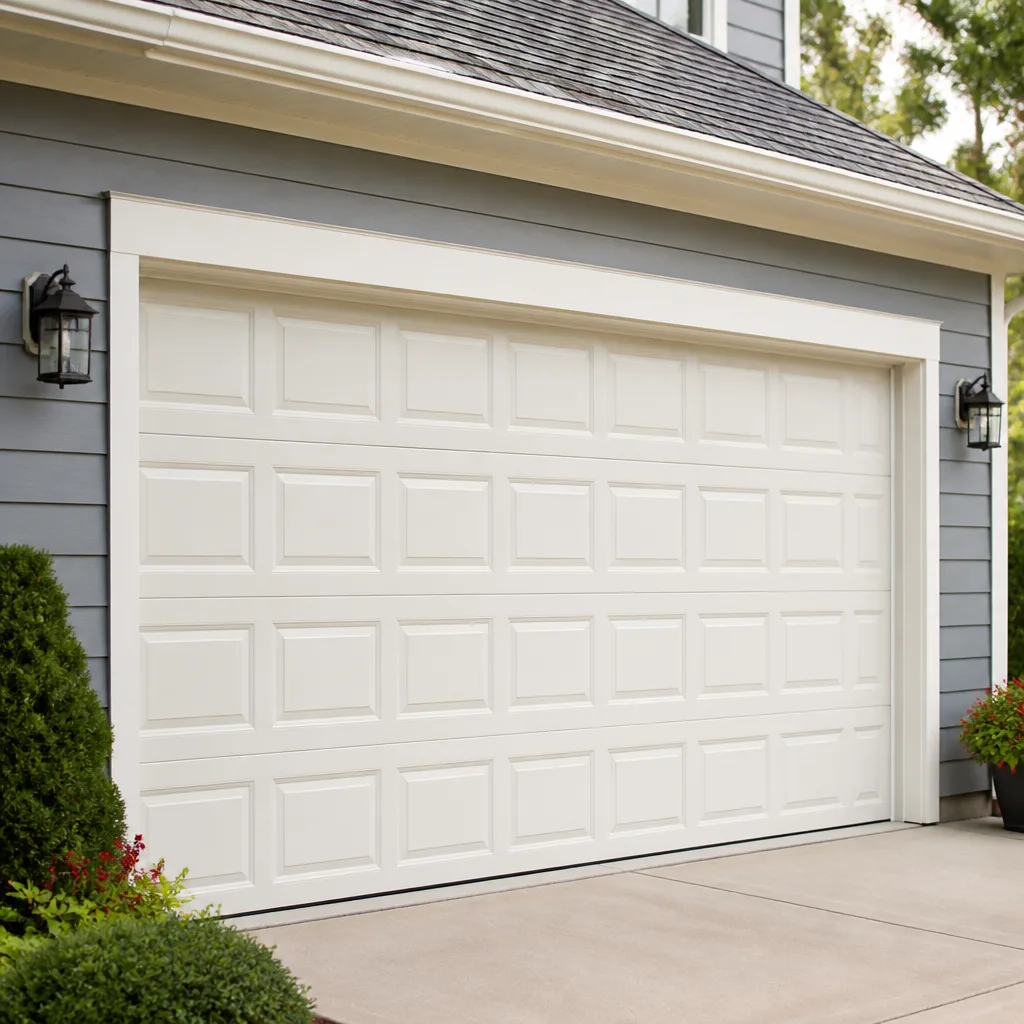 Raised-panel steel
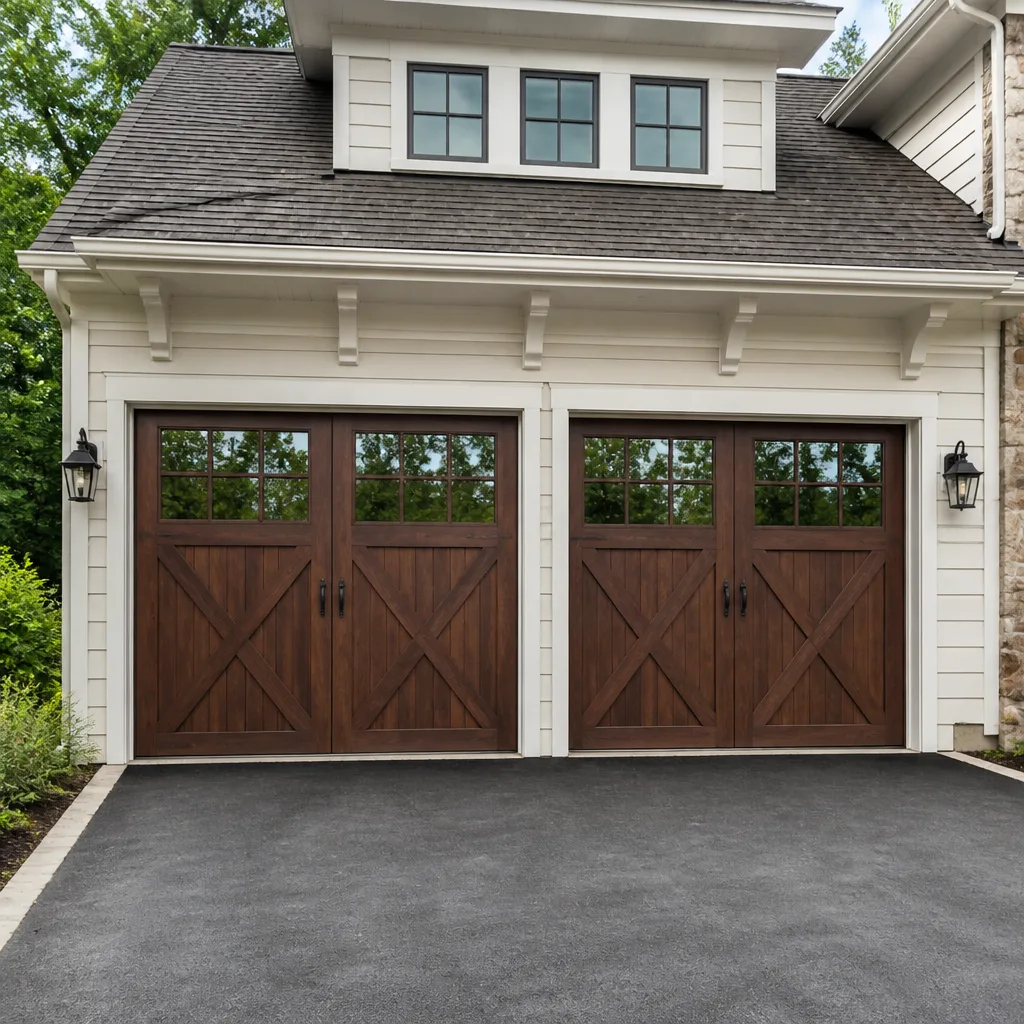 Carriage house
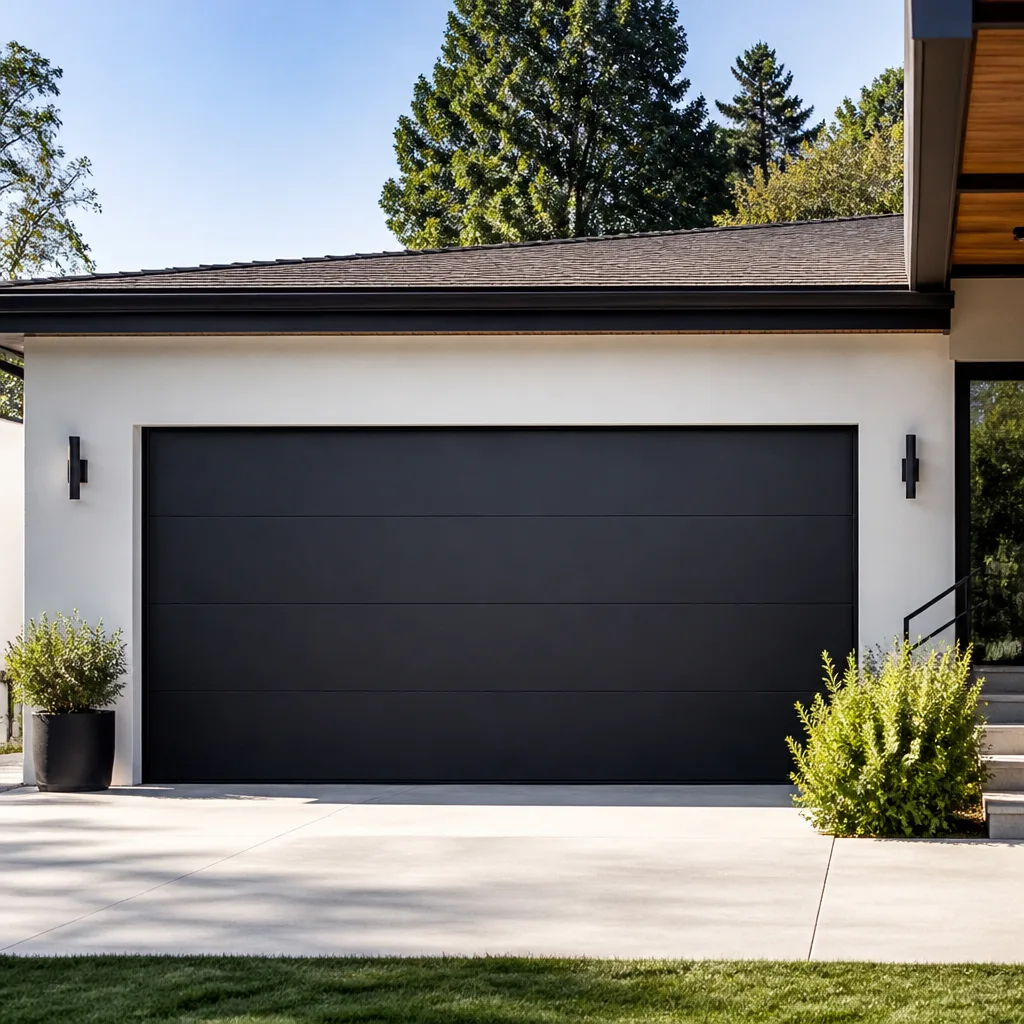 Modern flush
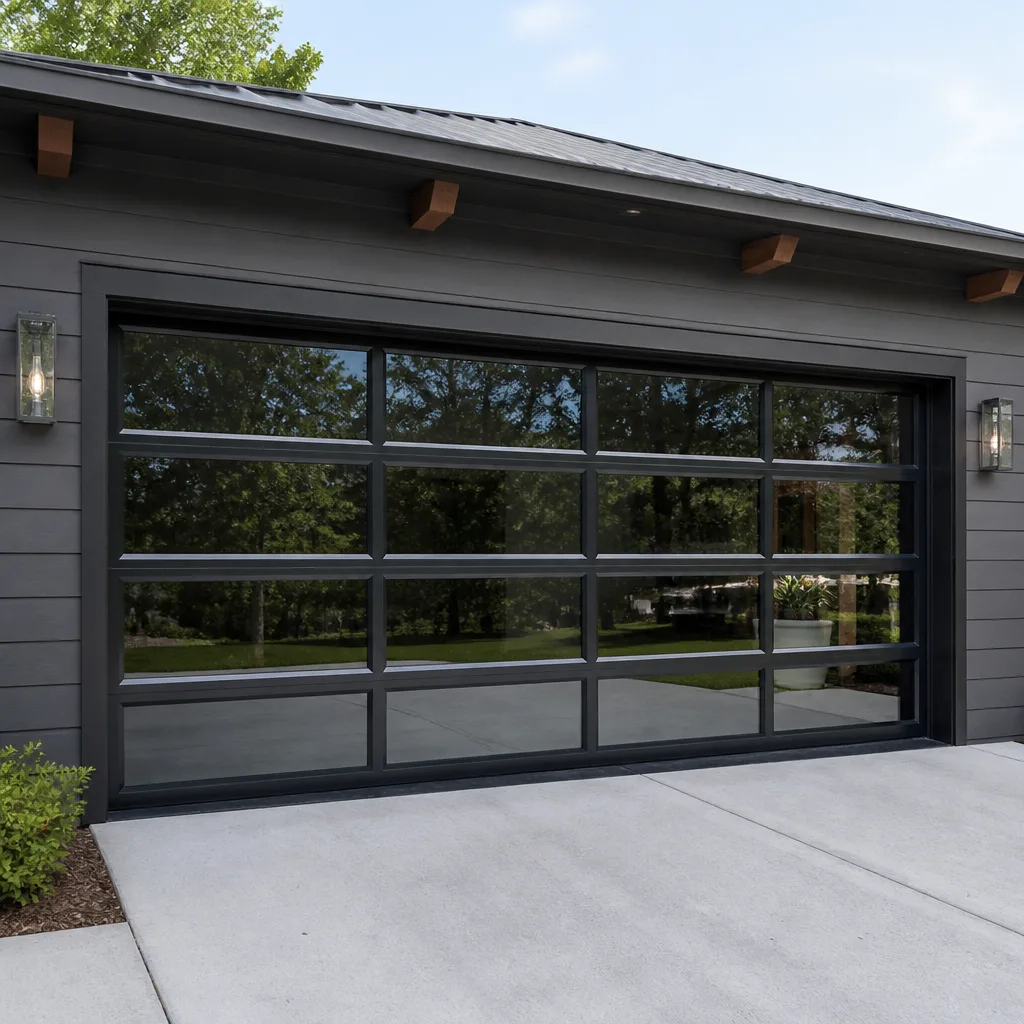 Full-view glass
 LiftMaster openers
 Chamberlain openers
Full 25-point door and opener safety check with every visit - springs, cables, rollers, tracks, and your LiftMaster or Chamberlain opener included
You get a price before we start. It does not change when the pro arrives.
Get your free estimateGarage Door Permits, Codes & Inspections in Pungo, VA: What You Need to Know
Most homeowners assume replacing a garage door is like swapping out a light fixture: buy it, install it, done. In Pungo and the surrounding Virginia Beach jurisdiction, that assumption can cost you. A garage door is a structural, wind-load-bearing, weather-sealing component of your home, and Virginia Beach regulates it more closely than many people realize. The permit piece isn’t red tape for its own sake – it’s what ties your door to your home’s certificate of occupancy, your resale file, and your insurance coverage when something goes wrong. This guide walks through exactly when a permit is required, what the fire-rating rules mean for attached garages, how wind-load requirements shape which doors you can legally install, and where HOA deed restrictions layer on top of code. We’ve seen how these details trip up buyers, sellers and renovators alike in Pungo, and we’ll lay out what actually matters before you order a door.
Quick Answer
In Virginia Beach jurisdiction, which governs Pungo, a permit is typically required when a garage door replacement involves a structural opening change, a door that must meet wind-load or fire-rating requirements, or any alteration to the header, framing or opening size. A true like-for-like replacement in an existing, code-compliant opening often does not require a permit, but you must confirm this with the city’s building department before you order. When in doubt, pull the permit – retroactive sign-off is more expensive and more stressful than doing it upfront.
Styles & brands we work with
- Raised-panel steel
- Carriage house
- Modern flush
- Full-view glass
- LiftMaster openers
- Chamberlain openers
Table of Contents
- When Does a Garage Door Replacement Need a Permit in Pungo?
- How the Permit and Inspection Process Works
- Fire-Rated Doors Between Attached Garages and Living Space
- Wind Load Requirements for Pungo Homeowners
- HOA and Deed Restrictions: The Second Set of Rules
- What a Failed Inspection Means for Your Insurance
- Like-for-Like Versus Structural Replacement: A Decision Guide
- Common Mistakes to Avoid
When Does a Garage Door Replacement Need a Permit in Pungo?
A garage door replacement in Pungo needs a permit when the work changes the structural opening, when the door must comply with fire-rating or wind-load requirements tied to the home’s original permit, or when the existing opening doesn’t match the code-compliant dimensions for a modern door. A straight swap of one door for an identical-sized door in a compliant opening often falls outside permit thresholds – but “often” is doing heavy lifting in that sentence, and the safe move is a direct call to the city’s building department.
Here’s the practical split most homeowners need to understand:
- Like-for-like replacement – same size, same opening, same compliance specifications, no framing changes. Often no permit, but always verify first.
- Structural replacement – new opening size, altered header, reframed jambs, or any change to the surrounding structure. Permit required.
- Upgrade to a fire-rated door at an attached garage. Permit and inspection required in most cases because the fire separation is a life-safety system.
- Door that must meet wind-load requirements per the home’s original design. Permit required, because the door is a design element, not a cosmetic finish.
- Change of door type – for example, moving from a sectional to a different style that alters the opening requirements or weight load on the header. Permit required.
Pungo homes vary widely in age and construction. A newer build in a Pungo subdivision may already have modern wind-load documentation on file, which makes the permit process smoother. An older property may have original framing that hasn’t been reviewed in decades, and the permit inspection is often the first time that framing gets a proper look. That’s a good thing. If you want to understand what a proper replacement involves before you ever reach the permit stage, our overview of garage door installation covers the structural and mechanical side.
How the Permit and Inspection Process Works
The permit and inspection process for a garage door in Pungo runs through the Virginia Beach building department, and it follows a predictable sequence. Knowing the steps before you start keeps the timeline honest and avoids the situation where the door arrives before the permit is approved.
- Confirm the requirement with the city. A call to the building department with your address, your existing door specs, and the proposed replacement tells you whether a permit is triggered. Get the answer clearly, and write down who you spoke with.
- Gather the documentation. You’ll typically need a description of the door, its specifications (including any wind-load or fire-rating compliance data), and sometimes a drawing of the opening if the work touches framing.
- Submit the permit application. This is usually handled by the installer, but homeowners need to understand it’s their permit. The responsibility for pulling it correctly sits with the property.
- Schedule the installation. We always recommend waiting for the permit approval before the door is ordered, especially for special-order doors from brands like Raynor or Clopay, where lead times can stretch.
- Complete the installation. The install itself follows the manufacturer’s instructions and the permit-approved scope – no surprises mid-job.
- Request the inspection. Once the door is in, the inspection confirms the work matches the permit. If the installer doesn’t schedule it, the homeowner must.
- File the sign-off. Keep the inspection record with your home’s paperwork. This is what you’ll hand to a buyer’s inspector or your insurer if either ever asks.
If any part of the installation needs adjustment after inspection – and sometimes it does – the correction process is straightforward when you’ve followed the permit route and a headache when you haven’t.
Fire-Rated Doors Between Attached Garages and Living Space
If your Pungo home has an attached garage, the door between the garage and the living space is a fire separation element, and it must meet specific requirements. This isn’t a garage door in the sense of the big overhead door – it’s the pedestrian door on the wall between garage and house, and the wall itself often has a required fire rating. Where the garage shares a wall or ceiling with living space, the code typically requires a fire-rated assembly to slow fire spread into the home.
What qualifies as compliant usually depends on three things:
- The rating of the door itself. Fire-rated doors are labeled with their rating, and that label must survive installation. Removing or painting over the label is a common and serious mistake.
- The rating of the frame and hardware. A fire-rated door in a non-rated frame is not a compliant assembly. The self-closing hardware matters too.
- The integrity of the wall. Penetrations, gaps, and unsealed joints in a rated wall defeat the purpose of the door. Any work in this area should be reviewed as part of a permit.
In our experience, this is the single most overlooked code element in Pungo garage work. Homeowners focus on the big overhead door and treat the interior garage door as an afterthought. If you’re replacing or moving that door, get a professional assessment – the code requirements are specific and the consequences of getting them wrong are serious. The overhead door itself matters here too, because some installations require the wall assembly between garage and house to remain uncompromised; if you’re replacing an opener at the same time, our garage door opener repair guide covers the wiring and penetration details that can affect the rated wall.
Wind Load Requirements for Pungo Homeowners
Wind load requirements in coastal Virginia affect which garage doors can legally be installed in Pungo, and they’re not a formality. A garage door is the largest moving surface on most homes, and in a high-wind event it’s a primary point of failure if it isn’t rated for the pressure. Local code references wind-load design criteria that tie directly back to the home’s original structural permit.
What this means practically:
- Not every door qualifies. A door sold as a “standard” model may not meet the wind-load rating for a Pungo home in a designated wind zone. Manufacturers like Clopay and Amarr publish wind-load ratings for their product lines, and the correct rating depends on your home’s specific location and design.
- The rating must be documented. The permit process often requires proof that the door meets the applicable rating. If the installer can’t provide it, the door isn’t the right door.
- Reinforcement matters. Some wind-rated doors require specific reinforcement or hardware, and skipping it voids the rating. This is one reason we don’t recommend a generic replacement on a rated opening.
- Wind-load compliance can affect the opener too. A heavier, rated door can require a more capable opener – brands like LiftMaster, Chamberlain, Genie and Raynor all publish compatibility specs for this reason.
Pungo sits in a part of Virginia where storms are a real seasonal concern, and the buildings here are designed with that in mind. If your home was built with a wind-load-rated garage door, replacing it with an unrated one isn’t a repair – it’s a downgrade that may not pass inspection and may not be covered by insurance. Check the original permit documentation before you order. When a door fails or is damaged in a storm, our garage door repair team can assess the door’s rating and help you source a compliant replacement.
HOA and Deed Restrictions: The Second Set of Rules
Pungo falls within areas where homeowner associations and recorded deed restrictions often govern garage door appearance, color, style, and sometimes the installation process itself – even when no city permit is required. These are separate from the building code, and they can be more restrictive.
How to check both layers before you buy:
- Find your HOA documents. If your neighborhood has an association, the covenants, conditions and restrictions (CC&Rs) spell out what’s allowed. Get a copy from the HOA or the county records.
- Read the architectural review clause. Most HOAs require prior written approval for exterior changes, and a garage door replacement counts. Approval typically requires a door spec sheet and sometimes a photo or rendering.
- Check the deed restrictions. Even without an active HOA, recorded deed restrictions can still be enforceable by other property owners. These typically cover setbacks and exterior appearance.
- Submit any required application before ordering. Special-order doors are non-returnable in many cases; discovering an HOA conflict after the door is on site is expensive.
- Keep records of everything. HOA approval letters matter alongside permit inspections in a future sale.
This is a real issue in Pungo, where neighborhood character is part of the appeal and associations tend to care about the details. A door that passes code inspection can still violate a deed restriction, and vice versa. When we work in Pungo, we always ask the homeowner to confirm HOA approval before the measure is finalized – it saves everyone a headache.
What a Failed Inspection Means for Your Insurance
A failed garage door inspection is not just a scheduling problem; it’s a documentation gap that can become an insurance problem. When an incident involving the garage door triggers an insurance claim, the insurer’s adjuster reviews whether the work was permitted and inspected. If it wasn’t, coverage questions arise that most homeowners don’t want to discover during a claim.
Here’s the pattern we see:
- Unpermitted work at sale. A buyer’s inspector flags an unpermitted garage door, and the sale stalls or the seller pays for retroactive sign-off. Retrofitting a permit after the fact costs more than pulling it upfront and sometimes requires opening walls to confirm what’s behind them.
- Fire separation issues. If a fire starts in the garage and spreads into the house through a door that wasn’t code-compliant, the insurer may point to the non-compliant assembly as a coverage issue.
- Wind damage on an unrated door. A storm damages a door that was installed without the wind-load documentation the home was designed for. The insurer reviews the installation paperwork and asks why the rated door was replaced with an unrated one.
We can’t tell you what your specific policy covers – that’s between you and your insurer – but we can tell you the paperwork question comes up in every one of these situations. The permit record is the simplest defense: it shows the work was reviewed and approved by the jurisdiction. For a look at how we handle the repair side of a door failure, our Garage Door Repair Pungo page covers what a typical emergency call involves.
Like-for-Like Versus Structural Replacement: A Decision Guide
Working out whether your job is a like-for-like swap or a structural replacement is the single decision that determines whether you need a permit in Pungo. Use this guide as a conversation-starter with the city, not a substitute for their answer.
Signs you’re in like-for-like territory
- The new door is the same size and weight class as the old one.
- The opening, header, and jambs are untouched.
- The original permit documentation for the home shows the existing door complied with wind-load and fire requirements, and the replacement matches those specs.
- No interior garage door (fire separation) changes are involved.
Signs you’re in structural replacement territory
- The opening needs to be widened or heightened.
- The header, jambs, or surrounding framing changes in any way.
- You’re upgrading to a winds-rated door where the existing one wasn’t rated, or vice versa.
- You’re adding or altering the fire-rated door between garage and house.
- The new door loads the header differently than the old one (heavy wood vs. steel, or a different style).
If you’re in structural territory, plan for a permit and inspection. If you’re in like-for-like territory, call the city anyway to confirm – because the cost of asking is zero and the cost of being wrong is not. Our technicians have up to 8 years of experience working with every major door brand, and we can help you read what your home’s existing door is telling you about its original spec. A measure is free, and we’ll tell you which path you’re on before you commit.
Common Mistakes to Avoid
- Assuming “replacement” means “no permit.” Whether a permit is required depends on the specific opening and compliance requirements, not on the word “replacement.” Confirm with the building department before you order.
- Ordering the door before checking the permit and HOA. Special-order doors in brands like Clopay, Amarr or Raynor are frequently non-returnable. Confirm code and HOA approval first – it’s the difference between a smooth install and an expensive reorder.
- Replacing a winds-rated door with an unrated one. This is the most common compliance failure we see in Pungo. It can fail inspection and create a coverage question at claim time.
- Overlooking the interior fire-rated door. Homeowners focus on the overhead door and forget the pedestrian door between garage and house. That door is a life-safety element and its label and hardware must remain intact.
- Skipping HOA approval. Even a code-compliant door can violate a deed restriction. Get approval in writing before the door is ordered.
- Not keeping the inspection paperwork. The sign-off is a document you’ll need at resale. File it with the home’s records the same day.
- Trusting a generalist to navigate the code. A multi-trade handyman may not know the wind-load and fire-rating details that govern Pungo garage doors. A single-trade specialist does.
See the difference
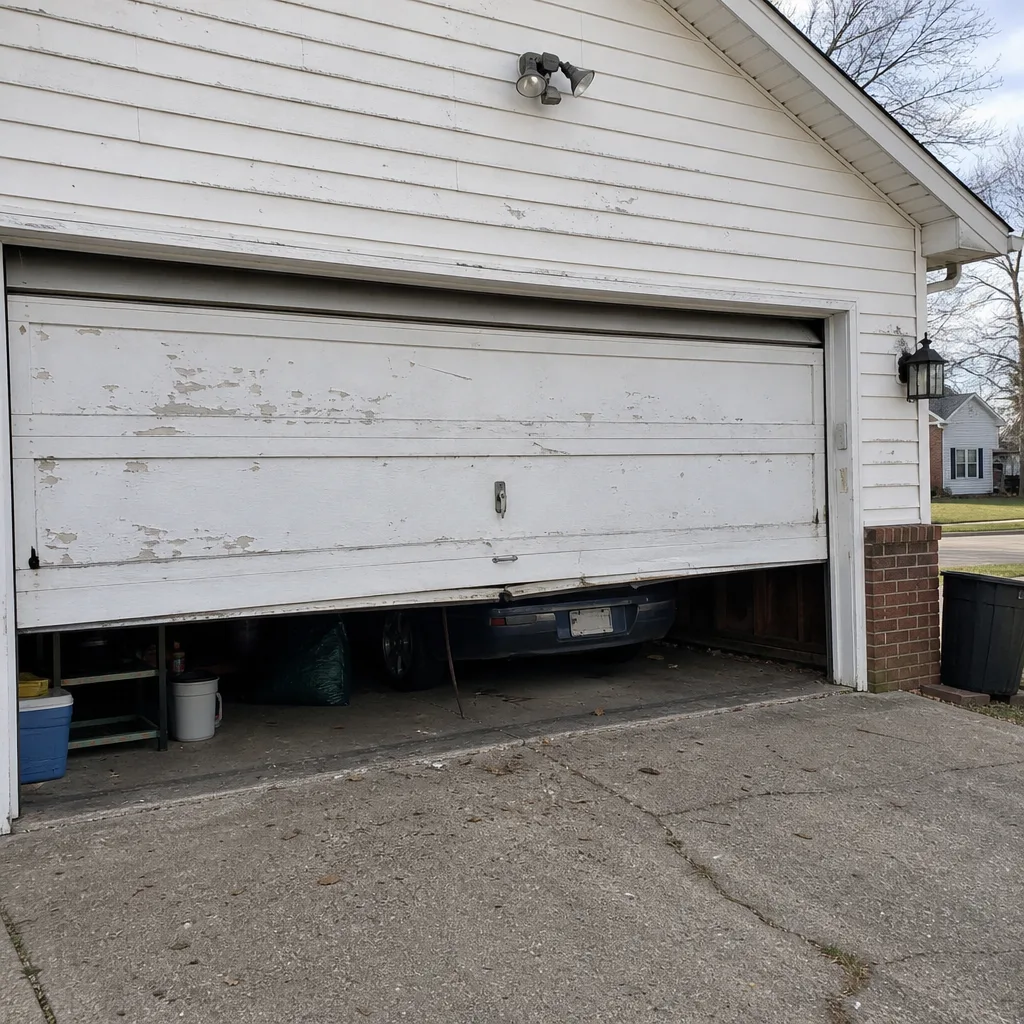 Before
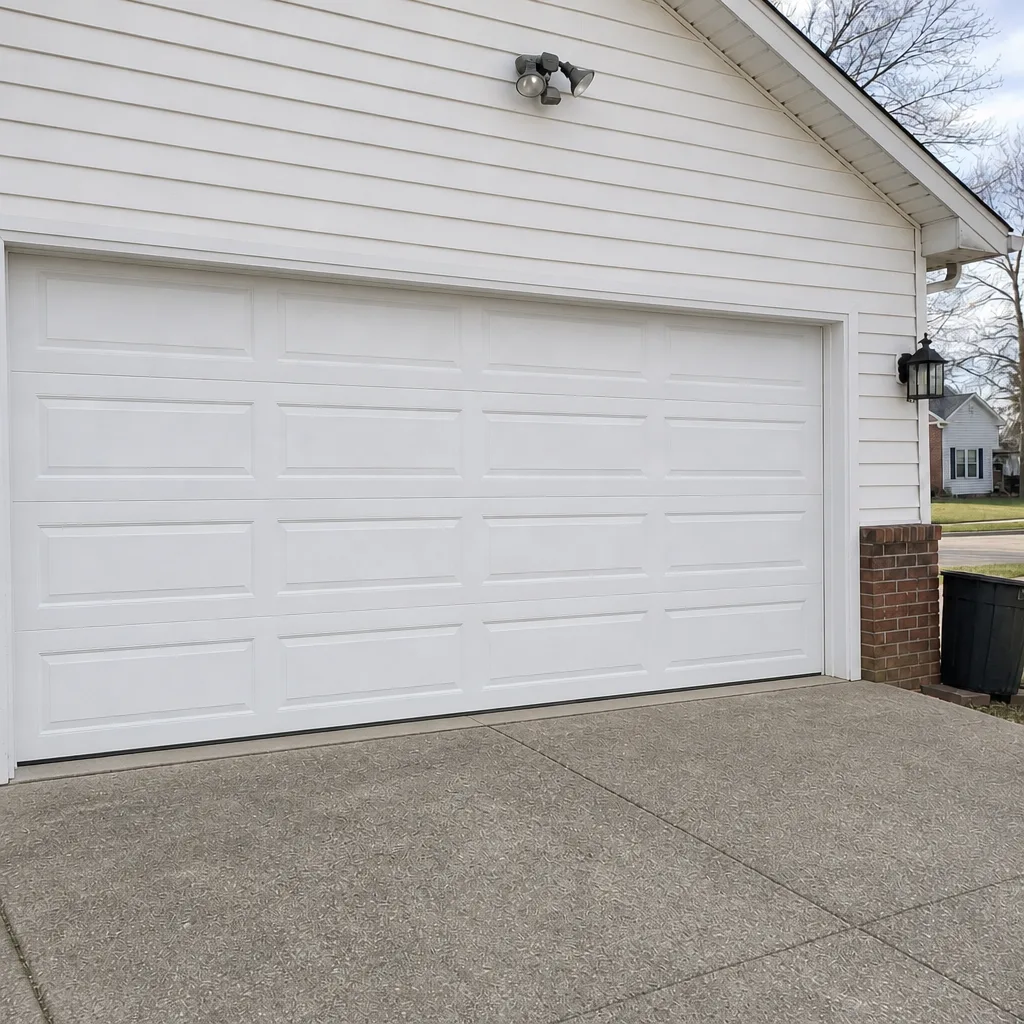 After
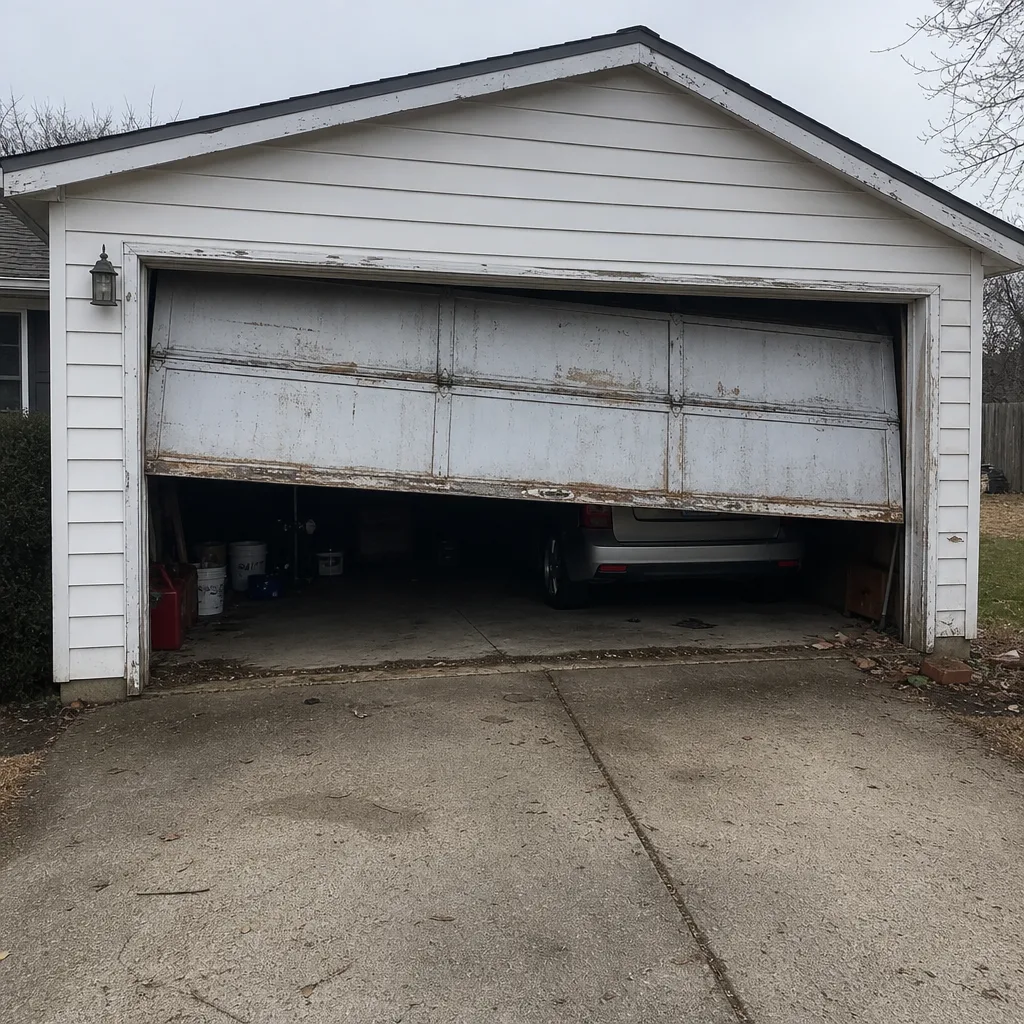 Before
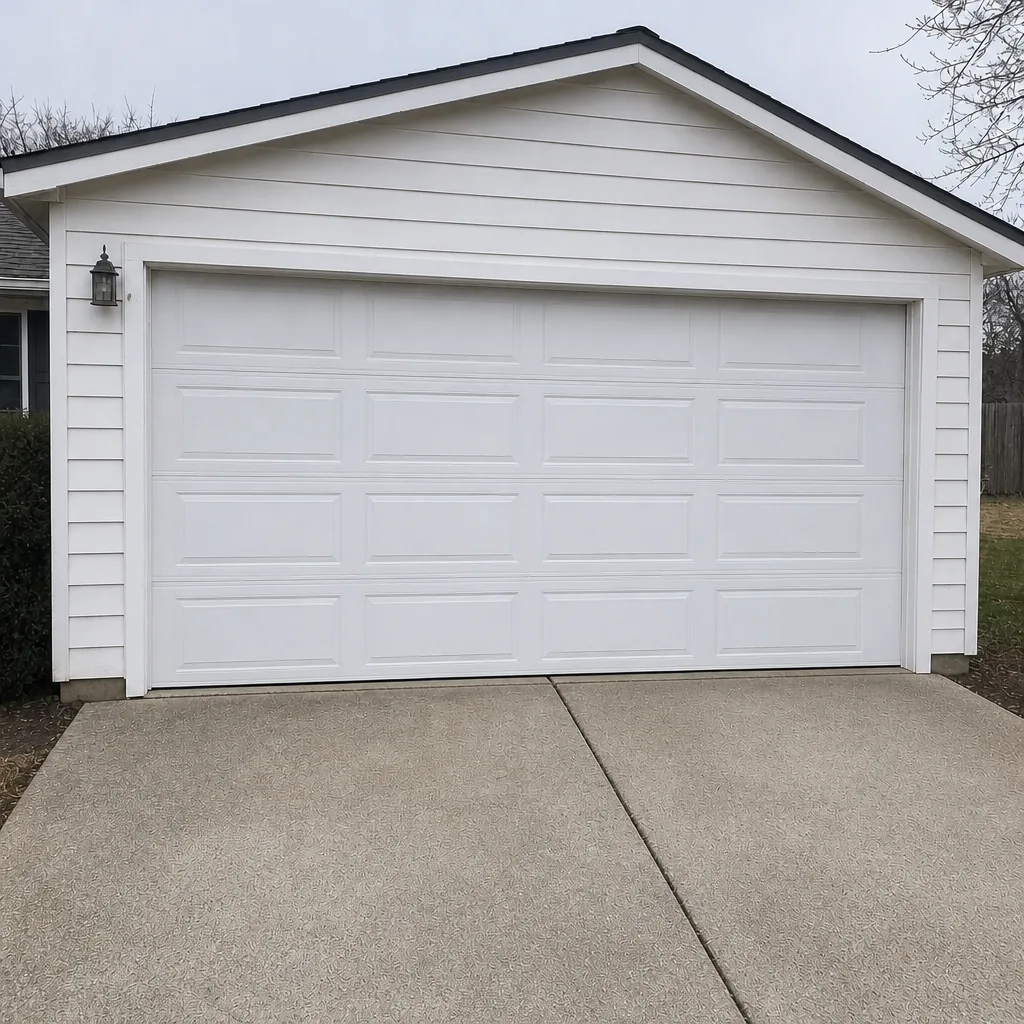 After
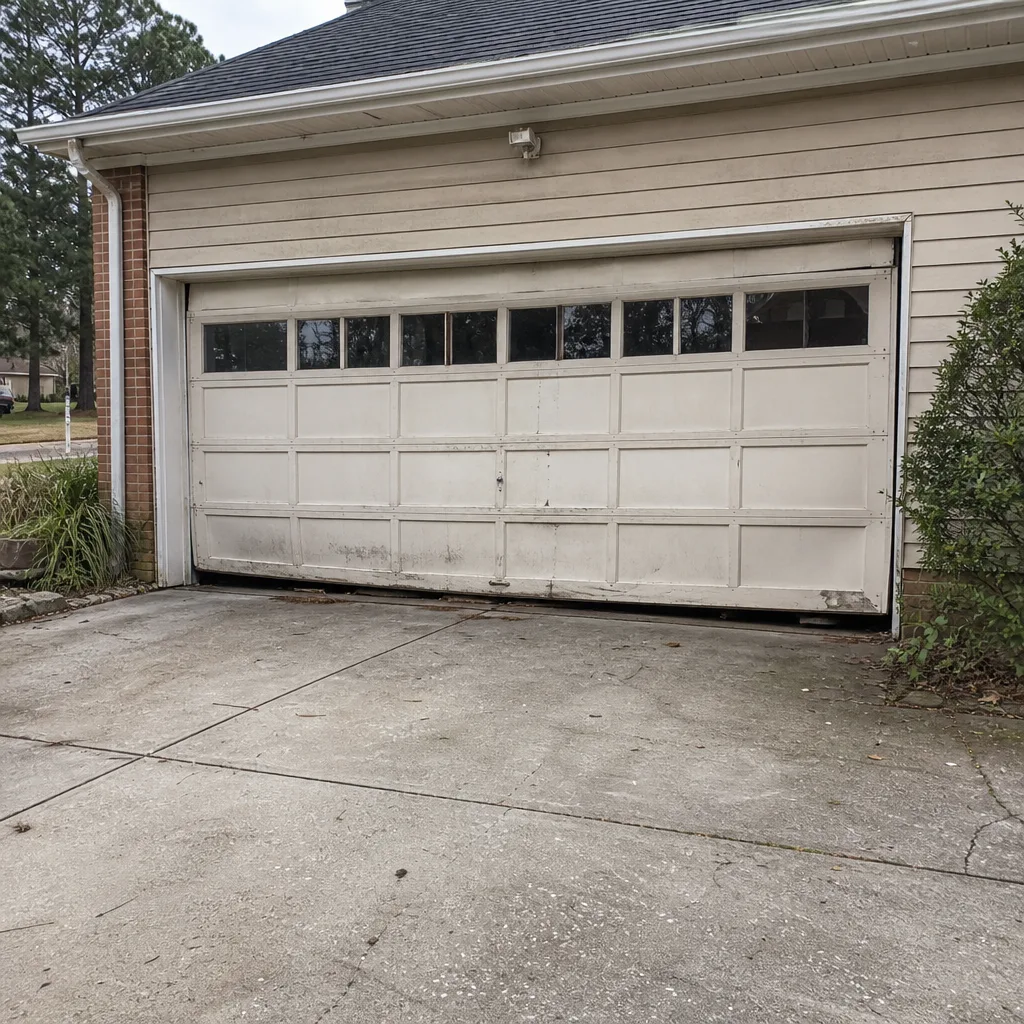 Before
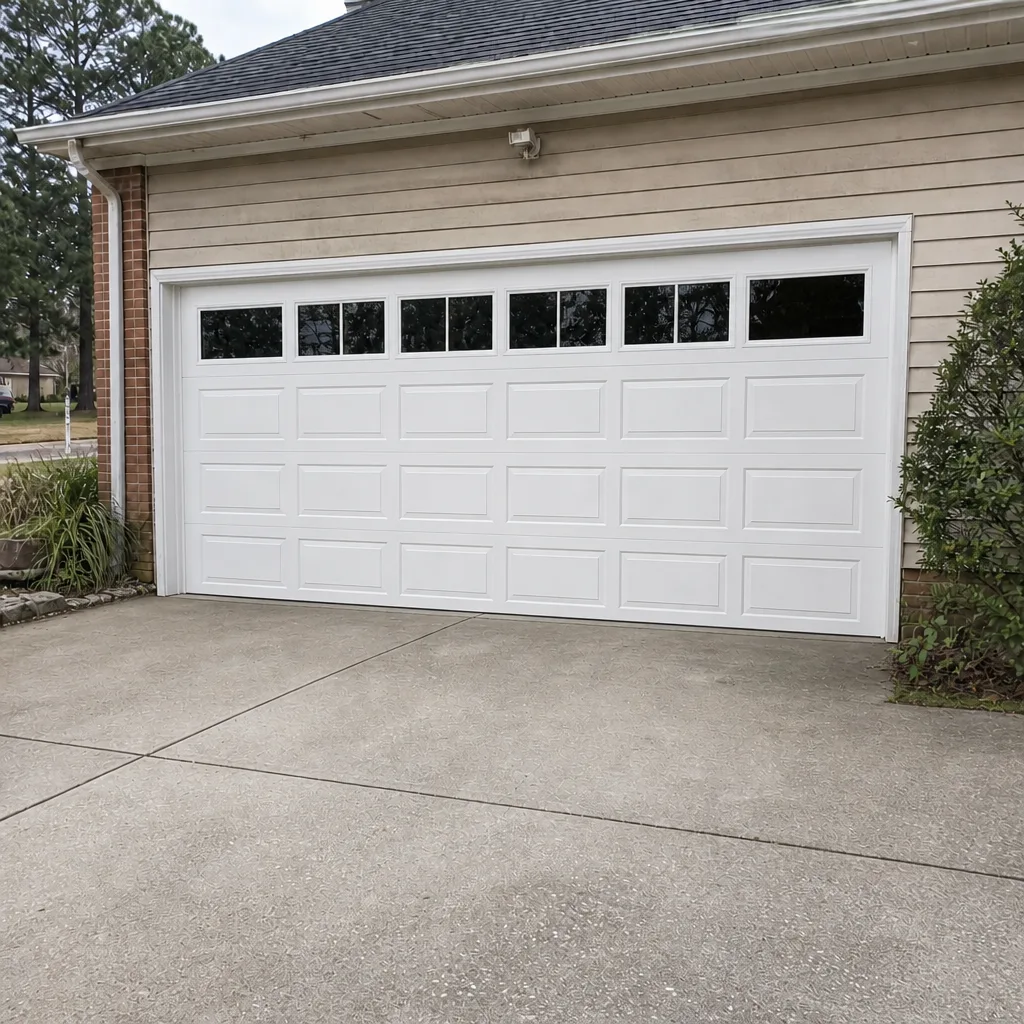 After
When to Call a Professional
Call a professional when the job involves any chance of a structural opening, any winds-rated or fire-rated requirement, or any question about whether a permit is needed at all. Those are the cases where a mistake carries a real cost, and they’re the cases where a specialist’s knowledge of Virginia Beach jurisdiction matters. Call us when you’re dealing with a door that needs a proper measurement before you order, when you’re not sure what your home’s original permit documentation says, or when you suspect the existing door doesn’t comply. Garage Door Repair Pungo offers free estimates in Pungo – call (855) 683-7570. We answer 24/7, and fast dispatch runs from 7am to 7pm, Sunday through Friday.
Frequently Asked Questions
Usually not for a true like-for-like replacement in an existing compliant opening, but you should always confirm with the Virginia Beach building department before ordering. A permit is typically required when the work changes the structural opening, involves wind-load or fire-rating requirements, or alters the framing around the door. Call (855) 683-7570 for an exact quote – estimates are free.
The door between an attached garage and living space must meet the fire rating required by the code that applies to your home, typically a rated door and frame assembly with self-closing hardware. The rating label must remain on the door and the wall around it must stay intact. We recommend having a specialist assess the assembly before replacing it – call (855) 683-7570 to set up a free estimate.
Wind load restricts your choice. A garage door must meet the wind-load design criteria for your specific home, and manufacturers like Clopay and Amarr publish rated models for exactly this reason. Installing an unrated door where a rated one is required can fail inspection and raise insurance questions. Call (855) 683-7570 for help choosing a compliant door.
A flagged unpermitted garage door typically requires retroactive sign-off, which costs more than pulling the permit upfront and can delay a sale. It can also create a coverage question with your insurer if the door is ever involved in a claim. Getting it right the first time is the cheaper path. Call (855) 683-7570 for an exact quote – estimates are free.
It can, and often does. Deed restrictions and HOA architectural review rules govern appearance, color and style separately from the building code, and they typically require written approval before installation. Check your CC&Rs and get approval in writing before you order a door. Call (855) 683-7570 for a free measure before you submit that approval request.
No. We measure, quote and agree on the price before any work begins, and the written estimate is the price for the scope it describes. If we find something during the measure that changes the scope – such as a structural issue that requires a permit – we tell you before any work starts. Call (855) 683-7570 for a free estimate.
The Bottom Line
Garage door code compliance in Pungo isn’t complicated once you understand the two layers: the Virginia Beach permit and inspection process, and any HOA or deed restrictions that sit on top. The triggers for a permit are structural changes, wind-load requirements, fire-rated assemblies, and any alteration to the opening. A true like-for-like replacement often skips the permit – but only after the city confirms it. The paperwork matters more than most homeowners realize, because it’s what protects your sale and your insurance coverage down the line. When a job touches structure, wind rating or fire separation, bring in a specialist who works in this jurisdiction every day. Garage Door Repair Pungo offers free estimates and a clear answer on which path applies. Call (855) 683-7570. We answer 24/7. Fast dispatch from 7am to 7pm, Sunday through Friday.
Written by the team at Garage Door Repair Pungo.