
Last updated November 22, 2026
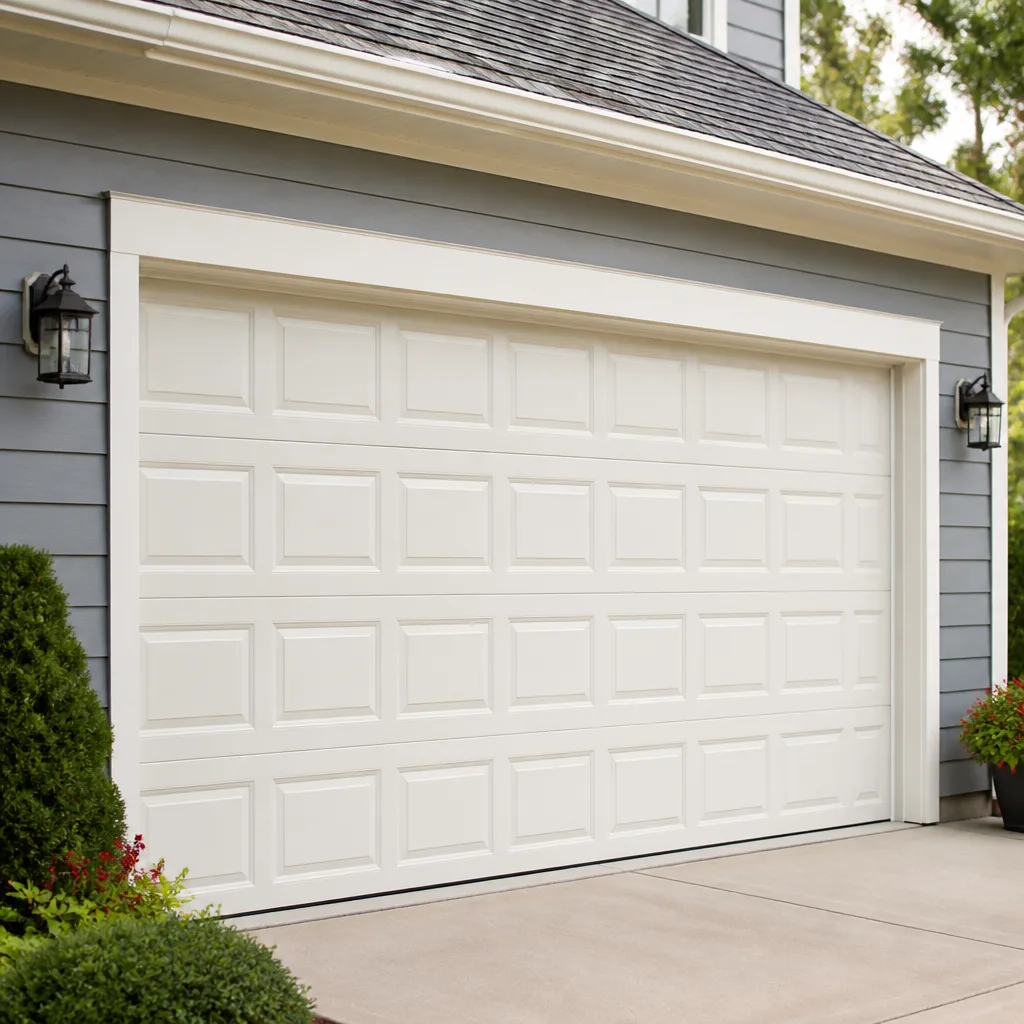 Raised-panel steel
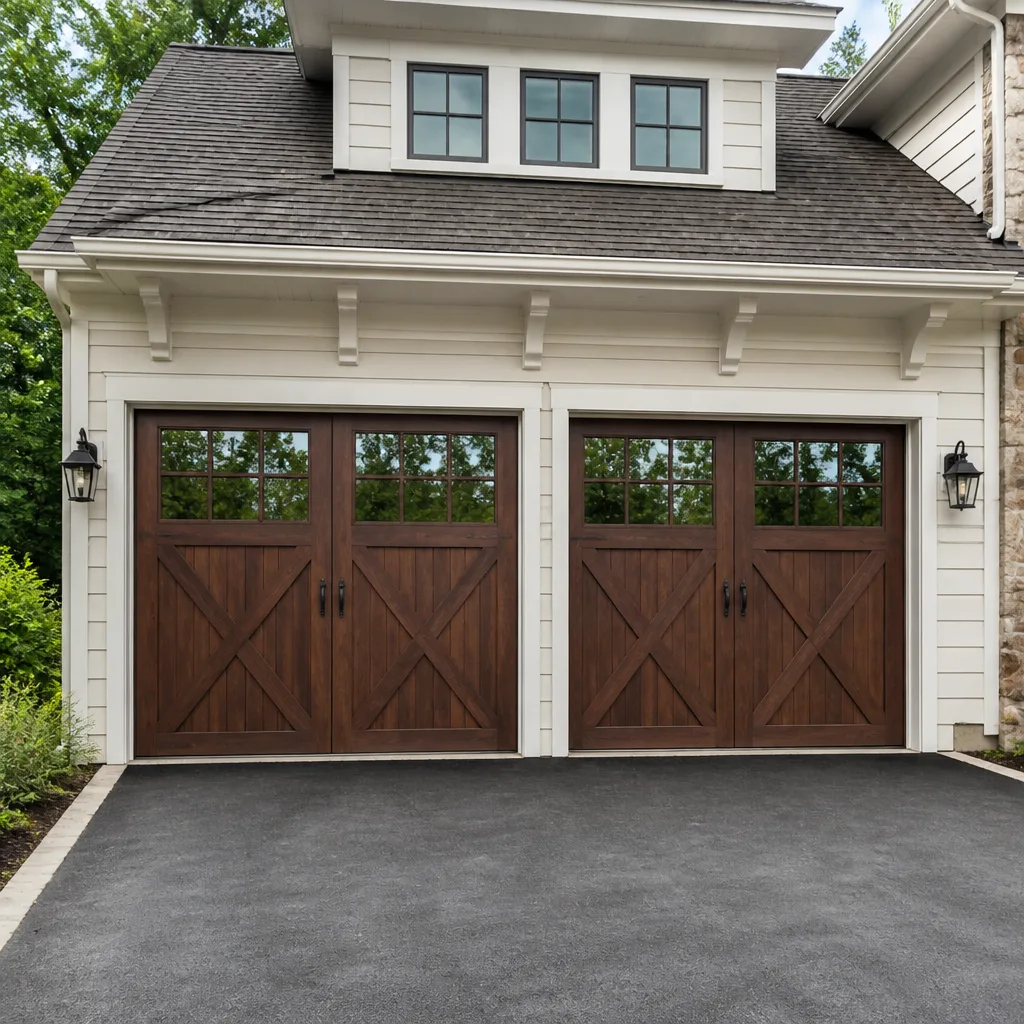 Carriage house
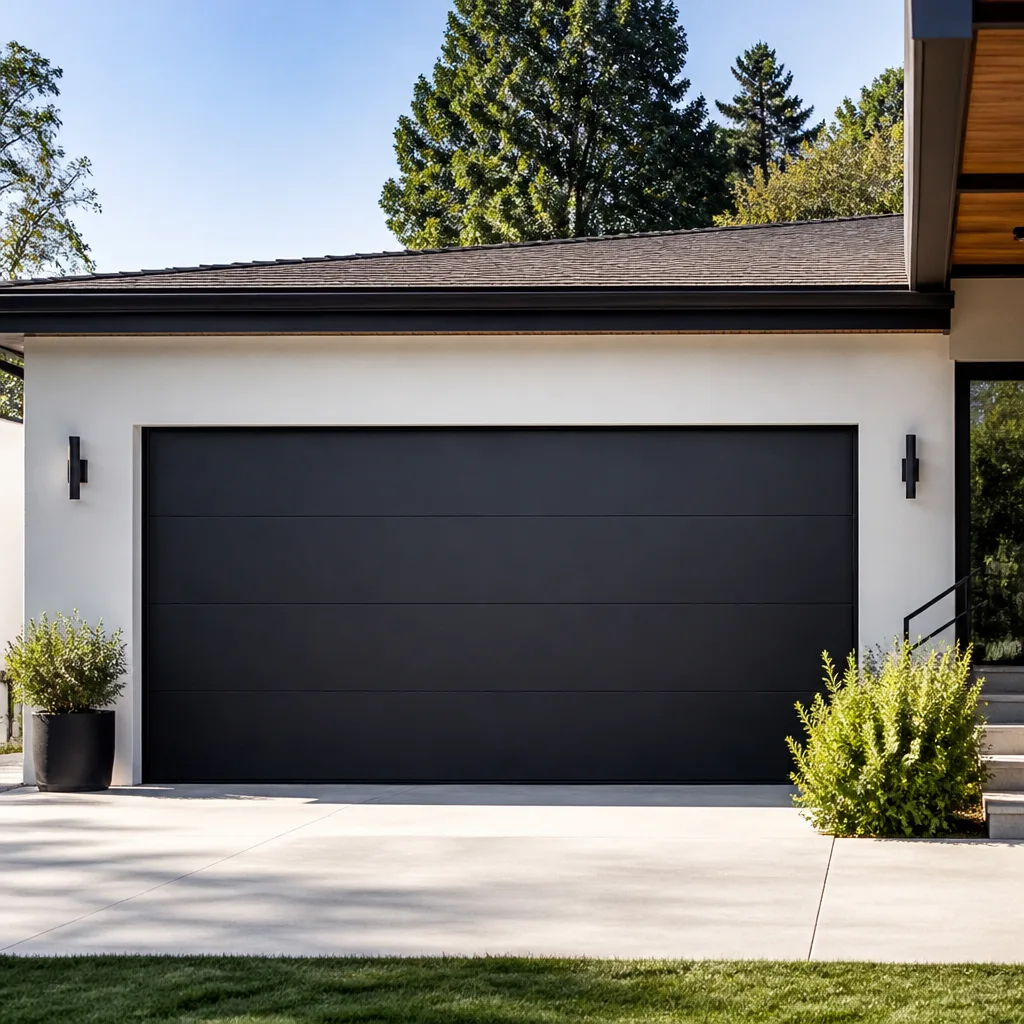 Modern flush
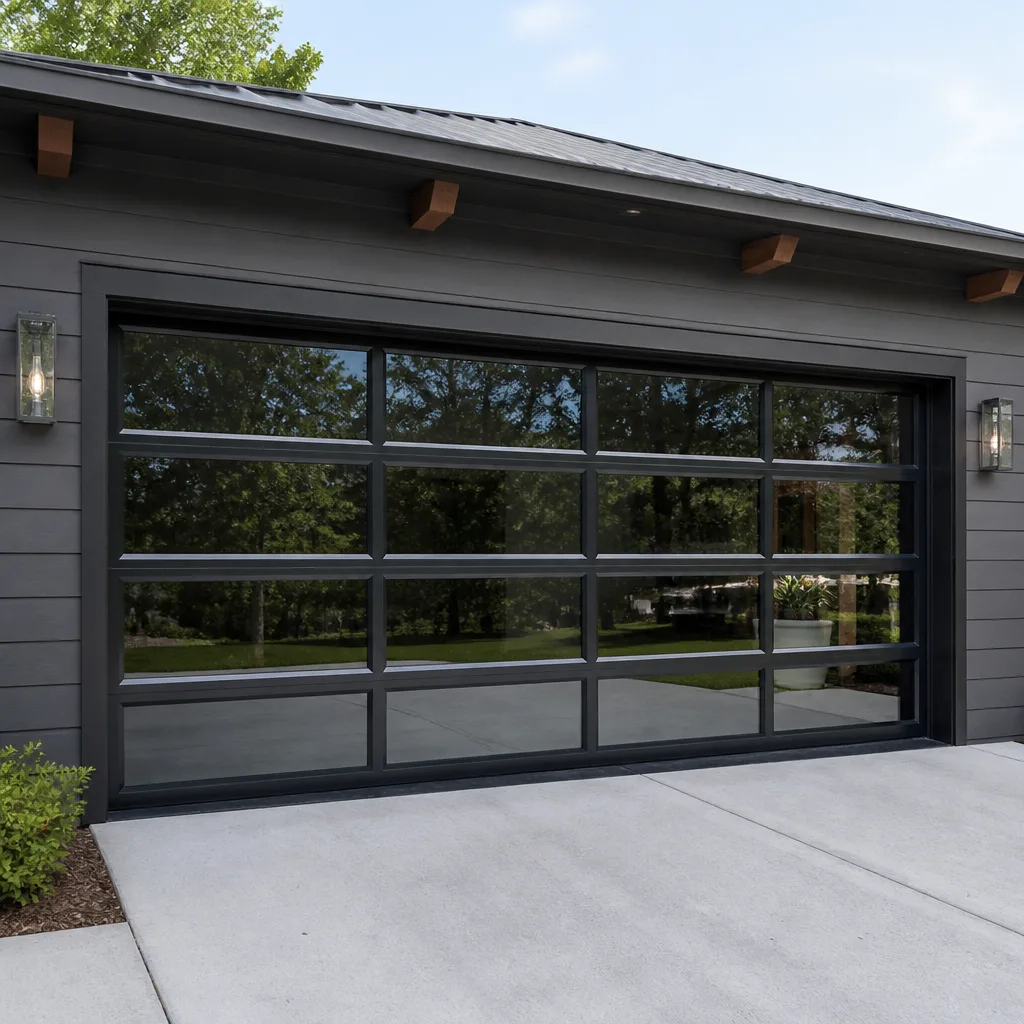 Full-view glass
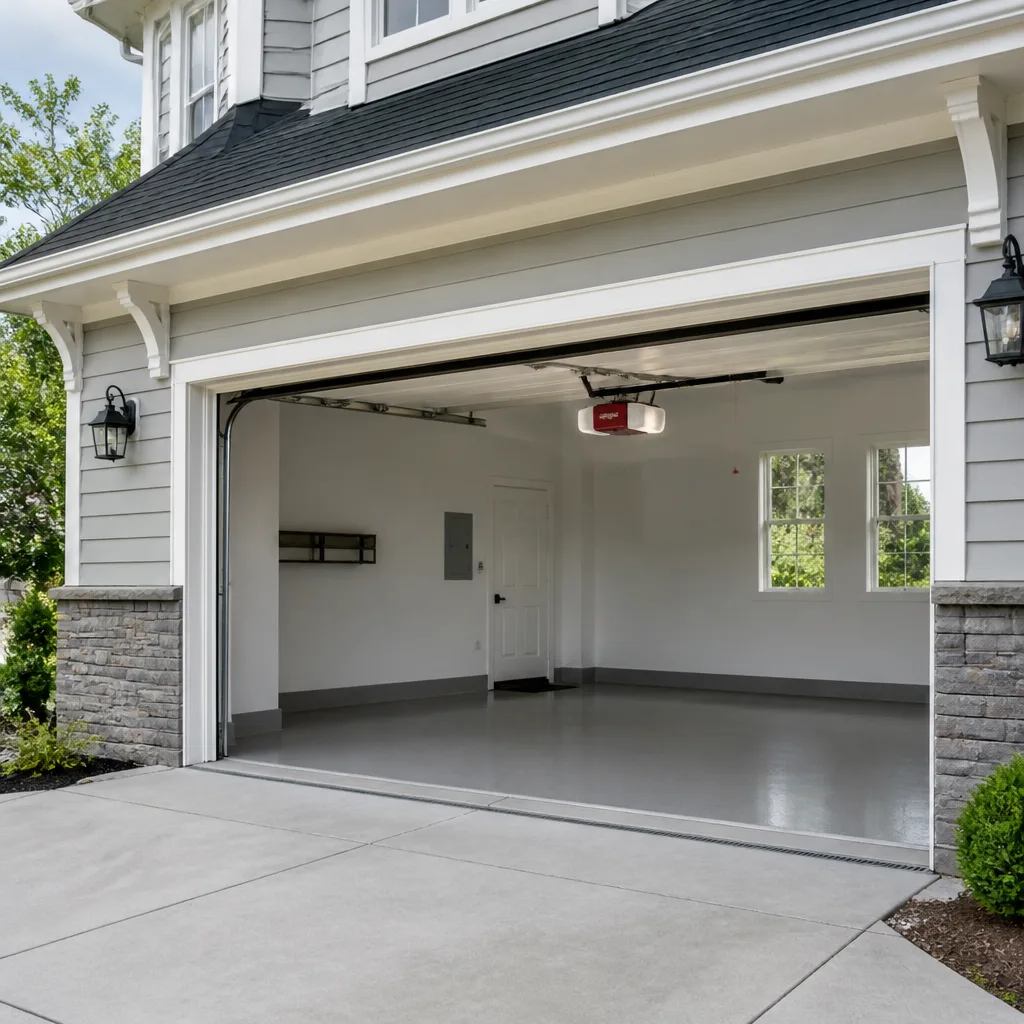 LiftMaster openers
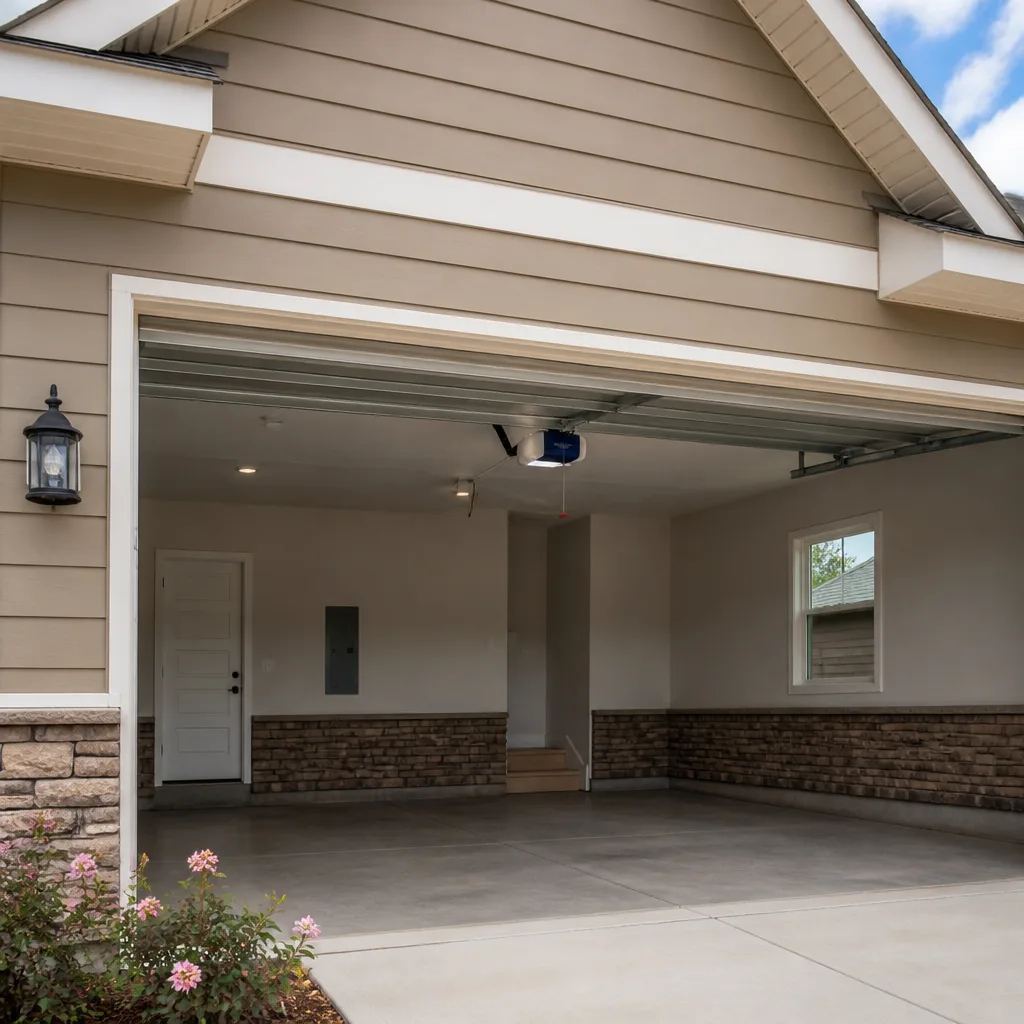 Chamberlain openers
Full 25-point door and opener safety check with every visit - springs, cables, rollers, tracks, and your LiftMaster or Chamberlain opener included
You get a price before we start. It does not change when the pro arrives.
Get your free estimateGarage Door Repair Troubleshooting in Pungo: Common Problems and How to Fix Them
A door that reverses before it closes isn’t broken. It’s doing exactly what it was programmed to do, and the problem is almost never where you’re looking. Most Pungo homeowners start troubleshooting at the symptom, a door that won’t shut or a remote that quit, and end up paying for a fix that had nothing to do with the real failure. Doors are systems: springs, cables, tracks, rollers, sensors, and a logic board all talk to each other, and a failure in one spot shows up somewhere else. This guide teaches you to read the whole door before you touch anything, sort mechanical failures from electrical ones, and recognize the jobs that belong to a technician and the ones you can safely handle yourself.
Quick Answer
Garage door troubleshooting in Pungo comes down to three checks in a fixed order: listen to the door while it runs, look at the gap and alignment, then check the indicator lights on the opener. That sequence separates mechanical failures (springs, cables, rollers, tracks) from electrical and sensor failures (photo-eyes, wiring, opener logic) before you spend a dollar. Spring and cable problems above all are not homeowner work: they store dangerous tension and need a trained technician with the right tools.
Styles & brands we work with
- Raised-panel steel
- Carriage house
- Modern flush
- Full-view glass
- LiftMaster openers
- Chamberlain openers
Table of Contents
- The Pungo Diagnostic Sequence: Listen, Look, Check the Lights
- Mechanical vs. Electrical Failures: How to Tell Them Apart
- How Pungo’s Humidity Speeds Up Specific Failures
- Symptom-to-Cause Table: What Your Door Is Telling You
- What’s Safe to Fix Yourself vs. What Needs a Technician
- How to Document the Failure Before You Call
- Opener-Side Troubleshooting for LiftMaster, Chamberlain, and Craftsman Units
- When to Call a Professional
The Pungo Diagnostic Sequence: Listen, Look, Check the Lights
Most people diagnose a garage door backwards. They see the door stop halfway, guess it’s the opener, and start pricing new units before they know what’s wrong. The order below works in that order for a reason: each step narrows the field, and the last step confirms or rules out the electrical side. In our experience, the homeowners who describe a failure in this sequence get the fastest, most accurate diagnosis and avoid paying for parts they never needed.
- Listen first. Stand in the garage and cycle the door once. Note the sound. A rhythmic pop or snap with each revolution points to a roller or hinge. A single loud bang followed by a door that won’t hold itself open points to a spring. A grinding whine that tracks the opener motor points to gears or a failing logic board. A door that groans along the whole travel is usually a track or roller problem, not the opener.
- Look at the gap and the alignment. Check the gap between the bottom of the door and the floor. Uneven gaps mean the door is out of level, which usually traces to a stretched cable, a worn roller, or a bent track. Check the vertical tracks for dents and the horizontal tracks for sag. Look at the cables on both sides of the door: a frayed cable is a visible warning, not something to ignore.
- Check the lights on the opener. The photo-eye sensors at the bottom of the tracks each have an indicator light. If one is dark, you have a sensor or wiring problem, not a mechanical one. If both are lit and the door still reverses, the problem is usually the opener’s force setting or the down-limit travel, which is a programming issue rather than a broken part.
Run the sequence once, top to bottom, and write down what you hear, see, and read on the lights. That record is worth more than any checklist you’ll find online. It also matches the way a specialist is taught to read a door, whether the equipment is a Wayne Dalton unit, a Craftsman opener, or a Raynor door in a custom build. If the sequence points to mechanical damage, that’s when a real garage door repair visit makes sense; if it points to the opener, that’s a different conversation.
Mechanical vs. Electrical Failures: How to Tell Them Apart
Mechanical failures involve the metal that moves the door: springs, cables, rollers, hinges, tracks, and drums. Electrical failures involve the opener, the sensors, the wiring, and the logic board. The two feel similar from the driver’s seat of your car, which is why so many Pungo homeowners misdiagnose them. A door that won’t open can be a snapped spring or a dead opener, and the fix is completely different in each case.
Here’s the split, in practical terms:
- Mechanical signals: The door is hard to lift by hand (or impossible), the door won’t stay open on its own, a cable looks frayed or is hanging loose, a roller is cracked or off the track, the door hangs crooked, or there’s a loud bang when the door was last operated.
- Electrical signals: The opener hums but the door doesn’t move, the opener clicks and nothing happens, the wall button works but the remote doesn’t (or the reverse), the sensor lights are dark or flashing, the door reverses on its own with no obstruction, or the opener beeps and flashes instead of running.
- Ambiguous signals: The door travels a few inches and stops, the door reverses only sometimes, or the door opens and closes but the opener light won’t turn off. These usually trace to opener force settings, limit switches, or sensor alignment, and they need a technician’s diagnostics rather than a part swap.
A door that hums but doesn’t move is one of the most common calls we get in Pungo, and it’s almost always electrical: a stripped gear, a dead capacitor, or a logic board fault. A door that won’t hold itself halfway open is almost always mechanical: a spring that’s lost tension or a cable that’s stretched. Sorting those two before you call saves you from paying for an opener you don’t need, or a repair visit that should have been an opener service, which is why our garage door opener repair line is separate from the door-side work.
How Pungo’s Humidity Speeds Up Specific Failures
Pungo sits in the humid, low-lying part of Virginia Beach’s southern edge, and the climate shapes garage door failures here in ways inland guides never mention. Summer humidity runs high for months, and a garage is one of the most humid spaces in the house: it has a concrete slab, poor airflow, and a big opening to the outside. That constant moisture attacks specific parts on a predictable schedule.
- Bottom seals rot faster here. The rubber or vinyl bottom seal sits right on the concrete, and it’s where moisture wicks up first. Seal rot lets water, dirt, and small pests into the garage, and a rotted seal also lets drafts and heat into the house. A seal that has turned brittle or torn is worth replacing on its own, before it starts damaging the door’s bottom panel.
- Cables fray near the drums. Cables run from the bottom corners of the door up to the drums at the top of the tracks, and that’s where humidity-driven oxidation and constant flex meet. The strands closest to the drum are the first to fray. A cable that looks fuzzy or has broken strands is a real hazard and belongs to a technician.
- Hinges and rollers seize. Metal hinges and steel rollers need periodic lubrication, and in Pungo’s humid months they need it more often. A seized roller doesn’t roll, it drags, and that produces the grinding noise and uneven travel that leads homeowners to suspect the opener.
- Wood doors swell and stick. If your garage door has wood panels, humidity can cause seasonal swelling and sticking. That’s not a failure, it’s a maintenance issue, and it responds to proper sealing and alignment rather than a repair.
None of this is about salt air or coastal corrosion; it’s plain humidity and condensation, and it’s the reason a door that worked fine in spring can start groaning in July. Our technicians have up to 8 years of experience reading these patterns, and they know that in Pungo the bottom seal and the cable drums get checked on every repair visit, not as an upsell but because they’re the parts most likely to fail next.
Symptom-to-Cause Table: What Your Door Is Telling You
Use this table the way a technician does: match the symptom to the likely cause, then confirm with the diagnostic sequence above. It’s not a guarantee, but it’s the fastest way to organize what you’re seeing. The key distinction is safe-to-touch versus call-a-pro: anything involving spring tension or a load-bearing cable goes to a technician, no exceptions.
- Door reverses before closing, nothing in the way: likely sensor misalignment, dirty photo-eye lens, or a down-limit setting. Electrical. Homeowner-safe to check.
- Door reverses only sometimes: likely loose sensor bracket, sun glare into the eye, or a loose wire at the opener terminal. Electrical. Homeowner-safe to check, may need a technician to re-set limits.
- Single loud bang, door won’t hold itself open: likely a broken torsion spring. Mechanical. Call a technician.
- Door is hard to lift by hand, springs look extended/loose: likely a broken or stretched spring. Mechanical. Call a technician.
- Cable hanging loose or visibly frayed: likely a snapped or worn cable. Mechanical. Call a technician.
- Door hangs crooked and one side lags: likely a stretched cable, a bent track, or a worn roller on one side. Mechanical. Call a technician.
- Opener hums, door doesn’t move: likely a stripped gear, dead capacitor, or logic board. Electrical. Call for opener service.
- Opener clicks, no hum, no movement: likely a dead logic board, a bad wall button, or a tripped breaker. Electrical. Start with the breaker and the wall button, then call.
- Grinding noise while the door travels: likely a seized roller, a dry hinge, or a misaligned track. Mechanical. Homeowner-safe to inspect, technician to fix if it’s the track.
- Door opens fine, closes partway, then reverses: likely a down-limit or force-setting issue, or a sensor the door can’t see. Electrical. Homeowner-safe to check sensors, technician for limits.
That list covers the majority of what we see on Pungo calls. If you can match your symptom to a row, you already know more than most people who call for help, and you’re in a better position to describe the problem accurately. If two rows apply at once, start with the one that involves noise or a physical change, because a mechanical failure often triggers an electrical symptom (a crooked door can trip a sensor or force an opener to reverse).
What’s Safe to Fix Yourself vs. What Needs a Technician
Some garage door problems are genuinely homeowner-safe: sensor cleaning, remote pairing, track alignment, lubrication, and resetting a tripped breaker. Others are dangerous enough that a trained technician should handle them every time, and the most dangerous part of any garage door system is the spring tension. Springs and cables store a huge amount of mechanical force, and the tools that hold them safely are not tools most homeowners own. An injury here isn’t a cut or a bruise; it’s a serious, compressive force that can break bones or worse. That’s why springs and cables are on the professional-only list without exception.
Safe for a homeowner:
- Wipe the photo-eye lens clean and check that the sensors are pointed at each other.
- Re-pair a remote to the opener, or replace the remote battery.
- Reset the breaker or GFCI that feeds the opener.
- Lubricate hinges, rollers, and the opener rail with a proper garage-door lubricant.
- Gently straighten a track that’s been bumped, as long as the door isn’t on it.
- Replace a rotted bottom seal.
Call a technician, without exception:
- Anything involving torsion springs, extension springs, or their mounting hardware.
- Anything involving a cable, cable drum, or the bottom bracket the cable attaches to.
- A door that has come off its track, or a track that’s bent while the door is on it.
- A door that is hanging crooked or has partially collapsed.
- Any opener that’s making a mechanical noise but not moving the door.
- Any situation where the door has fallen, or the springs have visibly failed, and the door is now in a dangerous position.
If you’re in the second column, don’t operate the door, and don’t try to force it open by hand. Springs are the most dangerous part of any garage door system, and we handle them with professional-grade tools and safety standards rather than a DIY shortcut. Our team has spent its career on that skill alone, which is why our spring repair specialization exists as its own discipline and not as a side job. Call (855) 683-7570 and we’ll talk you through the safest thing to do next while the visit is booked.
How to Document the Failure Before You Call
The single best thing you can do before calling a technician is document the failure. A clear video or a written record of the symptom gets you a faster, more accurate diagnosis, and it protects you from being sold work you don’t need. It also lets the technician show up prepared with the right parts, which shortens the visit. In our experience, the homeowners who document the problem are the ones who avoid paying for parts they never needed.
- Record one full cycle. Stand back and film the door from inside the garage while it runs through a full open and close, with the sound on. Capture the opener’s reaction, the door’s travel, and any noise. Thirty seconds of video is worth more than a five-minute phone description.
- Note the opener’s error code, if it shows one. Many modern openers, including LiftMaster and Chamberlain units, flash a diagnostic code on the light or the wall control. Write down the number of flashes and the pattern. A technician can decode it immediately.
- Write down when it started and what changed. Did the door fail suddenly, after a storm, after a power outage, or gradually? Those answers point to different causes, and a power-surge-related failure is treated differently from a mechanical one.
- Photograph the visible damage. Take close-ups of any frayed cable, bent track, broken hinge, cracked roller, or offset door panel. Photograph the sensor lights too, on both sides.
- Test the door by hand only if it’s safe. If the door is on its track and the springs are intact, disconnect the opener (pull the red release handle) and try lifting the door by hand. A door that lifts easily but won’t stay up points to a spring issue; a door that won’t lift at all points to a mechanical binding issue. Don’t do this if the door is crooked, off-track, or the springs have failed.
When you call, describe the failure in the sequence you recorded: what you heard, what the gap looked like, and what the lights showed. You’ll get a faster, more accurate answer, and the technician will know what to bring. If the documentation points to a full replacement rather than a repair, we’ll tell you that honestly, and our garage door installation service is the next step rather than a separate company. One call, one specialist, whether the answer is a repair or a new door.
Opener-Side Troubleshooting for LiftMaster, Chamberlain, and Craftsman Units
Openers are their own diagnostic world. Most of the units we see in Pungo are LiftMaster, Chamberlain, Craftsman, Genie, or Raynor, with Wayne Dalton doors on plenty of them, and each brand has a slightly different way of telling you what’s wrong. The good news is that the same four problems cause the overwhelming majority of opener failures, and the first three are things a homeowner can check.
- The remote doesn’t work, but the wall button does. That’s usually a remote battery, a lost pairing, or a rolling-code mismatch. Replace the battery first, then re-pair the remote according to the opener’s manual. If it still fails, the remote’s circuit board may be dead.
- The door reverses on its own, or stops mid-travel. That’s usually the photo-eye sensors: misaligned, dirty, or blocked by something as thin as a spiderweb. Check both sensor lights, clean the lenses, and confirm the sensors are pointed at each other across the opening.
- The opener hums but the door doesn’t move. That’s usually a stripped gear inside the opener, and it’s a repair, not a replacement. A dead capacitor produces a similar symptom, and both are worth fixing on a unit that’s otherwise healthy.
- Nothing happens at all. Start with the breaker and the wall control. A tripped breaker or a failed wall button explains a surprising share of “dead opener” calls. If the power is fine and the wall button has no effect, the logic board is the likely culprit.
For the older Craftsman units still running in Pungo garages, the wall control and the safety sensors are the usual suspects, and for newer LiftMaster and Chamberlain units, the most common issue is a sensor that’s been bumped out of alignment. Genie and Raynor units tend to fail at the wall button or the safety reverse setting. Our technicians work on the brand you already own, and they’re factory-trained across all eight of the major brands, so there’s no need to replace an opener that just needs a part. If it turns out the opener is genuinely at the end of its life, we’ll tell you that too, with the price in writing before any work starts.
See the difference
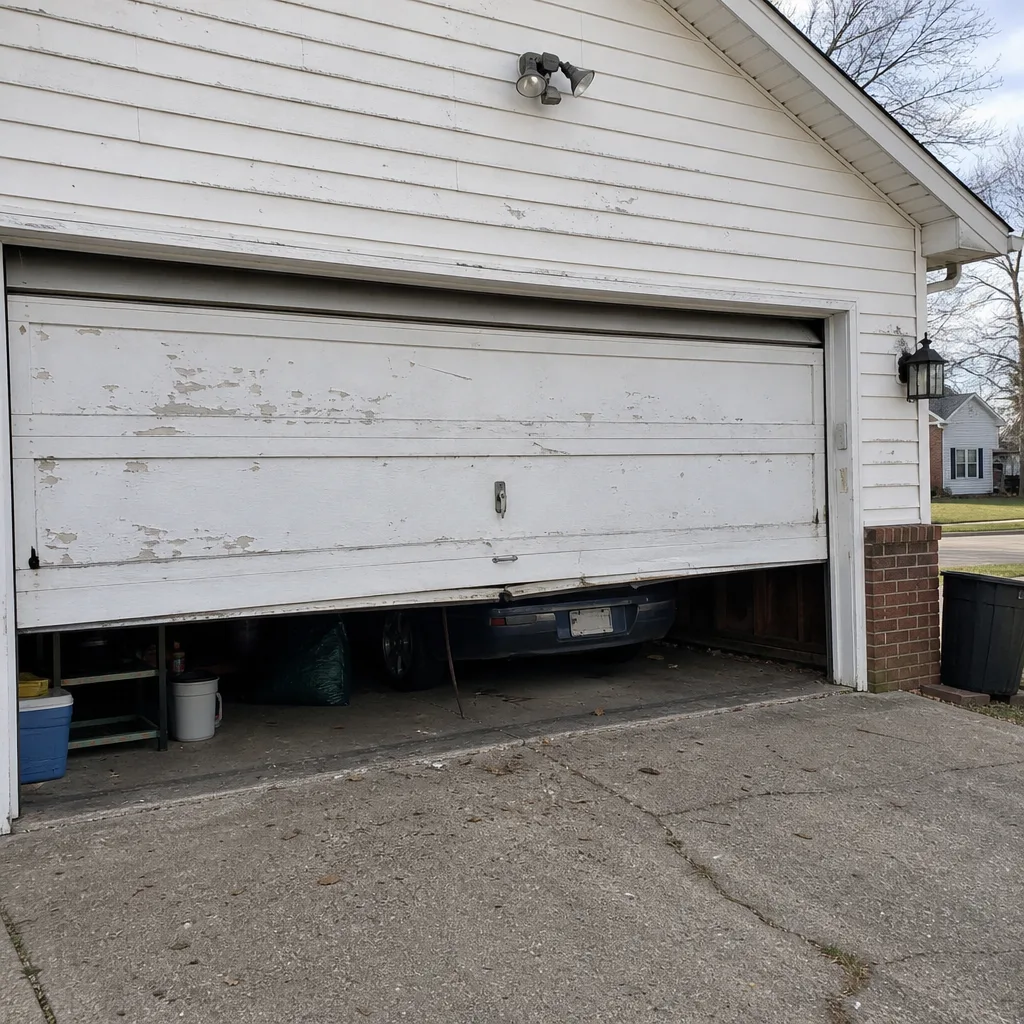 Before
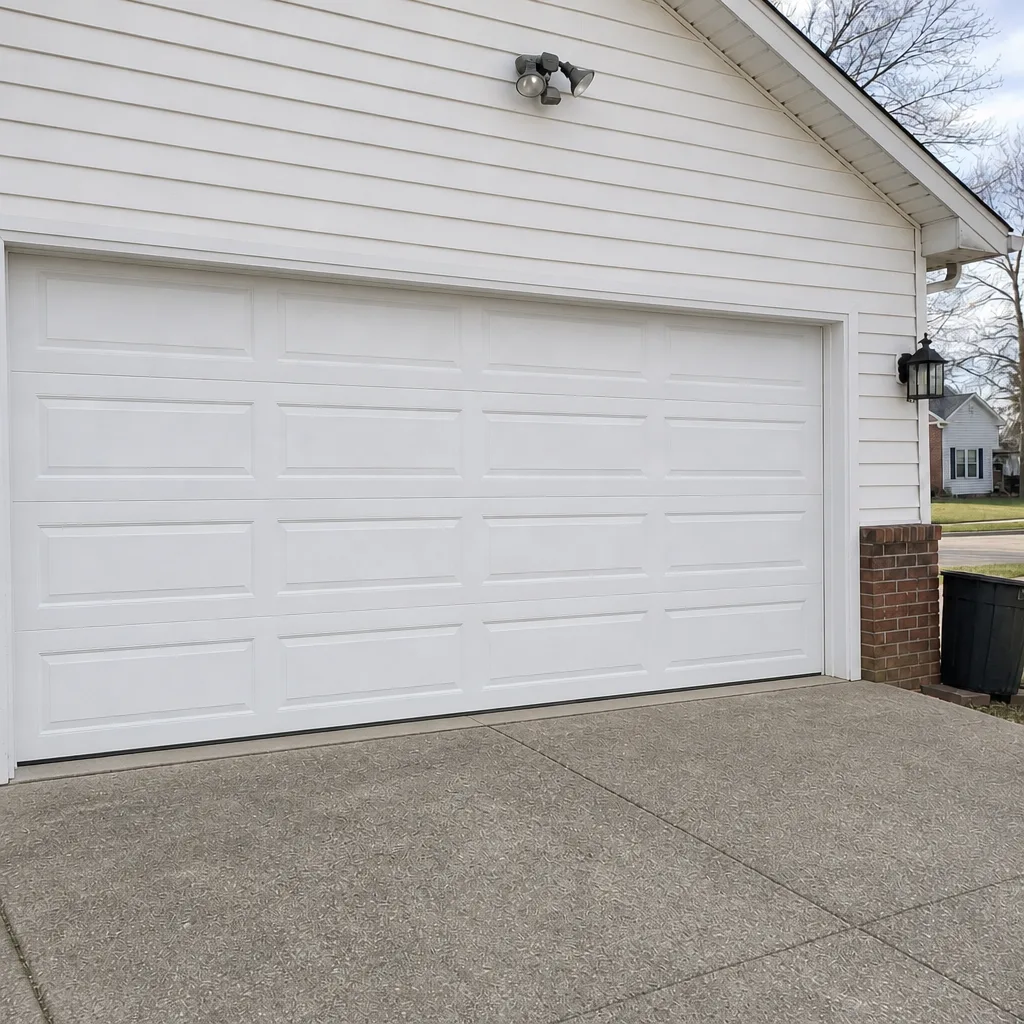 After
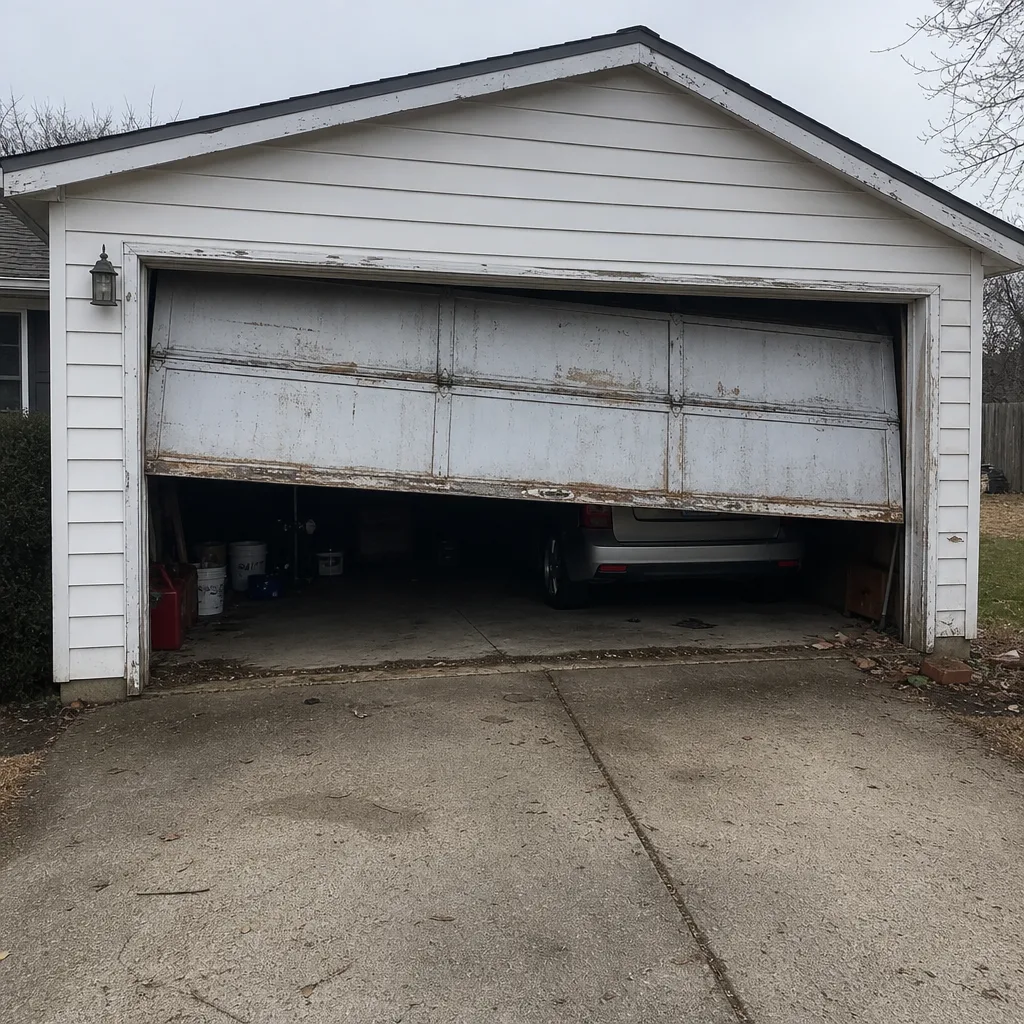 Before
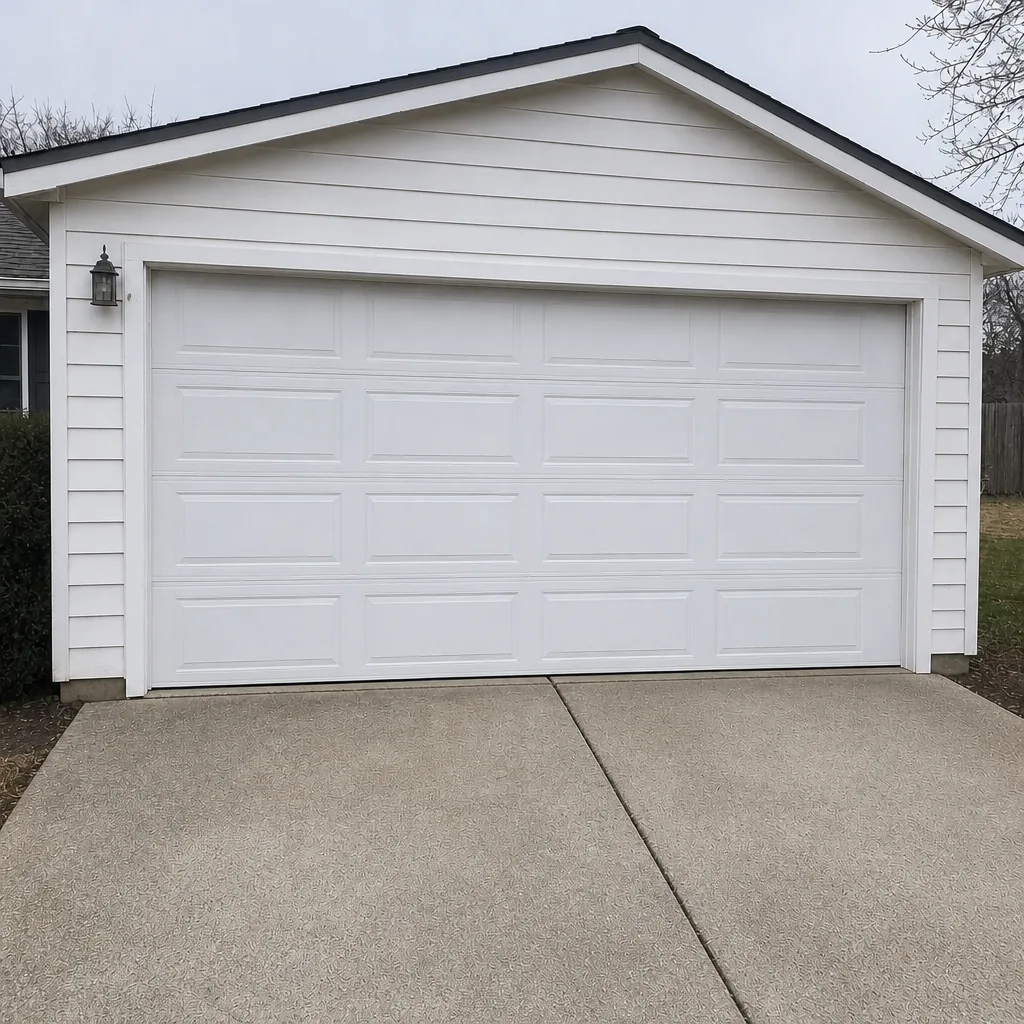 After
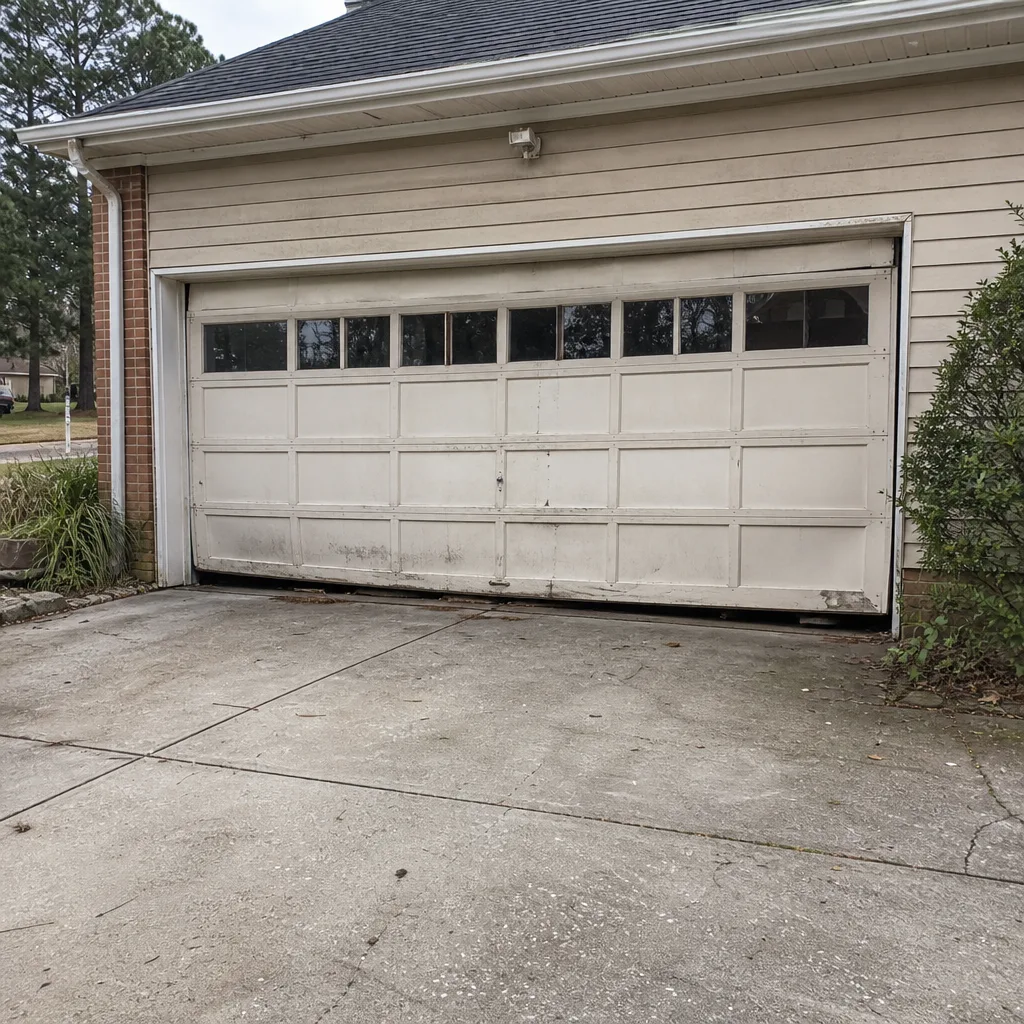 Before
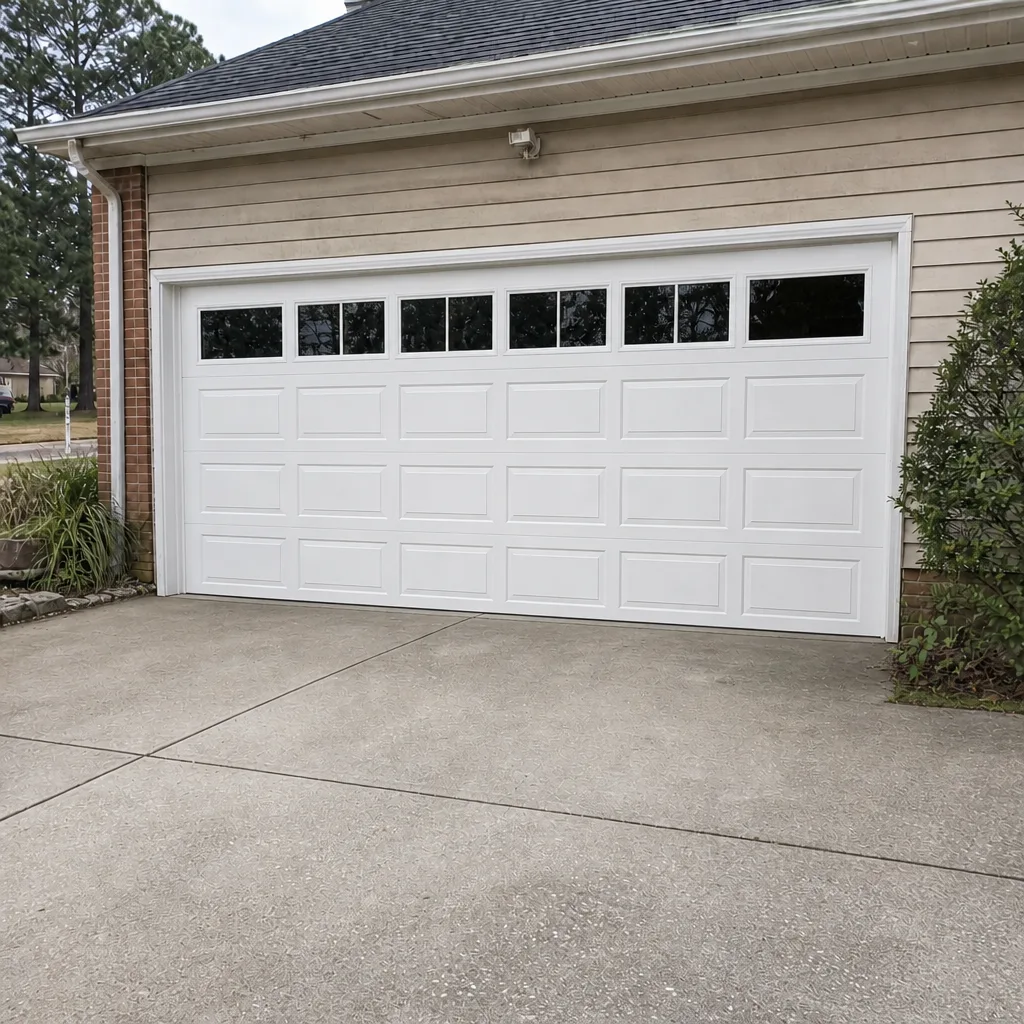 After
Common Mistakes to Avoid
- Assuming the opener is broken when the door is. A door that won’t open is often a spring or cable problem, and replacing the opener won’t fix it. Diagnose the door before you price the opener.
- Trying to adjust a spring yourself. This is the single most dangerous DIY move on a garage door, and it’s the reason spring repair is a specialized trade. Springs store dangerous tension that can release without warning.
- Forcing a stuck door open by hand. If the door has come off its track or the springs have failed, forcing it can bend the panels, damage the tracks, and put you in the path of a falling door.
- Ignoring a frayed cable. A cable that looks fuzzy or has broken strands can snap without warning, and a snapped cable drops one side of the door. Call a technician before that happens.
- Skipping lubrication because of Pungo’s humidity. Inland guides may tell you to lubricate once a year; in Pungo’s humid summers, hinges and rollers need attention more often. A dry hinge turns into a seized roller and then a noisy, uneven door.
- Letting a rotted bottom seal sit. The seal is the first line of defense against water and pests, and in Pungo’s climate it’s also the first part to rot. Replace it early rather than waiting for the door’s bottom panel to suffer.
- Accepting a repair quote without a written price. A reputable specialist will quote the job and agree the price before any work starts. Get it in writing, and don’t let anyone start work without it.
When to Call a Professional
Call a professional if the door has come off its track, if a spring has broken or gone slack, if a cable is frayed or hanging loose, if the door hangs crooked, or if the opener hums or grinds without moving the door. Those are the cases where a diagnostic visit saves money, and where the work itself is dangerous enough that a trained technician should do it. Also call if you’ve run the diagnostic sequence and matched the symptom to a mechanical failure in the table above; that’s not a job for a toolbox. Garage Door Repair Pungo offers free estimates in Pungo, and our team has up to 8 years of experience reading doors and openers across the major brands. Call (855) 683-7570. We answer 24/7. Fast dispatch from 7am to 7pm, Sunday through Friday.
Frequently Asked Questions
Your door is doing what it was programmed to do: the opener’s safety reverse is triggering, and the usual cause is a misaligned, dirty, or blocked photo-eye sensor, not a mechanical failure. Check both sensor indicator lights first, clean the lenses, and confirm the sensors are pointed at each other. If that doesn’t fix it, the down-limit or force setting on the opener needs a technician’s adjustment. Call (855) 683-7570 for an exact quote; estimates are free.
Run the diagnostic sequence: listen to the door, look at the gap and alignment, then check the sensor lights. A door that won’t hold itself open, hangs crooked, or has a frayed cable is mechanical. A door that hums, clicks, or reverses on its own with no obstruction is electrical. If two symptoms overlap, start with the mechanical one; a crooked door can trip the sensors and look electrical. Call (855) 683-7570 and describe what you found; estimates are free.
No. Garage door springs store dangerous tension, and an improper adjustment can release that force in an instant, which is why spring repair is a technician’s job. Our team handles spring repair with professional-grade tools and safety standards, never a DIY shortcut. If your spring has broken or gone slack, don’t operate the door; call (855) 683-7570 and we’ll walk you through the safest next step while the visit is booked.
Pungo’s humid summers speed up specific failures: bottom seals rot, cables fray near the drums, and hinges and rollers seize more often than in drier climates. The garage is a humid space to begin with, and months of high humidity add up. That’s why we check the bottom seal and cable drums on every repair visit here. Call (855) 683-7570 for a free estimate on any of it.
No, the written estimate is the price. We quote the job and agree the price before any work starts, and if the technician finds something different once the door is opened up, you’ll hear about it before any additional work is approved. There’s no surprise invoice waiting for you. Call (855) 683-7570 for an exact quote; estimates are free.
Likely yes. A door stuck open is an urgent access and security situation, and our emergency service is built for exactly that. Call (855) 683-7570. We answer 24/7. Fast dispatch from 7am to 7pm, Sunday through Friday, and same-day service is often available. A call outside dispatch hours is booked into the next opening.
The Bottom Line
Garage door troubleshooting starts with the system, not the symptom. Run the sequence (listen, look at the gap, check the lights) and you’ll know whether you’re dealing with a mechanical failure or an electrical one before you spend a dollar. In Pungo, humidity makes bottom seals, cables, and hinges the parts to watch, and it’s why our technicians check those on every visit. Leave springs and cables to a professional. Document the failure with a video and the opener’s error code so you describe it accurately and don’t get talked into work you don’t need. One call, one specialist, and a written price before any work starts. Garage Door Repair Pungo provides Garage Door Repair Pungo service across repair, opener work, springs, and installation for every major brand. Call (855) 683-7570 for a free estimate. We’ll tell you which fix you actually need.
Written by the team at Garage Door Repair Pungo.