
Last updated November 22, 2026
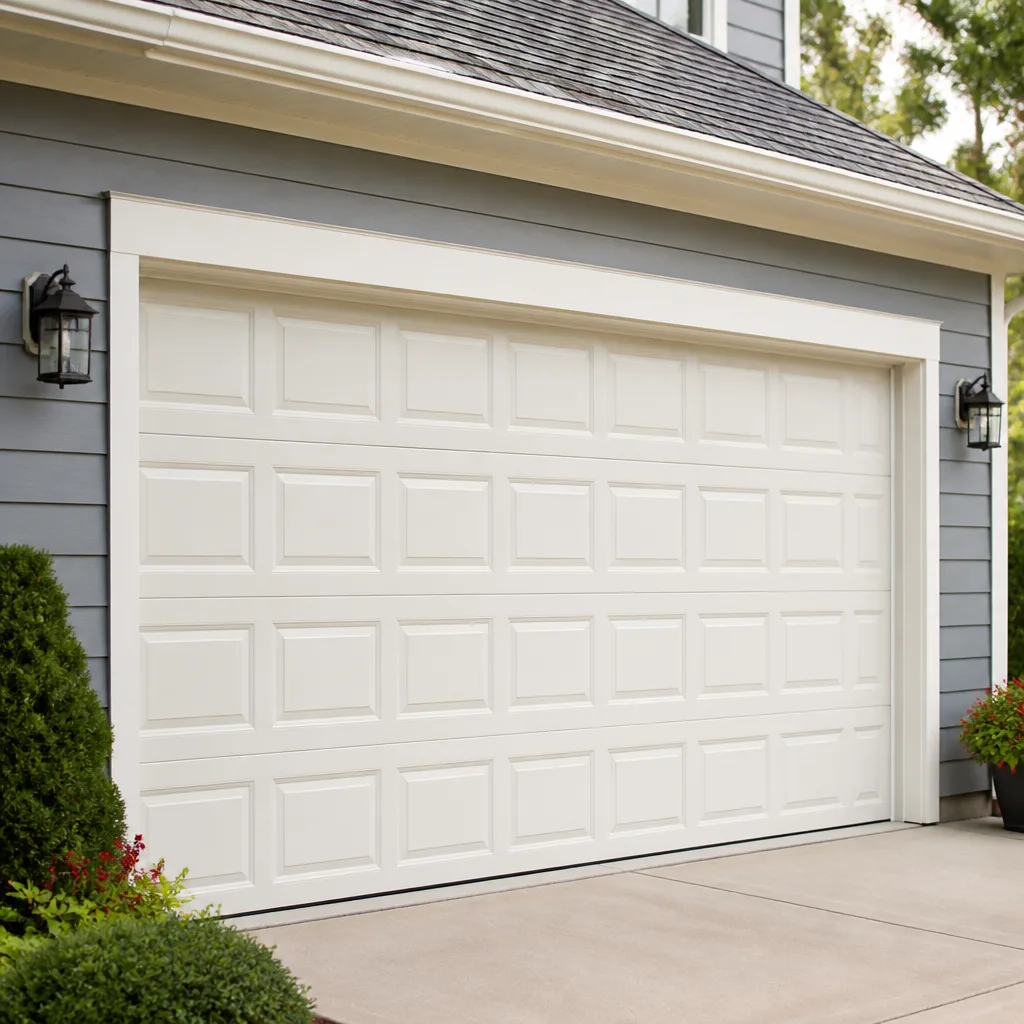 Raised-panel steel
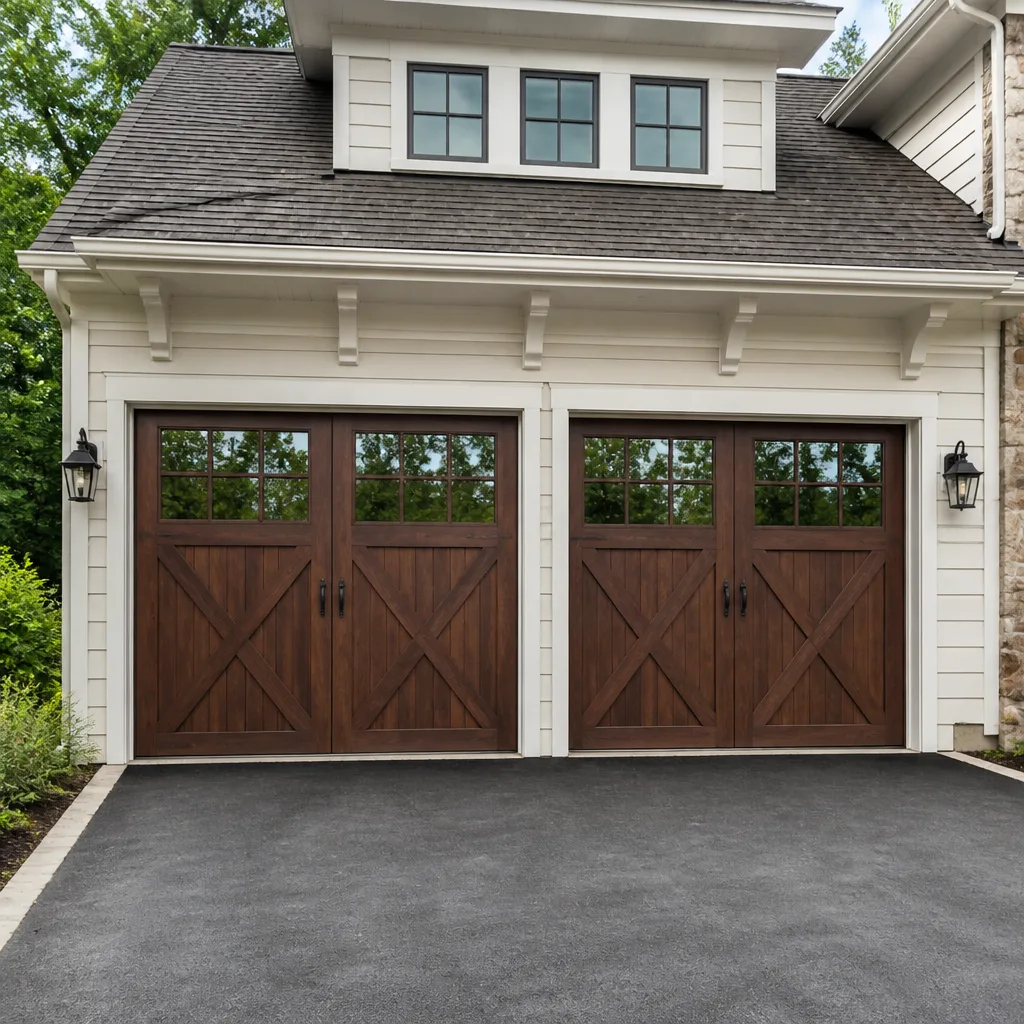 Carriage house
 Modern flush
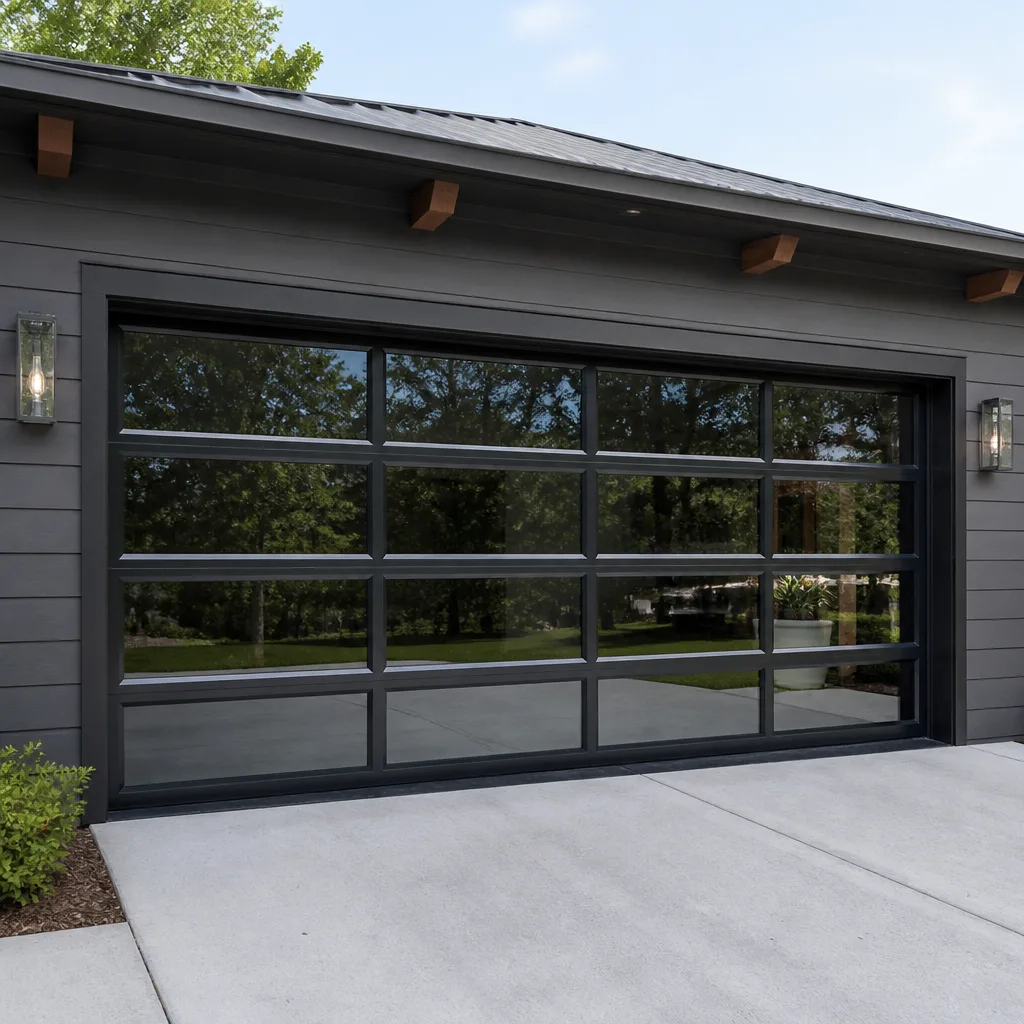 Full-view glass
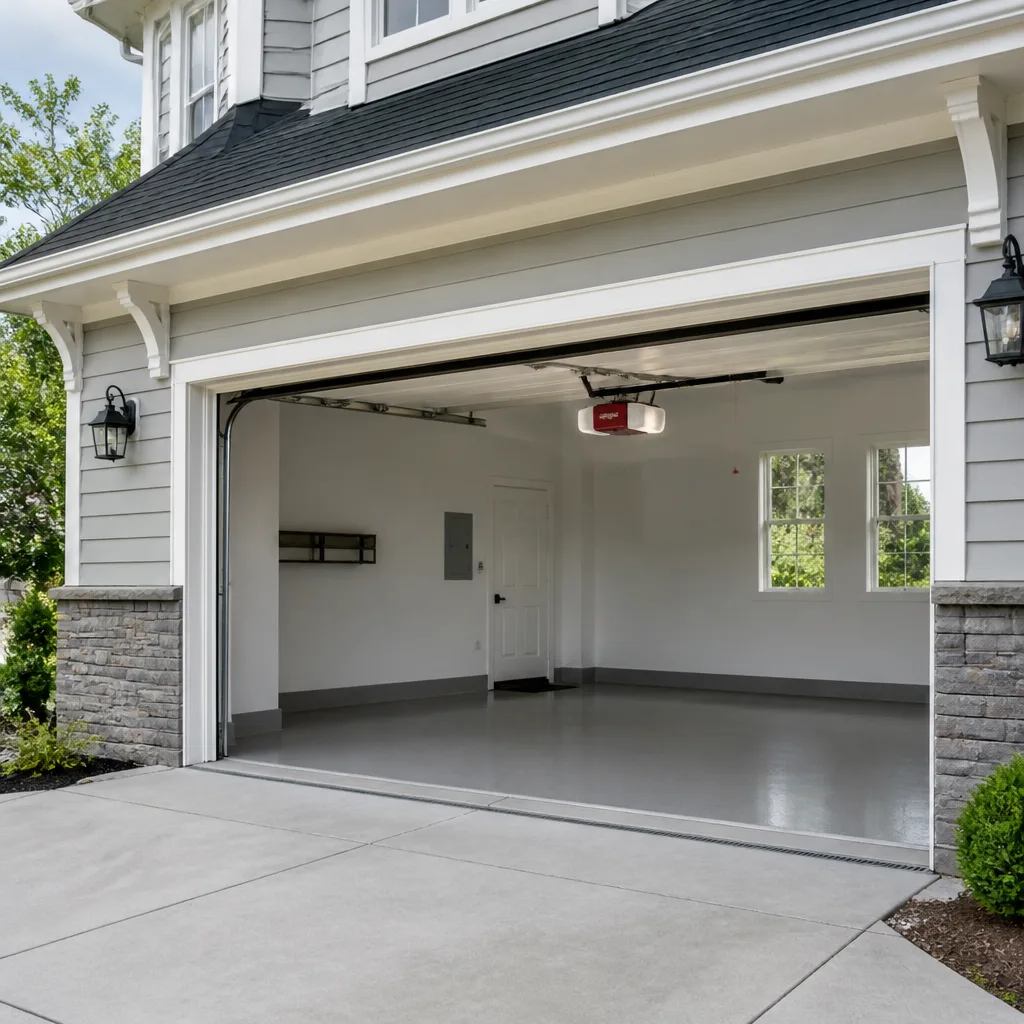 LiftMaster openers
 Chamberlain openers
Full 25-point door and opener safety check with every visit - springs, cables, rollers, tracks, and your LiftMaster or Chamberlain opener included
You get a price before we start. It does not change when the pro arrives.
Get your free estimateHow to Hire a Garage Door Contractor in Pungo: A Step-by-Step Guide
Pungo is not Virginia Beach proper. It’s the southern edge of the city where the roads thin out, the lots get bigger, and the nearest grocery run means passing farmland instead of traffic lights. That geography matters when you’re trying to get a garage door fixed. A contractor based 20 or 30 minutes away can look perfect on a search results page and still be the wrong hire for a home in Pungo, because distance, dispatch priority, and whether they actually stock the parts your door needs won’t show up in a star rating. This guide walks through how to vet a garage door contractor for a rural address, what to ask before you hire, how to read an estimate line by line, and how to verify licensing in a few minutes flat.
Quick Answer
To hire a garage door contractor in Pungo, confirm three things before you book: that the company’s service area genuinely covers your address (not just “Virginia Beach” on a map), that they stock springs, cables, and rollers locally rather than ordering them, and that their technician is Virginia-licensed and insured with documentation you can verify. Then compare written estimates line by line, not just bottom-line totals.
Styles & brands we work with
- Raised-panel steel
- Carriage house
- Modern flush
- Full-view glass
- LiftMaster openers
- Chamberlain openers
Table of Contents
- Why “Local” Means Something Different in Pungo
- How to Verify Actual Service Area Coverage
- Five Questions About Parts Inventory
- How to Read a Garage Door Estimate Line by Line
- License and Insurance: What to Ask and How to Verify It
- Why a Single-Trade Specialist Beats a Handyman
- The Safety Question You Should Always Ask
- Common Mistakes to Avoid
Why “Local” Means Something Different in Pungo
Search for a garage door company in Virginia Beach and you’ll get dozens of results. Search for one in Pungo and the pool shrinks fast. That’s the reality of a rural pocket inside a large city. Most garage door contractors operating in the region are based in the more developed parts of Virginia Beach, Chesapeake, or Norfolk, and Pungo addresses sit at the far end of their service radius. Some will drive out. Some quietly won’t, or will schedule you for an appointment slot days later because your address ranks low on their dispatch list.
This is not a knock on those companies. It’s basic logistics. But it changes the questions you need to ask, and it’s why the review-count approach that works in a dense suburb doesn’t translate here. A contractor with hundreds of reviews from Virginia Beach’s northern neighborhoods may be excellent and still be a poor fit for a Pungo home if they treat the southern edge of the city as a “when we’re in the area” job.
The practical effect for a Pungo homeowner:
- Response time depends on whether your address is on a route the crew is already working, or a special trip out.
- Parts availability matters more. A crew that has to drive back to a Virginia Beach warehouse for a torsion spring doubles your downtime.
- Warranty callbacks become the real test. A one-year warranty means nothing if the company treats a return trip to Pungo as an inconvenience.
- Dispatch wording tells you a lot. Ask directly: “Do you personally cover Pungo, and how far out do you schedule for this address?”
In our experience, the right questions in Pungo are less about reputation and more about commitment to the address. A contractor who serves the rural southern edge of Virginia Beach as a core part of their route will tell you so plainly.
How to Verify Actual Service Area Coverage
Almost every garage door company website lists “Virginia Beach” as a service area. That list is not a promise. It’s a marketing filter. The question is whether your particular address inside Pungo actually gets covered, and how quickly. Here’s a five-minute method to check before you call:
- Search the site for “Pungo” by name. A company that genuinely serves the area will often mention it. If Pungo appears nowhere and only Virginia Beach is listed, ask about the address directly on the phone.
- Check the company’s base location. If they’re in Norfolk or Chesapeake, measure the drive. A 35-minute drive each way is workable for a scheduled installation, but it’s a real factor for a same-day spring repair.
- Ask the dispatcher: “Do you have a route that runs through Pungo this coming week?” The answer tells you whether you’re on a route or a special trip. Someone who says “we’re out that way on Sunday” is more useful than “we can schedule you for a week from now.”
- Request the earliest available window and confirm it in writing. If the company can’t say when they’ll arrive on a service day, that’s a signal about dispatch discipline.
- Ask how they handle a warranty callback to a Pungo address. If the answer is vague, the warranty may be too.
For a full door replacement or new installation, timing is less critical than for a repair. Those jobs are measured, ordered, and scheduled, so a 25-minute drive doesn’t cost you anything. On a repair, though, distance translates directly into hours of a door that won’t open. When you need a same-day fix, call a company that can commit to a time, not one that just lists your city on a map.
Five Questions About Parts Inventory
This is the point most hiring guides skip, and it’s the one that matters most for a rural address. A contractor who doesn’t stock common parts locally will leave your door down for days while a spring or cable gets ordered. Before you book, ask these five questions:
- “Do you carry standard torsion and extension springs on the truck, or do you order them?” Most residential doors use a handful of common sizes. A contractor who knows this trade should be able to tell you whether they can size and install a spring on the same visit.
- “What brands do you stock parts for?” If your door is a Clopay or an Amarr, confirm they stock or can quickly get the right replacement parts. If it’s a Wayne Dalton, ask whether their proprietary hardware is something the contractor handles routinely.
- “How long does a special-order part typically take to arrive?” For a non-standard door or a heavy commercial-style opener, a special order is normal. What you’re screening for is whether the contractor is honest about the timeline rather than promising same-day on everything.
- “Do you carry rollers, hinges, and remotes in stock?” Small consumables should never be a reason for a second visit. If they’re out of stock on a common part like a roller or a remote, ask how quickly they can get it.
- “Do you have an opener in stock for common brands like Genie or Chamberlain?” A failed opener is one of the most common emergency calls. A contractor who stocks a few models can restore the door the same day.
Here’s why this matters in a rural pocket. A crew that has to leave Pungo, drive to a warehouse, and come back is not a minor delay. It can add hours to a job that should have been finished before lunch. When you’re hiring for a Pungo address, treat parts inventory as a qualification, not a bonus.
Our own approach to this is worth mentioning, because it’s the standard you should hold any contractor to. We work on the brand you already own, whether that’s Genie, Clopay, Amarr, or Wayne Dalton, and we arrive with the tools and common parts to do the job in one trip whenever possible. That’s what a specialist single-trade company should be able to promise.
How to Read a Garage Door Estimate Line by Line
A garage door estimate can be short, but every line should be identifiable. If you get a single bottom-line number with no breakdown, ask for the itemized version before you sign anything. A fair estimate separates labor, parts, and disposal, and it should also state whether a permit is required for the work (for most installation and structural repairs, you should ask your city’s building department to confirm).
Here’s what a complete estimate for a typical Pungo repair should show:
- Diagnosis and labor: an hourly or flat rate for the work, clearly separated from parts.
- Parts, itemized by name and quantity: for example, “two torsion springs, matched pair,” not “spring kit.”
- Disposal or haul-away: old doors and panels need to be removed, and that’s a real cost.
- Warranty terms: how long the part is covered and how long the labor is covered. These are often different.
- Payment terms: when the deposit is due and when the balance is due.
- Permit mention: if the work is a new installation or a structural change, the estimate should say whether a permit is included or whether the homeowner pulls it.
Red flags in a garage door estimate
- A ballpark price on the phone that gets revised upward after the technician arrives without a written explanation.
- Parts listed only as “miscellaneous” or “hardware.”
- No warranty in writing, or a warranty that’s vague about labor coverage.
- A pressure to replace the whole door when the problem is a spring, opener motor, or a single panel.
- No mention of disposal or haul-away, leaving you with an old door on your property.
The clearest question you can ask is: “Will this estimate be the price I pay?” A fair contractor answers yes, with the caveat that if the job reveals something unexpected once the door is opened up, they’ll call you before doing any additional work and get your approval. If anything else needs doing, you agree to it before the wrench is picked up. That’s the standard to hold to.
License and Insurance: What to Ask and How to Verify It
Virginia requires contractors who perform work above a certain dollar threshold to be licensed, and garage door installation and repair typically falls under contractor licensing rules. What you should ask for before any work begins:
- A Virginia contractor license number. Ask for it verbally and in writing, on the estimate.
- General liability insurance. Ask for a certificate of insurance naming the policy in force. The certificate should list the policy period and the coverage limits.
- Workers’ compensation coverage. If the company has employees, workers’ comp protects you from liability if someone is injured on your property.
- Written confirmation that the technician arriving is licensed. In Virginia, licensing can attach to the company or to the individual trade. Ask which applies.
Verifying a Virginia contractor license takes about three minutes. Go to the Virginia Department of Professional and Occupational Regulation (DPOR) website, enter the license number or company name, and confirm the status is active and the classification matches garage door work. Insurance certificates can be confirmed by calling the insurer listed on the certificate. If a contractor can’t produce a current certificate, that’s a hard stop.
When you call us, the local pro we connect you with is licensed and insured as their state requires. That’s the baseline. Don’t take it on faith from any company. Ask for the number and check it.
Why a Single-Trade Specialist Beats a Handyman
A handyman can replace a roller or a hinge. What a handyman generally cannot do is diagnose why a door is binding, why the opener is straining, or whether the torsion spring has lost tension unevenly. Garage door work involves tensioned springs under extreme load, geometry that has to be adjusted precisely, and compatibility with specific opener brands. A generalist is likely to replace the part that’s visibly broken rather than the one that’s actually causing the problem. That’s an expensive way to be wrong.
There’s also the accountability question. A single-trade company has a warranty that means something because the return trip is part of their standard business. A generalist may or may not come back, and often won’t want to. If a spring we install fails prematurely, we’re on the line for it. If a handyman installs a spring and it fails, the practical answer is often “call someone who does garage doors.”
Diagnostic accuracy follows from the same logic. A specialist sees the same five failure patterns week in and week out. They know which brand of opener (LiftMaster, Chamberlain, Genie, Chamberlain’s Craftsman line) tends to fail in which way, and they know which doors (Clopay, Amarr, Wayne Dalton) have panel or track quirks worth checking. That fluency turns a two-visit repair into a one-visit repair. For a Pungo address, where the drive from a specialist matters, one visit instead of two is worth more than a slightly lower hourly rate.
When you need garage door repair on a door that’s misbehaving, ask every contractor you call a single diagnostic question: “What’s the most likely cause of a door that goes up six inches and stops?” The specialist will run through opener force settings, a broken spring, and a misaligned track in about fifteen seconds. The generalist will ask you what brand your door is. That’s the tell.
The Safety Question You Should Always Ask
Torsion springs and cables on a garage door store enough energy to cause serious injury if released incorrectly. This is not a component to be handled with improvised tools or by a homeowner as a weekend project. If a spring has snapped and the door won’t open, the correct move is to leave the door alone until a trained technician arrives. Never try to force the door up. Never cut or adjust a cable under tension. And never reach into the track area while the door is even partially open.
Ask any contractor you’re considering a direct question: “What safety protocol do you follow for a torsion spring replacement?” A qualified answer includes the use of proper winding bars, a controlled release procedure, and a door lock-out before any work begins. If the answer is vague or rushed, that’s a genuine safety concern, not a matter of style.
This is the part of the trade we take most seriously. Springs are the most dangerous part of any garage door system, and we handle them with professional-grade tools and safety standards, not a DIY shortcut. For any garage door opener repair involving electrical components as well, you should also make sure the technician is comfortable with low-voltage wiring and the door’s safety-reverse feature, which is the system that stops the door from closing on a person or object.
Can You Hire a Contractor for a Full Door Replacement in Pungo?
Yes, and the process looks different from a repair. A replacement is a measured, ordered, scheduled job. The first visit is a measure and a proposal, not a fix. The contractor takes the exact opening dimensions, checks the headroom and the backroom, and confirms the door size. Then they order the panel and hardware. Then they schedule the install once everything has arrived. That sequence typically runs across days or weeks, not hours, and that’s normal.
When you’re comparing replacement proposals for a Pungo home, ask these questions:
- Is the door sized to the exact opening, or cut to fit on site? A door ordered at the correct size for your opening is a proper replacement; a door cut down on site may leave you with a gap or a compromised frame.
- Is disposal included? Old doors and springs need to be hauled away, and that should be itemized.
- Does the estimate separate the door, the hardware, the opener (if included), and the labor? Comparing whole-door quotes against labor-only quotes is apples and oranges.
- Is the opener compatible? If your opener is a LiftMaster, Chamberlain, or Genie, a new door will work with it, but the force settings and travel limits need to be reset by the installer.
For a full garage door installation, the best signal you can get from a contractor is a written measurement summary attached to the proposal. That means they’ve actually looked at your opening, not just quoted a standard size. Our technicians have up to 8 years of experience, and we’ve measured plenty of Pungo homes with non-standard door sizes from decades of building. Ask for the dimensions in writing.
Common Mistakes to Avoid
- Hiring on review count alone. Reviews are useful, but they don’t tell you whether the company covers your address or stocks parts. Ask the dispatch questions directly.
- Accepting a phone estimate without a written breakdown. A verbal ballpark is not an estimate. Ask for labor, parts, and disposal itemized before you agree.
- Skipping the license verification. It takes three minutes on the DPOR site. If a contractor won’t give you a license number, that’s your answer.
- Calling a handyman for a spring repair. Springs under tension are the most dangerous part of a garage door. Hire a specialist for the diagnosis and the repair, not a generalist.
- Not asking about warranty callback policy in Pungo. A warranty means nothing if the contractor treats the return trip as an inconvenience. Ask before you hire.
- Replacing the door when a part failed. A sticking or noisy door is often a roller, hinge, or opener issue. Get a diagnosis before you commit to replacement.
- Ignoring the dispatch plan. Ask for an arrival window and confirm it. A company that can’t commit to when they’ll arrive is a company that may not show up when they said they would.
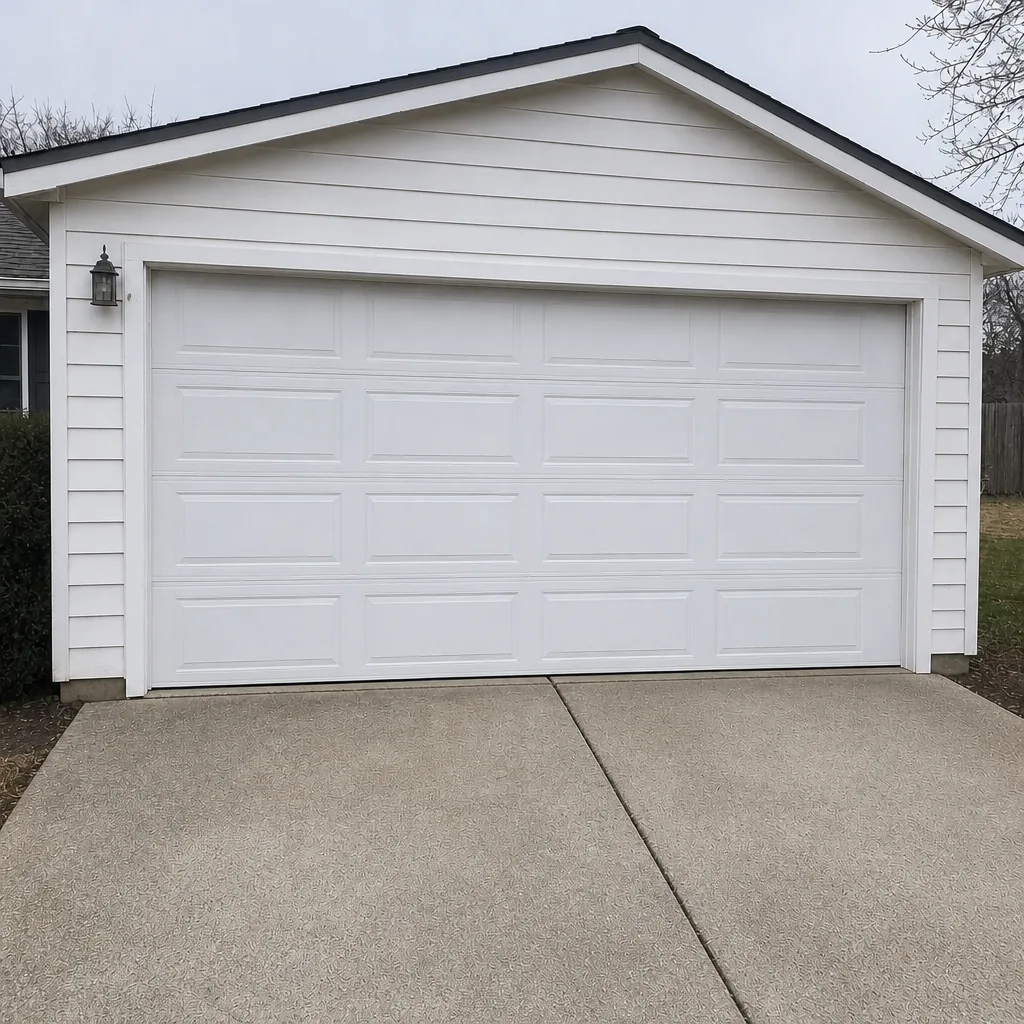
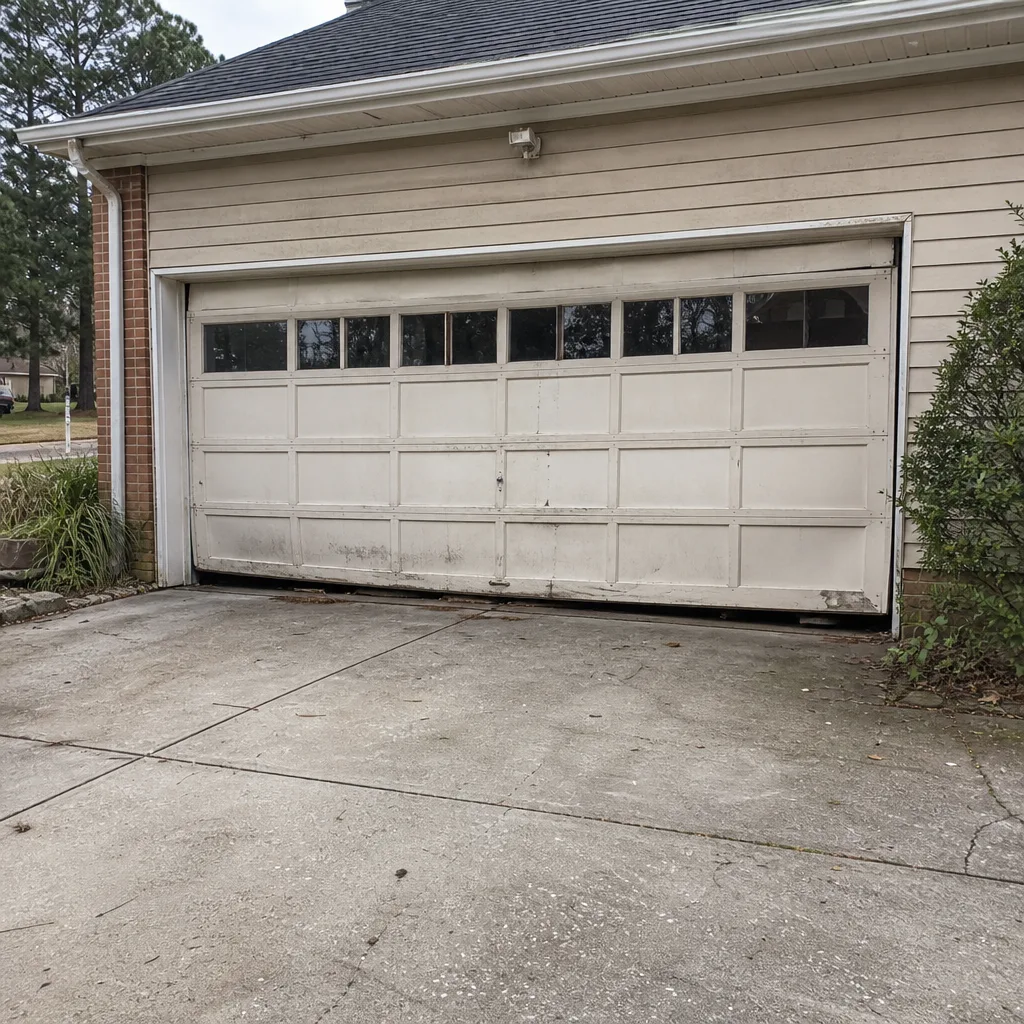
See the difference
 Before
 After
 Before
 After
 Before
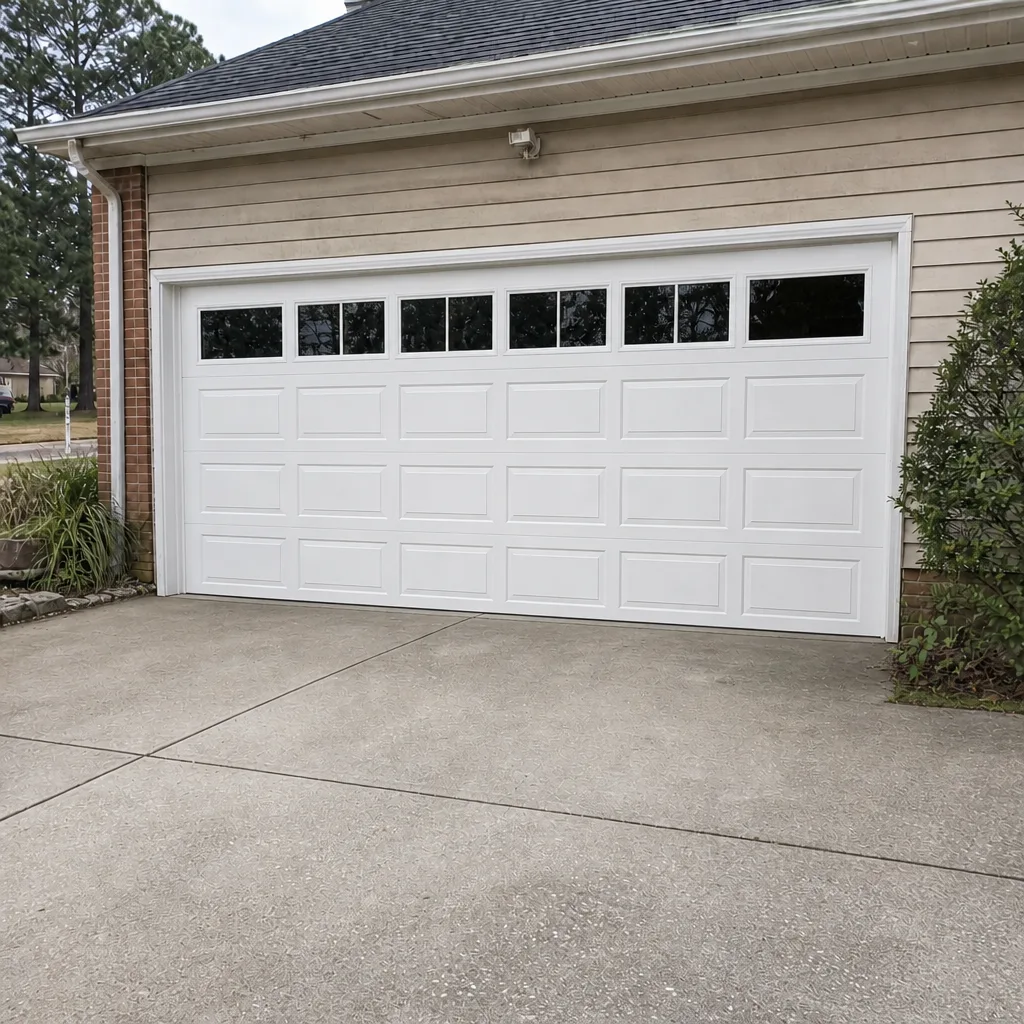 After
When to Call a Professional
Call a professional for anything involving a spring, a cable, or a door that won’t close fully and safely. These are not homeowner repairs. If the spring is broken and the door is stuck down, that’s a security issue and an access issue at the same time. If the door is closing unevenly or the opener is beeping and reversing, the safety-reverse feature may be failing. In each case, the right move is to leave the door alone and get a technician out.
For a routine repair, an opener that’s stopped responding, or a new door quote, the stakes are lower, but the questions in this guide still apply. Ask about service area coverage, parts inventory, license and insurance, and warranty. Then compare the written estimates line by line.
Garage Door Repair Pungo offers free estimates in Pungo, so you can get a written quote before you commit. Call (855) 683-7570. We answer 24/7. Fast dispatch from 7am to 7pm, Sunday through Friday.
Frequently Asked Questions
Ask the company directly whether they cover Pungo addresses as part of a regular route, not a special trip, and request the earliest available window in writing. Confirm the company’s base location and their drive time to your address, because a company based 30 minutes away has a real scheduling impact on repairs. If Pungo appears nowhere on their website’s service area, ask the dispatcher directly whether your address is included.
Ask five questions: whether they stock standard torsion and extension springs on the truck, what brands they stock parts for (Clopay, Amarr, Wayne Dalton, for example), how long special orders take, whether they carry rollers and remotes in stock, and whether they stock openers for common brands like Genie. A contractor who stocks common parts can finish the job in one visit instead of leaving your door down while a spring is ordered. For a rural address, that difference matters more than a slightly lower hourly rate.
A fair estimate itemizes labor, parts by name and quantity, and disposal, and states the warranty terms in writing. Ask for a breakdown before you sign anything, and ask whether a permit is required (for installation and structural work, check with the city’s building department). If the estimate is a single bottom-line number with no detail, request the itemized version. Then ask one more question: “Will this estimate be the price I pay?” A fair contractor will say yes, with the caveat that any additional work needed once the door is opened up gets your approval before it starts.
Virginia requires contractors who perform work above a certain dollar threshold to be licensed, and garage door installation and repair typically falls under contractor licensing rules. Ask for the license number in writing and verify it on the Virginia Department of Professional and Occupational Regulation (DPOR) website, which takes about three minutes. Ask for a certificate of general liability insurance and workers’ compensation as well, and call the insurer to confirm the certificate is current. When you call us, the local pro we connect you with is licensed and insured as their state requires.
A handyman can usually replace a roller or a hinge, but a specialist is a better hire for anything involving a spring, a cable, or a door that’s binding or misaligned. Springs are under extreme tension and require proper tools and a controlled release procedure. A specialist also diagnoses the actual cause of a problem instead of replacing the part that’s visibly broken, and a single-trade contractor’s warranty is usually more enforceable because the return trip is part of their standard business.
We answer 24/7. A call outside dispatch hours is booked into the next opening, Sunday through Friday, 7am to 7pm. We are closed on Saturday, so a door that fails on Saturday gets scheduled for the first available slot on Sunday. If you’re locked out or your door won’t close and you’re concerned about security, call anyway and we’ll get you on the schedule for the earliest opening.
The Bottom Line
Hiring a garage door contractor in Pungo is less about finding the company with the most reviews and more about finding one that genuinely serves your address. Ask about route coverage and drive time. Ask about parts inventory on the truck. Ask for a license number and verify it. Ask for an itemized estimate and a written warranty. And for anything involving a spring or cable, hire a specialist rather than a generalist. Those five questions will separate the contractor who shows up and finishes the job from the one who lists your city online but treats your address as an inconvenience.
If you’d rather skip the vetting and get a straight answer, we’re happy to help. We work on the brand you already own, we specialize in spring repair and opener diagnostics, and we tell you whether a repair or a replacement actually makes sense. Call (855) 683-7570 for a free estimate.
For a starting point on our services, see Garage Door Repair Pungo.
Written by the team at Garage Door Repair Pungo.