
Last updated November 22, 2026
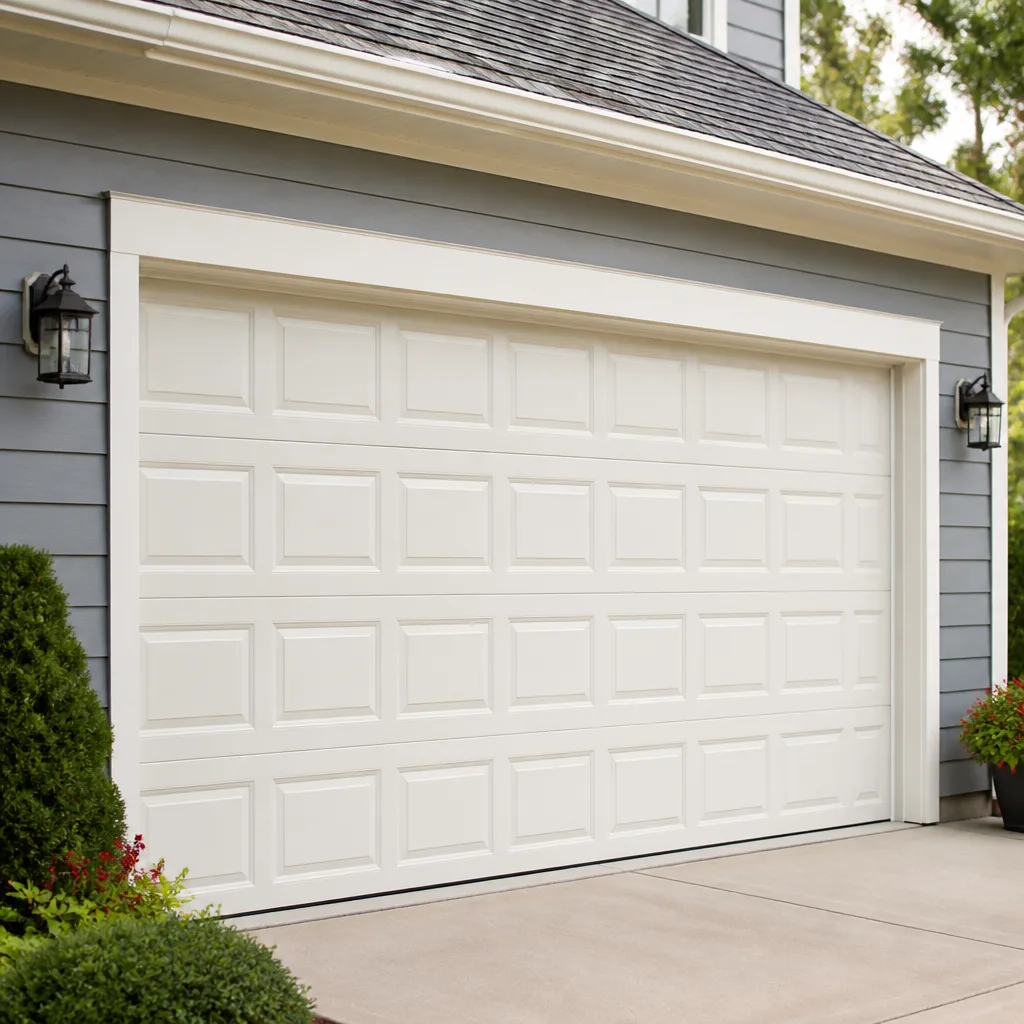 Raised-panel steel
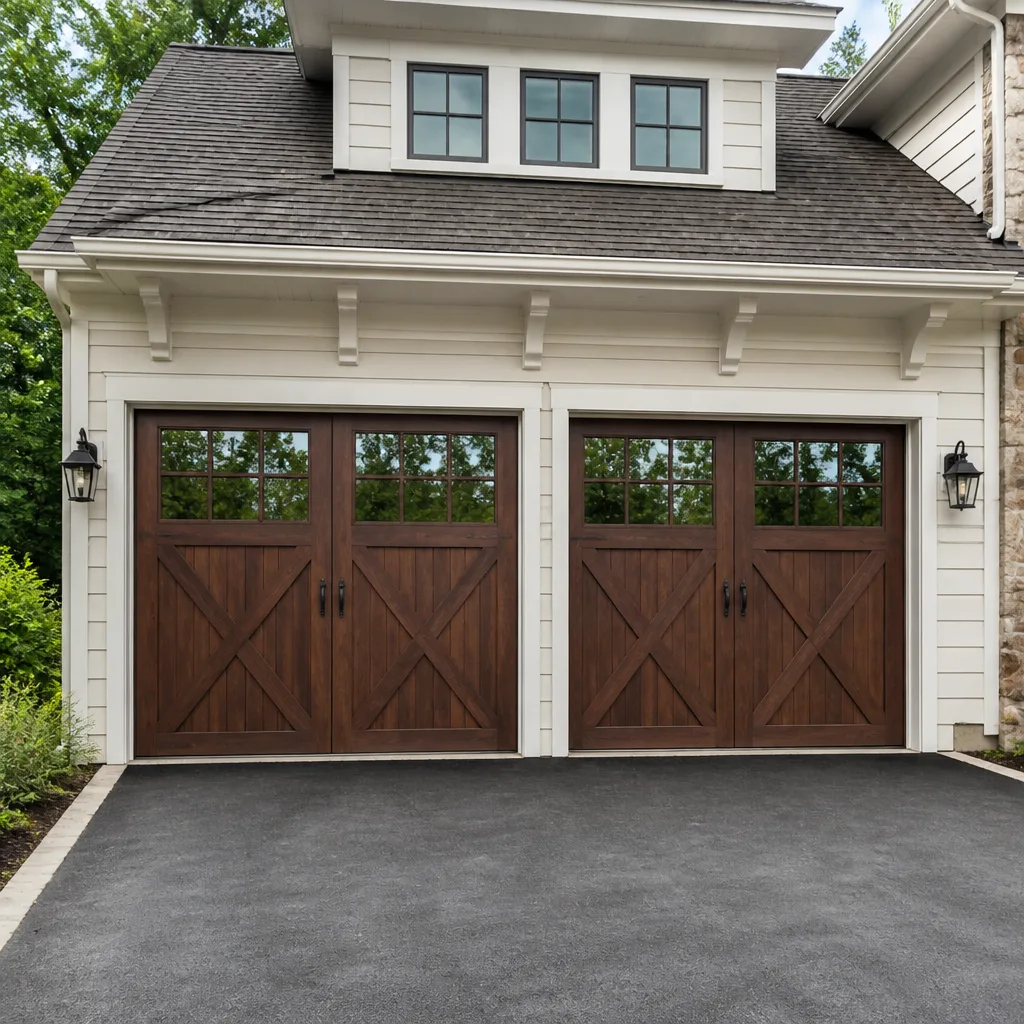 Carriage house
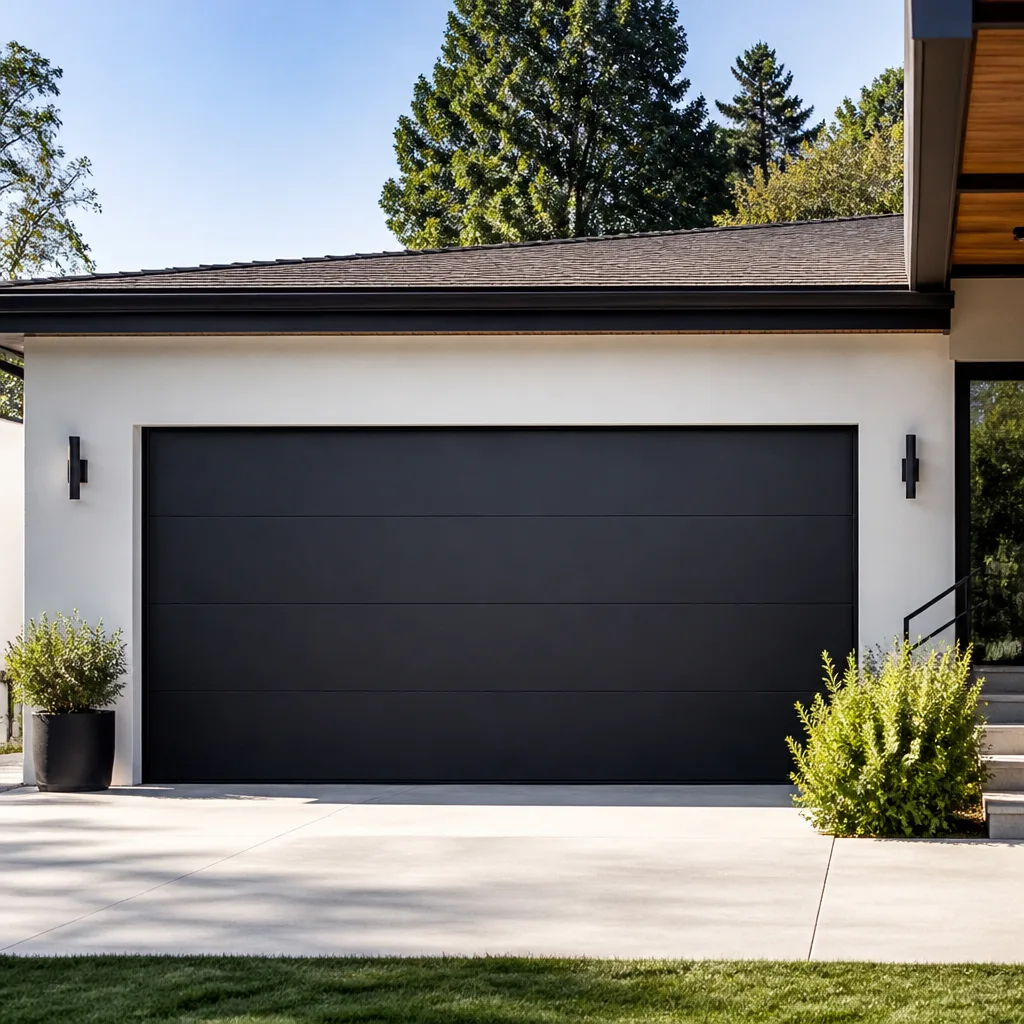 Modern flush
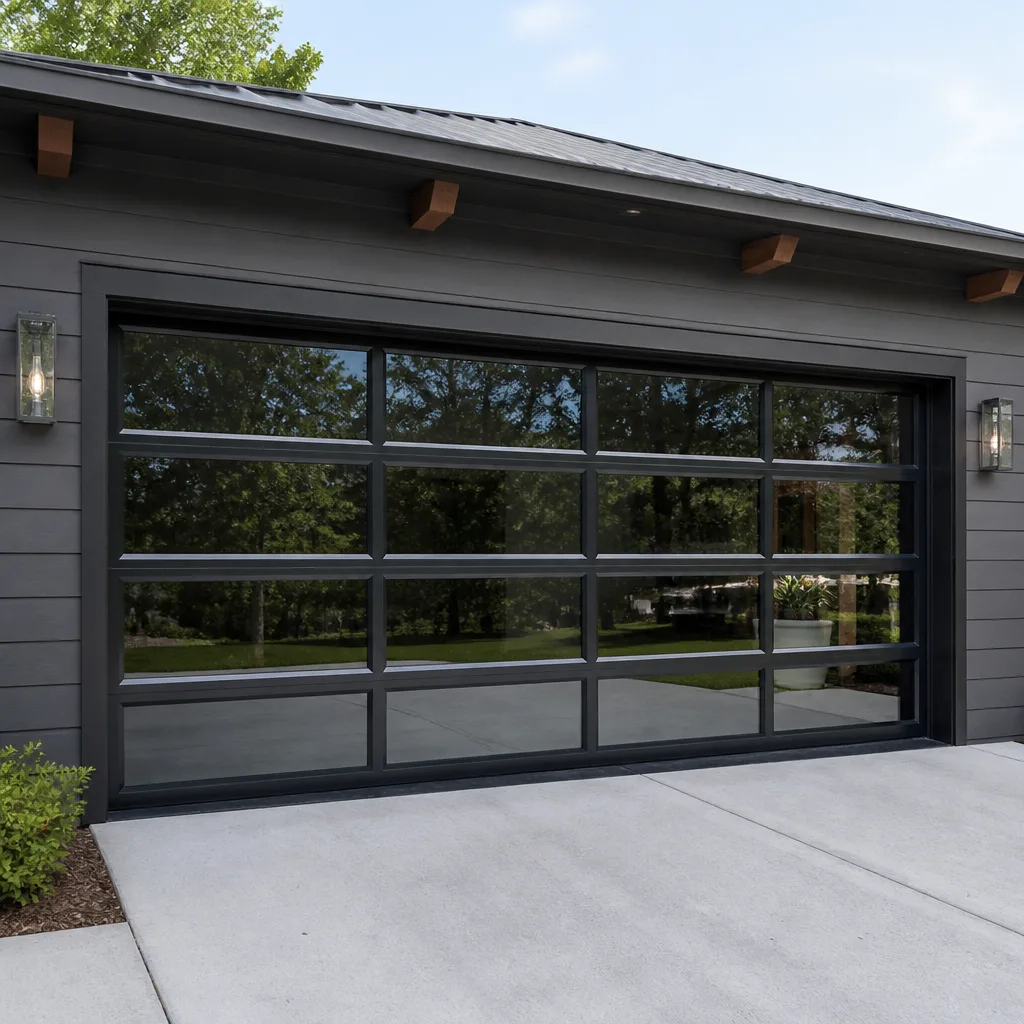 Full-view glass
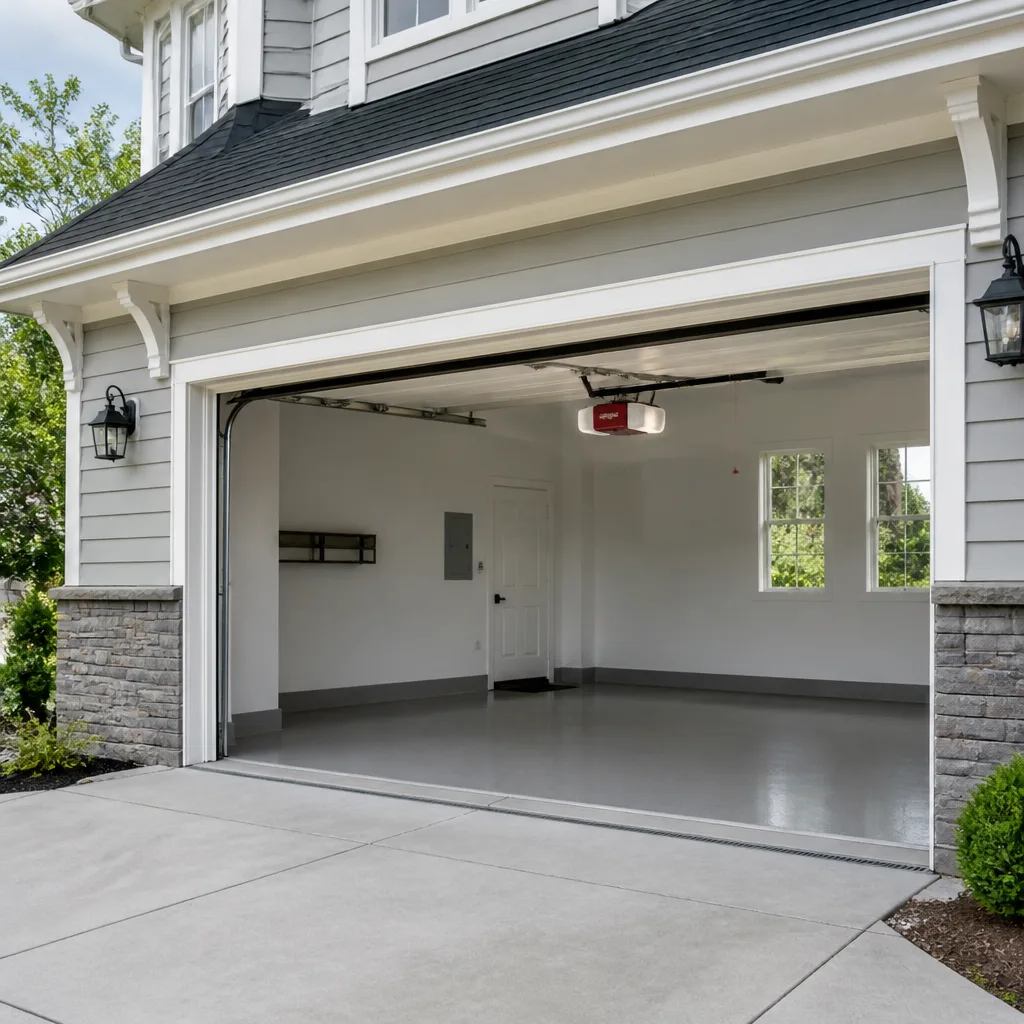 LiftMaster openers
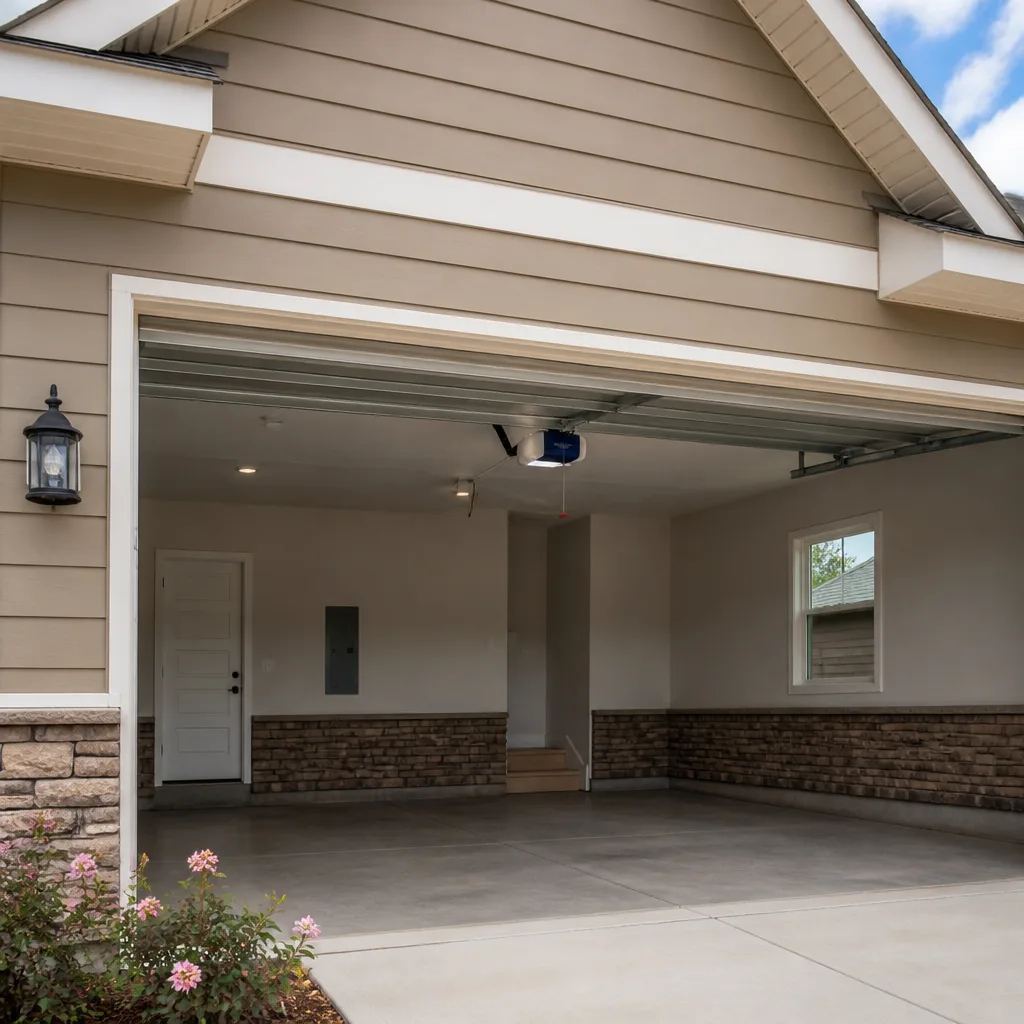 Chamberlain openers
Full 25-point door and opener safety check with every visit - springs, cables, rollers, tracks, and your LiftMaster or Chamberlain opener included
You get a price before we start. It does not change when the pro arrives.
Get your free estimateThe Complete Guide to Garage Doors in Pungo
Most garage door guides are written for suburban subdivisions, and that gap costs Pungo homeowners real money. A cul-de-sac house with an attached garage and a paved apron has very little in common with a rural property off a gravel lane where the garage stands apart from the house and the nearest neighbor is a field away. The doors look similar. The demands on them don’t. We’ve worked on both kinds of systems, and the failures we see in Pungo tend to trace back to advice built for the wrong setting: hardware chosen for a climate that isn’t ours, openers sized for a garage that isn’t shaped like yours, sensors placed for a driveway that stays level and dry. This guide maps the decisions a Pungo homeowner actually faces, from spring sizing on a detached building to the panel material that survives our temperature swings. Whatever brand you own, we work on it, and this is how to think through it before you spend a dollar.
Quick Answer
A garage door in Pungo needs to handle humidity, seasonal temperature swings, and the uneven ground that comes with rural properties, which means hardware choice and spring sizing matter more here than in a typical subdivision. Repair is usually the right call for a door under roughly 15 years old with one clear problem, while a door past 20 years with repeated failures or visible structural wear is generally a replacement conversation. For anything involving springs, cables, or the torsion assembly, the safe move is a trained technician, not a weekend project.
Styles & brands we work with
- Raised-panel steel
- Carriage house
- Modern flush
- Full-view glass
- LiftMaster openers
- Chamberlain openers
Table of Contents
- How Pungo’s Setting Changes Garage Door Wear
- Climate, Panel Materials, and What Holds Up
- Detached Garages: Spring and Opener Sizing
- Gravel Driveways, Uneven Ground, and Sensor Alignment
- Repair or Replace? A Decision Map by Age
- Openers and Brand Compatibility
- Springs, Cables, and Safety
- What Garage Door Work Costs in Pungo
- Common Mistakes to Avoid
- When to Call a Professional
- Frequently Asked Questions
How Pungo’s Setting Changes Garage Door Wear
Pungo sits where rural Virginia meets the Virginia Beach corridor, and that position creates a mix of conditions most garage door content never addresses. Homes here range from older farm-style properties with outbuildings to newer construction on generous lots. The one constant is that the garage door often does the job of a front door: it’s the entry people use every day, sometimes several times a day, and it’s frequently the only door on a detached structure. A system that handles that traffic needs to be specced for it, not for a suburban two-car attached garage that gets opened twice daily.
Humidity is the slow culprit. The Pungo area gets the same sticky summers as the rest of the Virginia Beach corridor, and that moisture settles on metal hardware, hinges, rollers, and springs. Where an inland home might have hardware that lasts years with little attention, the same parts here benefit from periodic lubrication and inspection. You’ll notice it first as squeaking, then as stiff rollers and hinges that bind. If your garage is unheated or detached, condensation forms on cold steel in humid weather and sits there. That’s not a crisis, but it’s a maintenance rhythm worth knowing.
Temperature swings do a related kind of work. Metal expands in summer heat and contracts in winter cold. Most of that movement is harmless until a panel or hinge fitting is already stressed. Then the swing finds the weak point. In Pungo, we see panel and hardware fatique patterns driven less by any single extreme event and more by the daily in-and-out of a climate that runs from muggy to brisk over a year. That’s one reason we recommend an annual look-over rather than waiting for something to break.
The practical upshot is schedule. A door that’s fine on an inland property may need attention sooner here, and a Pungo homeowner who knows the local rhythm can catch small issues before they cost money.
Climate, Panel Materials, and What Holds Up
Panel material is one of the few garage door decisions you make once and live with for a long time, so it’s worth getting right for Pungo conditions. The three common choices are steel, vinyl, and wood composite, and each behaves differently in a humid, swingy climate.
- Steel: The most common choice, and for good reason. Steel panels handle humidity better than wood, hold paint well, and are available in heavier gauges that resist dents. A heavier gauge is worth it on a door that gets daily use. The weak spots are the bottom edge, where moisture collects, and any field-cut panel edges exposed to the weather.
- Vinyl: Resists moisture and rot well, which suits a humid climate. It’s generally lighter and holds up without painting. The trade-off is that vinyl can become brittle in cold and is less forgiving of impact than steel.
- Wood composite: Gives you a wood look with better moisture resistance than solid wood. It holds stain and paint well and resists rot. It still needs periodic refinishing to stay protected, and it’s typically the most expensive of the three.
For most Pungo homes, steel in a heavier gauge is the workhorse choice, with vinyl a solid option where the look matters and wood composite for homes that want the natural appearance. What matters more than the material name is how the door is finished and sealed: a well-sealed steel door will outlast a poorly sealed one of any material.
Seasonal temperature swings make insulation worth thinking about too. An insulated door holds its own against heat and cold, cuts noise, and is a reasonable choice for an attached garage where the door separates living space from the outside. On a detached garage where the door doesn’t touch the house, insulation matters less for energy and more for durability and quiet operation. When we quote a new door, we’ll tell you which one you actually need for your building, not which one has the biggest margin.
Detached Garages: Spring and Opener Sizing
Detached garages are common on rural Pungo properties, and they’re where generic advice falls apart fastest. A detached garage changes the math on springs and openers in ways that attached suburban garages don’t expose. The door itself might be larger, heavier, or older than what you’d find on a newer house. The building may be unheated. And the person specifying the hardware needs to account for all of it.
Springs are matched to the actual weight of the door, not to a label. Two doors that look identical can need different springs if one is insulated and the other isn’t, or if the panel gauge differs. A spring that’s undersized for the door will wear out faster and strain the opener; one that’s oversized can throw off balance. On a detached garage where the door is heavier or the opening is wider, this matters even more. We weigh and balance the door before choosing springs, because getting this wrong is how doors end up with repeated spring failures.
Openers have the same issue. A standard residential opener can be fine on a lighter door and struggle on a heavy, wide one. On a detached garage you also have to consider power routing: the opener needs a reliable circuit, and a remote building sometimes has a circuit that shares load with something else. We check all of this before recommending an opener, and we work on LiftMaster, Chamberlain, Genie, and other major brands so we’re not steering you toward a replacement you don’t need.
- Weigh the door and balance it. Springs are chosen from the actual door weight, not from a guess based on looks.
- Confirm the opening and track dimensions. Detached garages often have non-standard widths and ceiling heights that change the opener and rail choice.
- Check the power and mounting. A solid circuit and a properly braced ceiling mount matter on a separate building.
- Match the opener to the door. A heavy door needs an opener rated for the load, not the cheapest unit on the shelf.
If your detached garage door has started acting tired, a proper sizing check is the first step, and it’s part of what we do on a garage door repair visit.
Gravel Driveways, Uneven Ground, and Sensor Alignment
Safety sensors are the most common source of “my door won’t close” calls in Pungo, and the reason is usually the ground, not the sensors. The two photo-eye sensors sit low on either side of the opening and need a clear, level line of sight between them. On a gravel or uneven rural driveway, that line gets disturbed. Gravel shifts under a tire, frost moves the ground, and a sensor mounted on a slightly loose bracket drifts out of alignment. The door then refuses to close, or closes partway and reverses.
The bottom seal has a parallel problem. On an uneven apron, the seal doesn’t make full contact along its length, which lets in weather, mice, and drafts. A seal that’s the right material and properly fitted handles minor unevenness; a worn or wrong-sized one doesn’t. If your garage floor meets a slope, the seal and the sensor height need to be set with that slope in mind.
Here’s what to check before you call, framed as what to look for rather than what to do:
- Are both sensors facing each other squarely, or has one drifted out of line?
- Is anything in the path between them, including tall gravel or debris?
- Is the LED on each sensor solid, or blinking, which usually signals a misalignment or obstruction?
- Does the bottom seal contact the floor evenly across the opening, or are there visible gaps?
If a sensor is mounted poorly or a bracket is loose, the fix isn’t just realigning it once; it’s mounting it so it stays put on your ground. That’s the kind of thing we sort out on a garage door repair call, and it’s usually quick.
Repair or Replace? A Decision Map by Age
The repair-or-replace question is where Pungo’s older housing stock makes a real difference. Door systems on the area’s established homes can be older than what you’d find in newer construction, and the age of the system drives the answer more than any single symptom. Here’s how we think it through.
- Under roughly 10 years old: Repair. A single failure (a spring, a roller, an opener issue) on a younger door is almost always worth fixing. The door itself has plenty of life left.
- Roughly 10 to 15 years: Repair is usually right, but look at the pattern. One problem, fix it. Two or three in a short stretch, ask whether the underlying door is the issue.
- Roughly 15 to 20 years: Judgment call. If the panels are sound and the hardware is the only problem, repair makes sense. If panels are dented, rusted at the bottom, or the door is unbalanced, replacement starts to win.
- Past 20 years: Lean toward replacement, especially with repeated failures, visible structural wear, or a door that no longer seals well. At that age, you’re often spending on a system that’s near the end of its service life.
The pattern matters more than the number. A 12-year-old door that’s failed once is not a replacement candidate. A 16-year-old door that’s had three spring failures in two years is telling you something. We look at the door’s structure, balance, and sealing, not just the symptom that brought you to call. Whether it’s a repair or a full replacement, we’ll tell you which one you actually need, and we can handle either, from garage door repair through new garage door installation.
Openers and Brand Compatibility
Opener problems are the second most common reason people call, and they’re often simpler than they look. A door that won’t open, opens partway, or reverses can be an opener issue, a sensor issue, or a door balance issue, and the fix depends on which. A good diagnosis saves you from replacing an opener that’s fine, or from ignoring a door problem that will just strain a new opener the same way.
Brand compatibility is where a specialist earns their keep. We service LiftMaster, Chamberlain, Genie, Clopay, Amarr, Wayne Dalton, Craftsman, and Raynor, which covers the vast majority of what a Pungo homeowner is likely to have. That means we’re not telling you to replace your whole system because we only know one brand. We work on the opener you already own, diagnose the actual fault, and repair it when repair is the right call.
Common opener faults we see:
- Door reverses or won’t close: often sensors, sometimes a misaligned track or a binding door.
- Opener runs but door doesn’t move: a stripped gear, a broken carriage, or a disconnected arm, depending on the drive type.
- Door is loud or jerky: worn rollers, loose hardware, or a door that’s out of balance and forcing the opener to work too hard.
- Remote or keypad won’t work: remote pairing, dead batteries, or logic board issues.
On a garage door opener repair call, we test the opener and the door together, because an opener problem usually has a door problem behind it. If you’re starting fresh with a new door, the opener choice comes after the door is specified, not before.
Springs, Cables, and Safety
Springs are the most dangerous part of any garage door. A torsion spring or a pair of extension springs holds the weight of the door under real tension, and releasing that tension improperly can cause serious injury. Every year, people are hurt trying to adjust or replace springs themselves, which is exactly why we treat this as a professional-only job. We use professional-grade tools, proper winding bars, and controlled procedures on every spring job, and we recommend the same caution to anyone considering it.
Cables carry the same warning. A cable under tension that slips or snaps can cause serious injury. If you see a frayed cable, a door hanging unevenly, or a broken spring, the safe response is to stop using the door and have it looked at, not to try to fix it in place. For the torsion assembly and cables, we don’t give step-by-step instructions, because the risk isn’t worth it. What we do instead is make the repair fast and safe: we control the tension, replace the worn parts, and balance the door before we leave.
The same duty of care applies to the opener’s safety reverse feature. Modern openers have a pressure or photo-eye safety system that stops the door if something is in the way. If that feature is failing, the door is a hazard, and it needs attention. We check it as part of any opener service. If a door fails on a Saturday, keep it closed if you can and call us; we’re closed on Saturday but book the next opening for Sunday. That’s the one time our schedule bends, and it’s deliberate.
What Garage Door Work Costs in Pungo
Pricing is where most guides go vague, so here’s a straight answer to the tune of typical ranges, not a promise. Garage door work in Pungo is priced per job by a written estimate, and the written estimate is the price. These ranges are typical for the area and give you a sense of scale before you call.
| Job | Typical Range | Notes |
|---|---|---|
| Spring replacement (one spring) | $200 – $350 | A matched pair is usually replaced together, so a pair runs about twice this. |
| Opener repair | $150 – $300 | Depends on the fault; a gear or board replacement can sit at the higher end. |
| Roller and hinge replacement | $100 – $250 | Often bundled with a tune-up on a noisy or stiff door. |
| Sensor realignment or replacement | $100 – $200 | Common on uneven or gravel driveways. |
| New door installation | By written quote | Driven by size, material, and insulation; measured and scheduled, never same-day. |
A few things to know about how these numbers work. The spring figure is for one spring. Because a matched pair is usually replaced together, a pair typically costs about twice the single-spring range, which is why we quote the pair when that’s what the door needs. The price is quoted and agreed before any work starts, so there’s no surprise invoice at the end. And on a repair or emergency call, we can usually get you back up and running today; new door installations are measured, ordered, and scheduled, so we don’t promise same-day on those.
What we won’t do is quote a number on the phone and stick to it regardless of what we find. The written estimate sets the price. Call (855) 683-7570 for a free estimate.
Common Mistakes to Avoid
- Letting a generic guide set your spring size. Springs are matched to the door’s weight, and on the heavier or wider doors common on Pungo detached garages, a standard size is often wrong. Get the door weighed and balanced.
- Replacing one spring of a pair. When one spring in a matched pair breaks, the other is usually the same age and tension, so replacing both together is the durable fix. A single replacement often means a second call soon after.
- Ignoring sensor alignment on a gravel driveway. A sensor that drifts out of line on shifting ground causes phantom “won’t close” faults. Mounting it properly is what prevents the repeat call.
- Choosing panel material for looks alone. In a humid climate with real temperature swings, steel gauge and proper sealing matter more than a finish that fades or needs constant refinishing.
- Forcing a door that’s out of balance. If the opener is straining, the problem is often the door, not the opener. Replacing the opener without fixing the balance just wears out the new one.
- Trying a spring or cable repair yourself. Springs and cables are under high tension and can cause serious injury. This is the one area where calling a technician is really the only safe path.
- Waiting until a small issue becomes a big one. A squeak, a stiff roller, or a door that’s slow to close is a cheap fix early and an expensive one later. An annual look-over catches most of it.
When to Call a Professional
Some garage door issues are genuinely quick fixes; others are safety calls. Call us if the door won’t close or reverses partway, if you see a broken spring or a frayed cable, if the door hangs unevenly or feels heavy to lift, or if the opener strains or makes grinding noises. These point to problems that get worse and can become hazardous. A door that’s just loud or a sensor that keeps drifting is also worth a visit but isn’t urgent. If a door fails and you’re locked out of secure storage, that’s our emergency service: call and we’ll book the next opening, and note that we’re closed on Saturday. Garage Door Repair Pungo offers free estimates in Pungo. Call (855) 683-7570. We answer 24/7. Fast dispatch from 7am to 7pm, Sunday through Friday.
Frequently Asked Questions
Spring replacement in Pungo typically runs about $200 – $350 for one spring, and a matched pair costs roughly twice that because both are usually replaced together. The written estimate sets the final price, and it’s agreed before any work starts. Call (855) 683-7570 for an exact quote; estimates are free.
In most cases, yes. A door stuck open is a security and access problem, and it’s the kind of call we prioritize. We answer 24/7, and fast dispatch runs 7am to 7pm, Sunday through Friday. A call outside dispatch hours is booked into the next opening. Call (855) 683-7570 and we’ll get you back up and running today when we can.
No. The price is quoted and agreed before any work starts, and the written estimate is the price. If we find something different once we’re on site, we tell you before doing anything, so there’s no surprise invoice. Call (855) 683-7570 for a free estimate.
Yes. The local pro is licensed and insured as their state requires, and our technicians have up to 8 years of experience. We also hold certified service on LiftMaster, Chamberlain, Genie, Clopay, Amarr, Wayne Dalton, Craftsman, and Raynor, so we work on the brand you already own. Call (855) 683-7570 for a free estimate.
A door that reverses on a gravel driveway usually has a misaligned or blocked safety sensor. Gravel shifts, brackets loosen, and the photo-eye line gets broken. We mount sensors so they stay put on uneven ground, which stops the repeat fault. Call (855) 683-7570 for a free estimate.
Repair is usually right for a door under about 15 years old with a single clear problem, while a door past 20 years with repeated failures or visible structural wear is generally a replacement conversation. The pattern of failures matters more than the age alone. Call (855) 683-7570 and we’ll tell you which one you actually need.
The Bottom Line
Garage doors in Pungo live under conditions that generic guides miss: humidity that works on hardware, temperature swings that find weak points, detached garages that need heavier springs and matched openers, and gravel driveways that throw sensors out of line. Get the panel material and spring sizing right for your building, keep hardware lubricated, and check sensors and seals when they misbehave. Repair makes sense on younger doors with a single fault; replacement wins on old doors with a pattern of failures. For anything involving springs or cables, call a trained technician rather than risk an injury. Whether it’s a repair or a full replacement, we’ll tell you which one you actually need. Call (855) 683-7570 for a free estimate; we answer 24/7 with fast dispatch from 7am to 7pm, Sunday through Friday.
Written by the team at Garage Door Repair Pungo.
See the difference
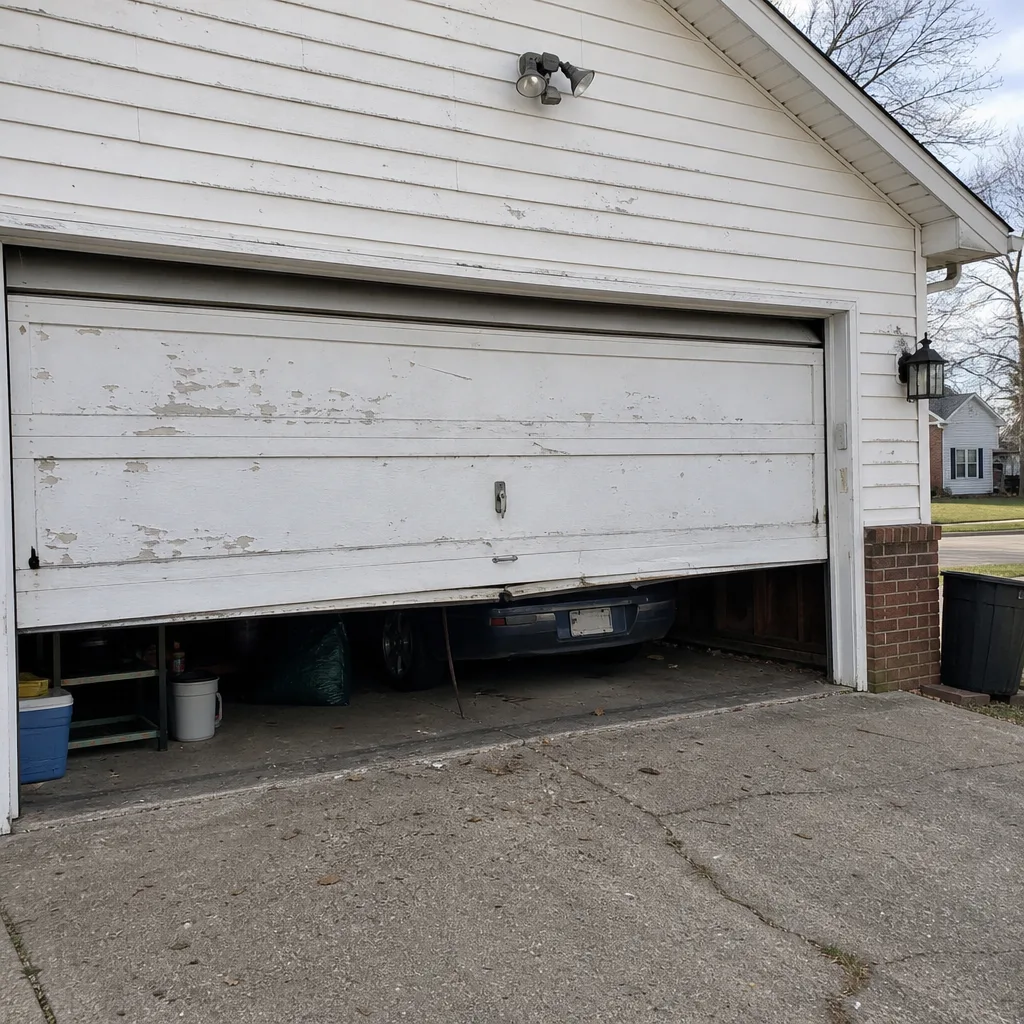 Before
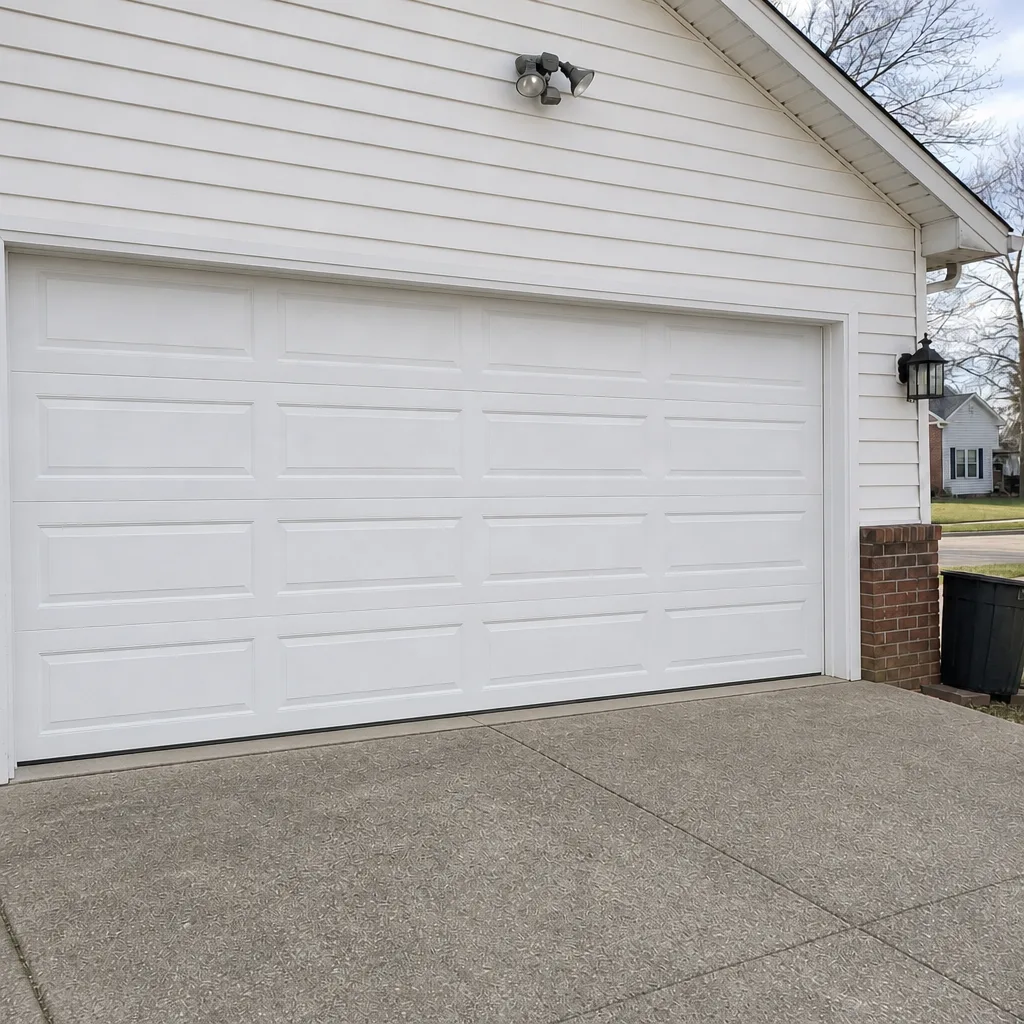 After
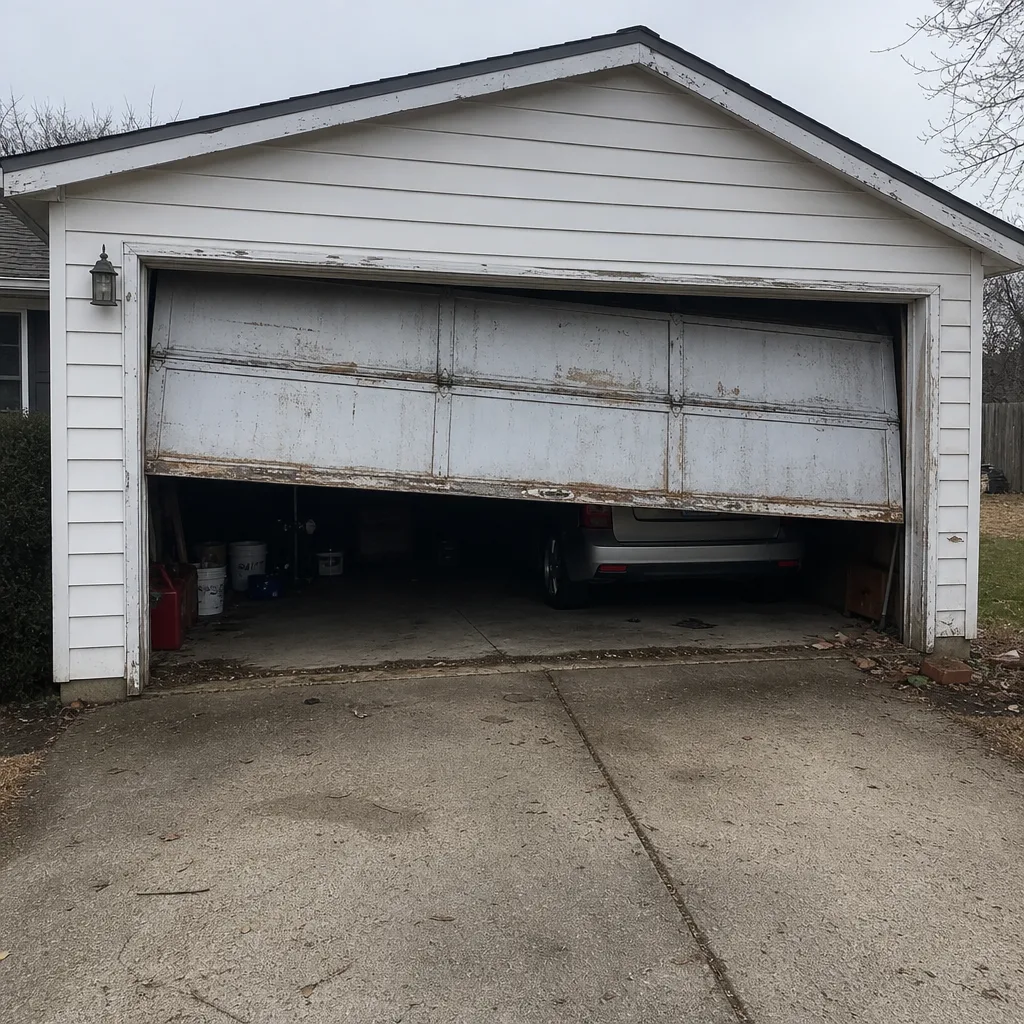 Before
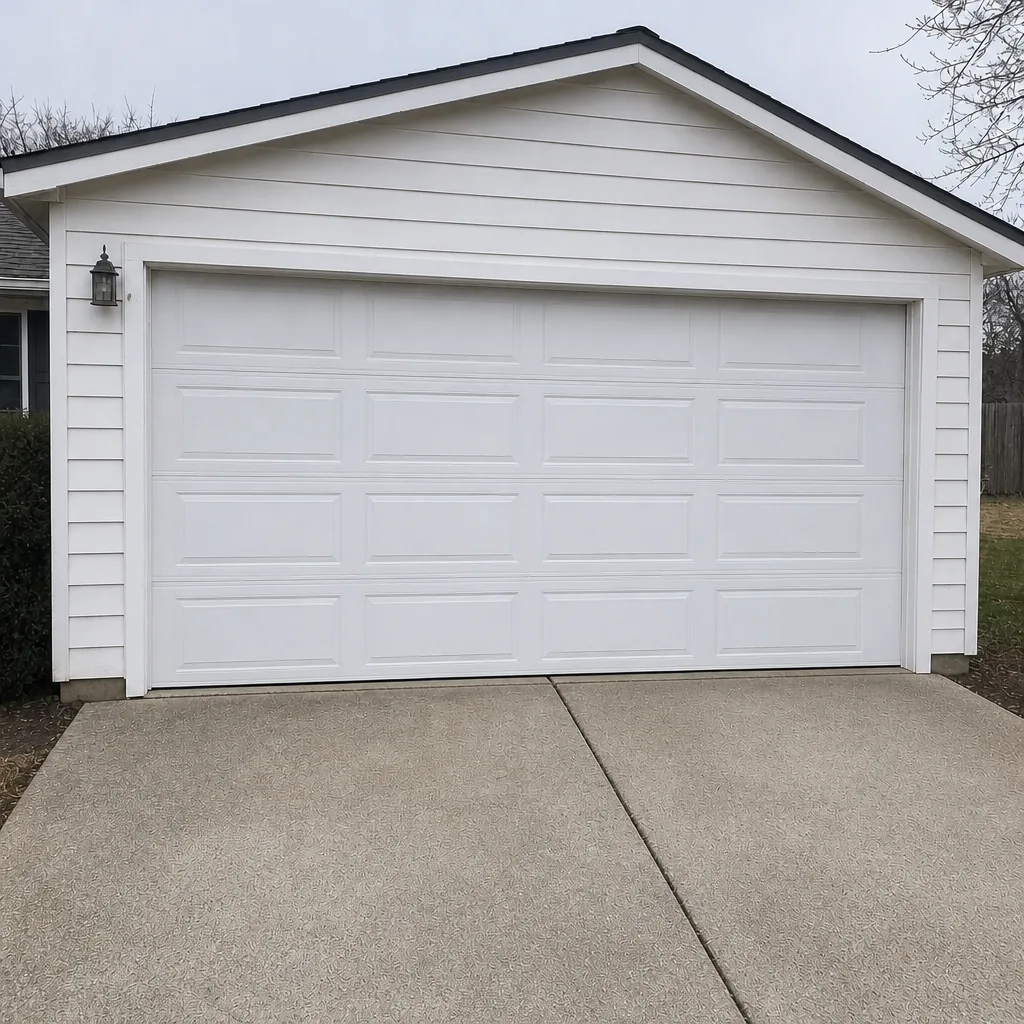 After
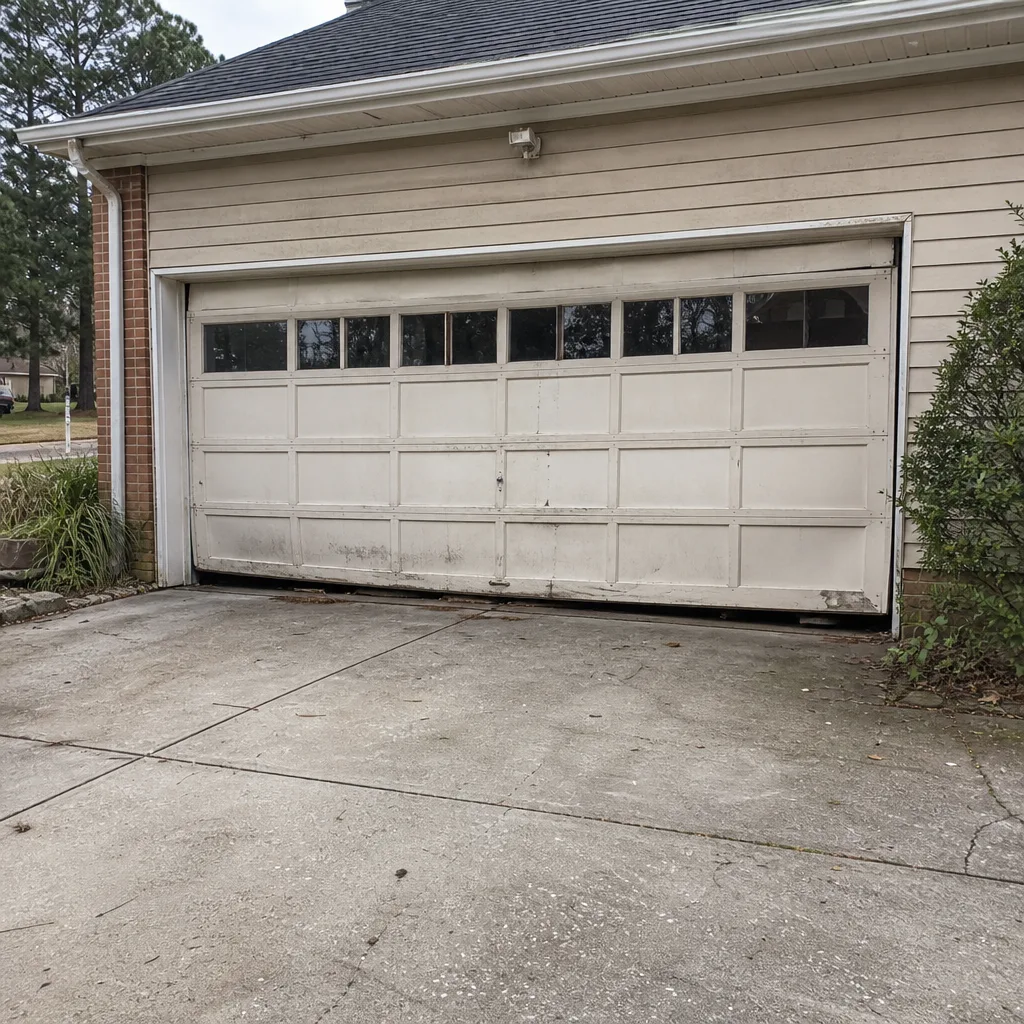 Before
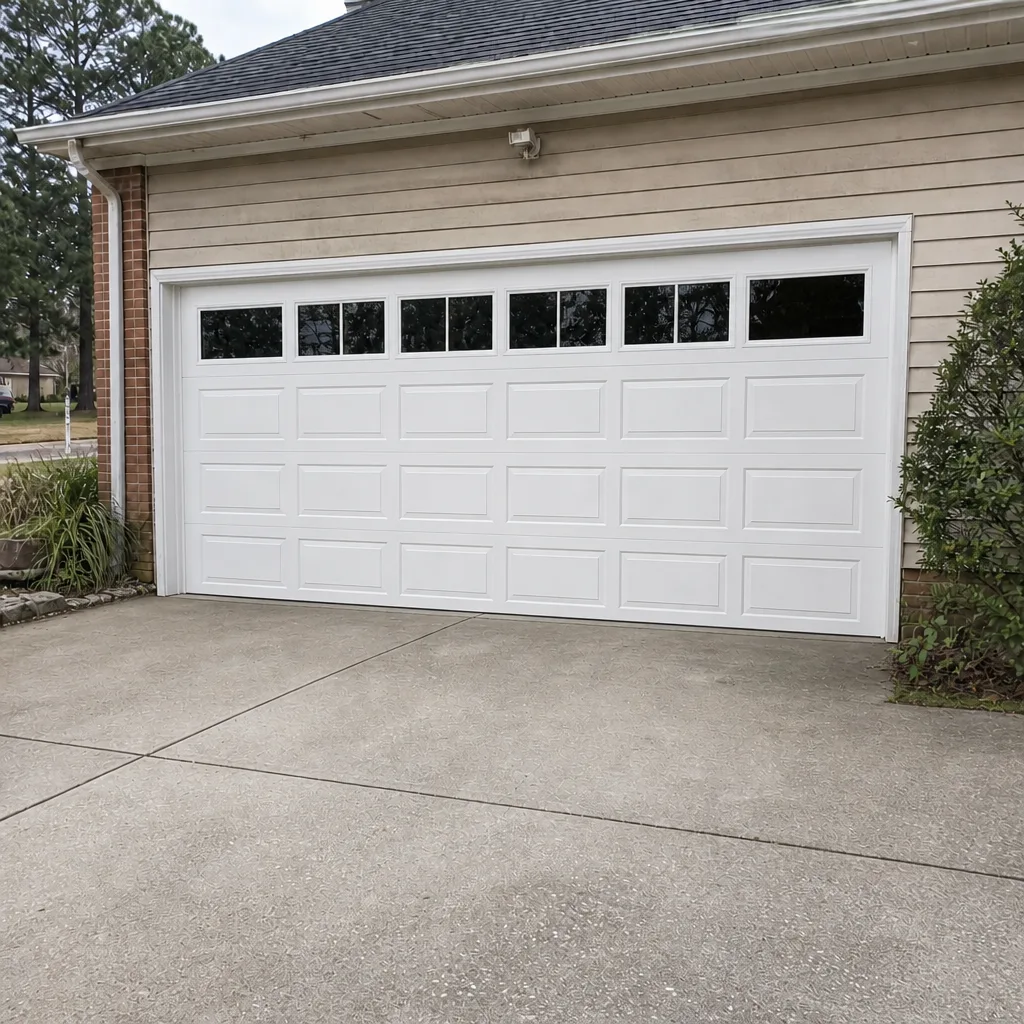 After