
Last updated November 22, 2026
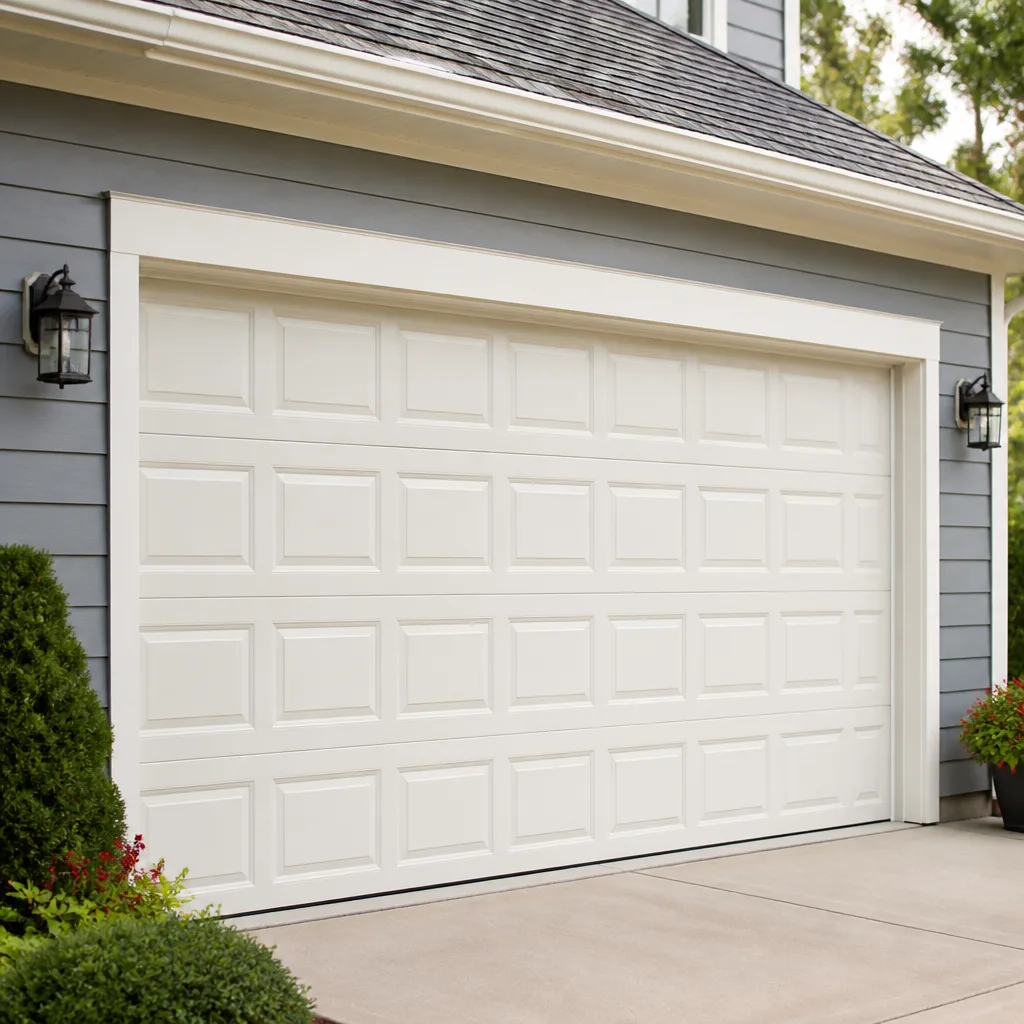 Raised-panel steel
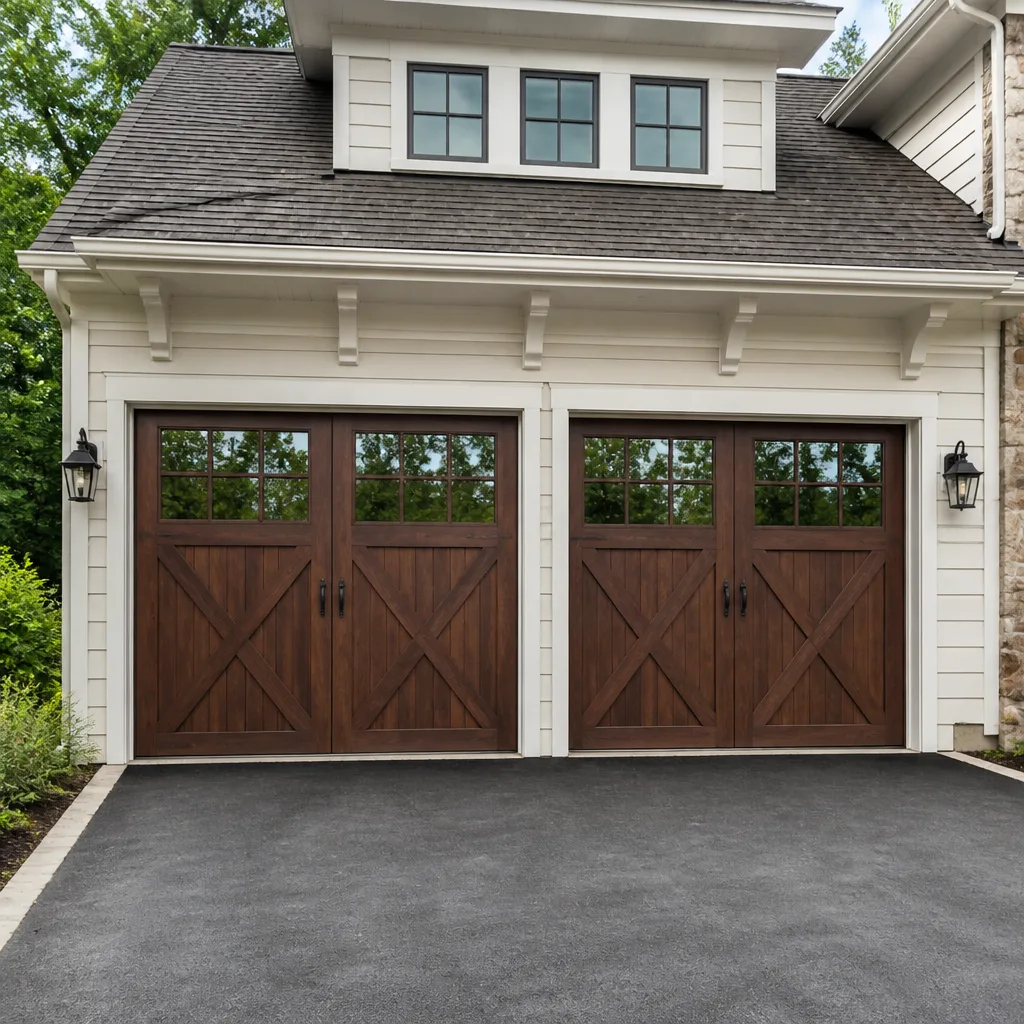 Carriage house
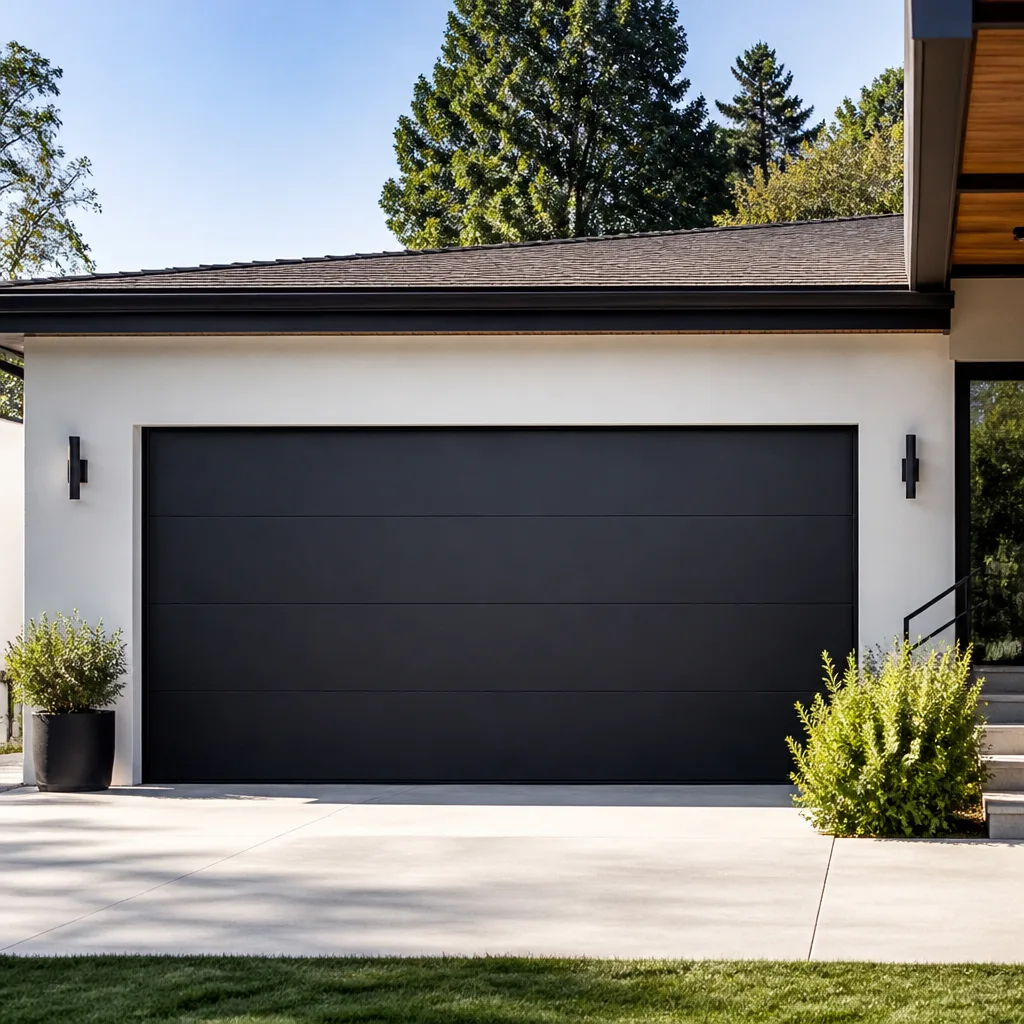 Modern flush
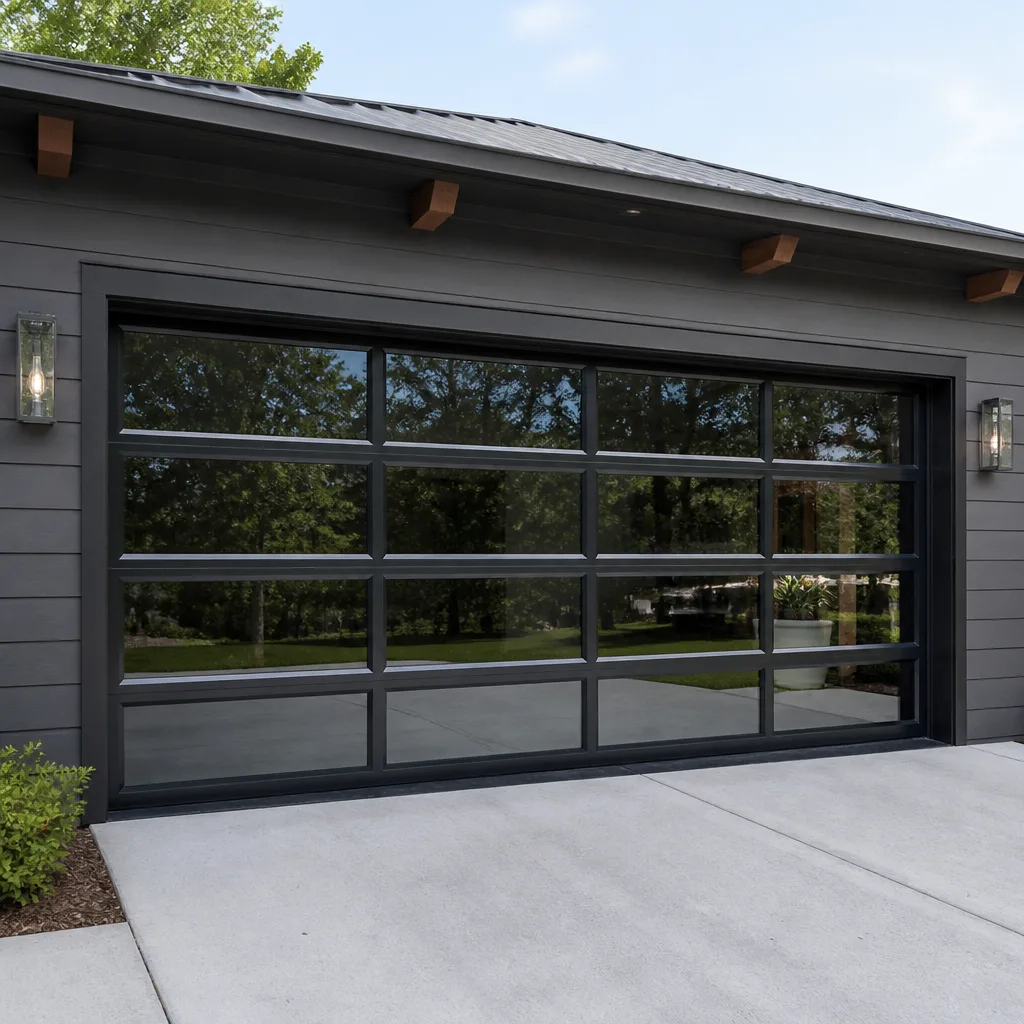 Full-view glass
 LiftMaster openers
 Chamberlain openers
Full 25-point door and opener safety check with every visit - springs, cables, rollers, tracks, and your LiftMaster or Chamberlain opener included
You get a price before we start. It does not change when the pro arrives.
Get your free estimateGarage Door Emergency Preparedness Guide for Pungo Homes
Most garage door advice assumes a technician can reach you in an hour and that your biggest problem is a mildly inconvenient morning. Pungo doesn’t work that way. When a door fails out here, you’re often dealing with a longer wait, a longer driveway, and a plan that has to hold up without anyone showing up quickly. If a spring snaps or an opener dies during a storm watch, the nearest help may be tied up for a day or two, and what you do in those first hours decides whether you’re stuck, exposed, or simply inconvenienced. This guide covers what to do before, during, and after a garage door emergency in Pungo, from the correct manual release procedure to pre-storm checks and a 15-minute kit that covers most failures.
Styles & brands we work with
- Raised-panel steel
- Carriage house
- Modern flush
- Full-view glass
- LiftMaster openers
- Chamberlain openers
Quick Answer
A garage door emergency in Pungo is manageable if you have three things ready: a working manual release, a way to secure the door from outside, and a clear understanding of what not to touch. Never force a door with a broken spring, never pull the release cord while the door is under tension, and always secure the opening before nightfall. Everything else can wait for a trained technician.
Table of Contents
- Why Garage Door Emergencies Hit Differently in Pungo
- How to Manually Disengage and Operate Your Door Safely
- How to Secure a Garage Door From the Outside
- What to Do When the Door Is Stuck Down With a Car Inside
- Pre-Storm Preparation for Pungo Homes
- Building a 15-Minute Garage Emergency Kit
- Why Broken Springs Are the One Failure You Don’t Handle Yourself
- Common Mistakes to Avoid
- When to Call a Professional
- Frequently Asked Questions
- The Bottom Line
Why Garage Door Emergencies Hit Differently in Pungo
A failed garage door is a nuisance in a dense suburb. In Pungo, it can shape your whole day, or your whole week. The distance between homes, the reliance on a vehicle for nearly every errand, and the way storms move across this part of Virginia all change what “emergency” means. A door that won’t close during a heavy rain band isn’t just annoying. It’s a soaking wet garage, water tracking into the house, and possibly a car you need tomorrow.
The housing stock matters too. Many Pungo homes sit on larger lots with detached or semi-detached garages, longer driveways, and doors that see more cycles than a typical suburban door because the garage really is the front door. That’s a lot of wear on springs, cables, rollers, and openers. It also means a failure that would be a minor annoyance elsewhere can shut down access entirely out here.
Weather is the other factor. Pungo sits in a part of coastal Virginia that sees hurricane-season wind and rain, and while the direct hits are rare, the tropical systems that pass nearby can bring sustained wind and heavy water. A door that was already weak, with a worn spring or a tired opener gear, often fails exactly when you need it most. That’s not bad luck. It’s predictable wear meeting predictable weather.
The point isn’t to worry you. It’s to say plainly that a Pungo homeowner benefits from a garage door emergency plan the way a rural homeowner benefits from a generator or a spare well pump. The plan itself takes about 15 minutes to build. It’s the difference between a Tuesday you handle and a Tuesday that handles you.
How to Manually Disengage and Operate Your Door Safely
When the opener stops working, most modern doors have a manual release that lets you operate the door by hand. It’s a simple system, but the details matter, especially when a spring is involved. Before you touch anything, look at the door. If a spring above the door is visibly broken – a clear gap in the coil – stop and read the next section. Do not attempt to lift a door with a broken spring by hand. It can weigh well over 150 pounds, and the imbalance can drop it on you or the car underneath it.
If the springs look intact and the door is simply stuck because the opener has failed, here’s the safe sequence:
- Close the door first if it’s partially open. Let gravity do the work while you have control. Never disengage the opener with the door halfway up.
- Locate the release cord. It’s the rope with a handle hanging from the trolley on the opener rail. On LiftMaster and Chamberlain openers it’s usually red. On Genie units it may be black or clear.
- Stand clear of the door’s path. Position yourself to the side, not underneath.
- Pull the cord straight down and slightly toward the door. A firm, steady pull is better than a yank. You should hear the trolley disconnect from the carriage.
- Lift the door slowly with both hands. If it feels much heavier than usual, stop. That’s a sign of spring or cable trouble, and it’s now a professional job.
- To re-engage, pull the cord back toward the opener and run the door up and down once by hand until the carriage clicks back in.
On some older openers, particularly older Craftsman or Genie units, the release mechanism may be a lever rather than a cord. Same principle: close the door, stand clear, release, then test the weight by hand before you lift.
If your door uses a wall-mounted jackshaft opener rather than a ceiling unit, the release procedure is different and often requires a specific key. If you’re not sure which style you have, look at the opener itself – if it’s mounted to the side of the torsion bar rather than the ceiling rail, treat it as a jackshaft and call before acting. We work on all these configurations and can walk you through what to expect on your specific unit, but the pull-the-cord step is not the same for every model.
How to Secure a Garage Door From the Outside
If your automatic lock mechanism has failed, the door won’t latch, or you’ve had to manually raise the door and can’t get the opener to re-engage, securing the opening from the outside is the next priority. A garage door that won’t lock is an open door, and in a rural setting, that’s a distance-and-darkness problem as much as anything else.
There are three practical ways to lock a residential garage door from the outside when the automatic lock is compromised:
- Vise grips on the track. Clamp a pair of locking pliers on the vertical track just above the bottom roller, on both sides, to prevent the door from being raised. This is the fastest temporary fix and requires no tools beyond the pliers themselves.
- C-clamps above the rollers. A pair of C-clamps placed on the track above the bottom roller accomplishes the same thing and is less likely to slide under pressure. This is why C-clamps belong in your emergency kit.
- Manual slide bolt or exterior lock. Many doors have a slide bolt on the inside that you can access from a side door, or a lock handle on the outside if the door was made with one. On newer Clopay and Amarr doors, the exterior lock is often integrated with the handle. Check yours before you need it, because discovering it’s not there at 9pm is the wrong time.
If none of these work and the door is fully open, park a vehicle in front of it if you can and treat the garage as open storage. That’s not ideal, but it’s honest. Then call us. Emergency garage door service exists exactly for this – a door that leaves your home exposed – and we can usually walk you through the best temporary measure before a technician arrives. If you’re not sure whether your situation qualifies as urgent, call and ask. Call (855) 683-7570. We answer 24/7. Fast dispatch from 7am to 7pm, Sunday through Friday.
What to Do When the Door Is Stuck Down With a Car Inside
This is the one that disrupts a day fastest, and it’s surprisingly common. The opener runs but the door doesn’t move, or the door goes up a few inches and stops. Either way, the car is trapped and the garage is sealed. Here’s how to think through it before you call anyone.
First, check the small stuff. On Chamberlain and Genie openers, the most common cause of “door stuck down” is a safety sensor issue: the two small eyes at the bottom of the tracks must see each other. If something has knocked one out of alignment, or if a spider web or leaf is blocking the lens, the opener will refuse to lift the door. Straighten the sensors, wipe them off, and try again. On LiftMaster units with MyQ, the wall control may show a diagnostic code – check the manual before doing anything drastic.
Second, check the manual release. If the opener is receiving power and the sensors are fine, the trolley may have disengaged. Pull the release cord, lift the door by hand (only if the springs are intact), pull the car out, then deal with the opener later.
Third, check the springs and cables. If the door is unusually heavy or you can see a broken coil, stop. Never stand under the door, never try to lift it by hand, and never prop it with a broomstick or a ladder. Call for professional service. A compressed spring or a snapped cable is a serious hazard, and this is where DIY attempts cause real injuries.
Fourth, check the transmitters and the wall control. A dead battery in the remote, or a wall panel that’s been pressed into “lock” mode, can make it look like the opener has failed when it hasn’t. Most LiftMaster and Chamberlain wall panels have a lock indicator light that tells you if the vacation lock is engaged.
If you’ve been through all four and the door is still down, that’s when it moves into professional territory. We’ve been to plenty of Pungo calls where the issue was something simple – a misaligned sensor, a tripped breaker, a jammed trolley – and plenty where it wasn’t. The point is to know your own limits and call when you reach them. Call (855) 683-7570. We answer 24/7. Fast dispatch from 7am to 7pm, Sunday through Friday.
Pre-Storm Preparation for Pungo Homes
Hurricane season runs from June through November, and Pungo sits in a part of Virginia where tropical systems, nor’easters, and severe thunderstorms can all bring wind loads that stress a garage door. The time to prepare isn’t five hours before a storm makes landfall. It’s the week before the season starts, or a quiet Saturday in April. Here’s what to check and what to do.
- Check the door’s wind rating. Most modern garage doors are engineered to specific wind-load ratings, and the rating is printed on the door’s spec label, usually on the inside face near the bottom panel. If you can’t find it, the door manufacturer’s documentation (Clopay, Amarr, and most others publish theirs online) will tell you by model. If your door predates modern wind standards, it was likely never rated for high wind, and you should think of it as a fair-weather door.
- Inspect the door hardware. Look for rust on the hinges, sagging panels, cracked glass, and loose track bolts. Any of these weakens the door’s ability to resist wind pressure.
- Check the spring balance. A door that feels heavy or slams down is a door with a weak spring, and that means the opener is doing work it wasn’t designed for – which is the leading reason openers fail during a storm.
- Consider temporary bracing. For homes in areas with real wind exposure, a vertical bracing system – usually a set of 2x4s cut to fit between the floor and the bottom of the door, or a purpose-built brace kit – can add significant resistance. Don’t improvise with materials that could become projectiles. If you’re not sure your bracing will hold, don’t brace at all; a half-braced door can fail worse than an unbraced one.
- Test the opener’s safety reverse. Place a 2×4 flat on the ground under the door and close it. If the door doesn’t reverse on contact with the board, the opener’s travel limits are off and need adjustment before storm season.
If your pre-season check turns up problems – a weak spring, a door that doesn’t reverse, a panel that’s pulling away – the right move is to get them fixed before the season starts. That’s a scheduled garage door repair, not an emergency, and it costs far less in both money and stress than the same issue discovered mid-storm. If your door is past its serviceable life and you’re considering replacement, our team handles garage door installation for Pungo homeowners and will tell you honestly whether your existing door is worth repairing or better replaced.
Building a 15-Minute Garage Emergency Kit
Most garage door emergencies come down to four or five small problems, and a small kit kept near the garage door handles nearly all of them. Put it in a box on a shelf, tell everyone in the house where it is, and you’ll never have to search for it in the dark.
- Manual release key or handle grip. Some openers, particularly older units and most jackshaft models, require a specific square-drive key to release the door. If yours uses a cord, a simple wooden handle grip on the cord makes it easier to pull. What it solves: getting the door off the opener when the opener has failed.
- Penetrating lubricant. A can of silicone or lithium-based spray. What it solves: a squeaky roller, a stiff hinge, or a track that’s starting to bind after a humid week. Never use WD-40 as a long-term lubricant on garage door hardware – it’s a cleaner, not a lubricant – so keep an actual lubricant.
- Two C-clamps. Sized to fit your door’s track. What it solves: locking the door from the outside when the automatic lock fails. In a pinch, they also hold the door while you deal with an unrelated problem.
- A strong flashlight. A good LED flashlight, plus spare batteries. What it solves: everything. Power outages, a door that’s opened halfway and won’t respond, checking for a broken spring in a dark garage.
- A 2×4 cut to fit. Roughly 24 inches long. What it solves: testing the opener’s safety reverse, and a small wedge in a pinch.
- A spare remote battery. Most remotes take a CR2032, but check yours. What it solves: the most common “the opener is broken” call we get, which is really just a dead battery.
- Your opener’s model number, written down. On a card in the box. What it solves: getting the right parts ordered and the right technician dispatched.
The whole kit costs very little and takes 15 minutes to assemble. It’s also a really good excuse to look at your door and opener once a season, which is where most emergency preparedness actually starts. Brand knowledge matters here too. When you know your opener is a LiftMaster, a Genie, a Chamberlain, or a Craftsman, you can look up the exact release procedure before you need it. If you’d rather not go hunting, call us and we’ll identify the unit and explain the right procedure for your model.
Why Broken Springs Are the One Failure You Don’t Handle Yourself
Springs hold the entire weight of the door. A torsion spring is under hundreds of pounds of tension at rest, and a broken spring releases that tension in a fraction of a second. This is the one part of a garage door system that we tell every homeowner to leave alone – not because we want the business, but because the physics don’t leave room for error.
The most serious injuries on garage doors happen when someone tries to lift a door with a broken spring, replace a spring with tools from a hardware store, or adjust a torsion cable. The springs are under tension even when the door is down. There’s no safe DIY shortcut, no wrench you can buy at a home center that matches the tools a technician uses, and no margin for guessing. A broken spring isn’t a “call if you can’t figure it out” problem. It’s a “call a trained professional” problem from the moment you see it.
When a spring is broken, the correct homeowner response is to close the door fully, prop nothing against it, keep everyone clear of it, and call. Do not pull the manual release. Do not let anyone park a car under it. Do not try to force the door up to get a vehicle out. Wait for a technician to arrive, and the technician will use proper winding bars, learn the correct wire gauge for the door’s weight, and match the replacement to the original.
Our spring repair work is done with professional-grade tools and the safety protocols the job requires, and it’s the type of service we want every homeowner to call for rather than attempt. That’s part of what makes us a specialist – Garage Door Repair Pungo handles springs as a routine job because that’s the bulk of what we do, not a side task. We also work on the full range of openers and doors you’re likely to own – LiftMaster, Chamberlain, Genie, Clopay, Amarr, Wayne Dalton, Craftsman, and Raynor – so we can diagnose the whole system in one visit and correct whatever caused the spring to fail.
Common Mistakes to Avoid
The failures that turn a manageable garage door issue into a real problem usually fall into one of these patterns. Each of them is avoidable with a little advance thought.
- Pulling the manual release with the door open. If the door is halfway up when the opener fails, the door is being held by the springs’ balance against the opener’s weight. Releasing the trolley at that moment lets the door drop. Close the door first, then release.
- Ignoring a small spring noise. A door that’s started to sound different – a small pop, a metal ping on closing, more effort to open – often has a spring about to fail. In Pungo, that failure tends to happen during a storm, when you need the door most. Fix the noise before it becomes the emergency.
- Leaving the garage open overnight while waiting for service. If you can’t lock the door manually, don’t leave it open. Move what you can to the house, run an extension cord for a flood light if you have one, and use C-clamps on the track. Most insurance companies look unfavorably on an unsecured opening left overnight.
- Spraying lubricant on the tracks. Tracks are meant to be clean and dry. Lubricant on the tracks attracts dirt, which builds up on the rollers and makes the door sluggish. Lubricant goes on the rollers, hinges, and springs, not the tracks.
- Adjusting the opener’s travel limit without understanding it. The travel limit determines how far the door opens and closes. Getting it wrong means the door doesn’t fully seal (a rain problem in Pungo) or the opener slams the door into the ground (a damage problem). It’s a five-minute adjustment for someone who knows what they’re doing and an expensive mistake for someone who doesn’t.
- Replacing an opener without checking the door. A new opener on a door with a worn spring or a bent track will fail in months. Diagnose the whole system before you replace any one part, or you’re likely to be back where you started – this is exactly the call we get most often, and it’s worth a two-minute conversation before you buy anything.
- Hiring a generalist for a garage door problem. A garage door is a mechanical system with unique safety requirements. A general handyman dispatched from a multi-service company often hasn’t worked on a torsion spring in months. Ask whether the person coming out does garage doors as their main work, or as a side job.
When to Call a Professional
Call a professional immediately if you can see a broken spring, if the door is hanging unevenly on one side, if a cable has snapped, if the door won’t close all the way (a water-and-security problem in Pungo), or if you’ve tried the sensor and manual release steps and the door still won’t move. These aren’t cases where a few more minutes of tinkering will help. They’re cases where the next step changes.
Call us sooner if your situation is urgent – a car trapped inside, a door open overnight, a spring failure during a storm watch. Our emergency garage door service exists for exactly these moments, and we can walk you through safe temporary measures before a technician arrives. We also handle routine garage door opener repair and pre-season inspection, so you can schedule those before they become emergencies too.
Garage Door Repair Pungo offers free estimates in Pungo – call (855) 683-7570. We answer 24/7. Fast dispatch from 7am to 7pm, Sunday through Friday. Our technicians have up to 8 years of experience, and every job is diagnosed by a specialist before any work starts.
Frequently Asked Questions
Most garage door emergencies in Pungo are resolved the same day, but weather and distance can extend that. A spring replacement is usually a one-visit repair; an opener failure with a replacement part on hand can take an hour or less. During a storm event, we prioritize security (open doors, doors that won’t lock) ahead of convenience issues, so a door that’s stuck closed with a car inside may wait longer than a door that’s open to the street. Call (855) 683-7570 for an exact estimate – we’ll tell you honestly what the timing looks like.
No. A broken torsion spring is under hundreds of pounds of tension and requires specialized winding bars and safety protocols to replace. Homeowners who attempt spring replacement are the leading source of serious garage door injuries. The right move is to close the door fully, keep everyone clear, and call a trained professional. We handle spring replacement as a routine job, and we do it safely every time.
Check the safety sensors first – a misaligned or dirty sensor is the most common cause. If the sensors look fine and the opener still won’t lift the door, check the manual release and the door’s balance by hand (only if you don’t see a broken spring). If the door is heavy or stuck, that’s a sign of a spring or cable problem, and it’s time to call. We work on LiftMaster, Chamberlain, Genie, and Craftsman openers and can diagnose the opener and the door in one visit.
Permit requirements vary by jurisdiction and by the type of work, so the right answer is to ask the City of Virginia Beach’s building department before any structural or full-door replacement. Most jurisdictions distinguish between repair work (which often doesn’t require a permit) and full replacement or structural changes (which may). When we install a new door for a Pungo homeowner, we’ll point you toward the right department to confirm before work begins.
Check the door’s spec label, usually on the inside face of the bottom panel or on the side near the bottom roller. It should show a wind-load rating in miles per hour or a design pressure rating. If you can’t find it, check the door manufacturer’s documentation (Clopay and Amarr publish theirs online), or call us and we’ll help identify the door by model number. A door that predates modern wind standards was likely never rated for high wind, and should be treated as a fair-weather door when a storm is forecast.
Emergency service is for situations where the door failure creates a security or access crisis – an open door overnight, a car trapped inside, a door that won’t lock. Same-day repair covers anything we can fit into that day’s schedule for a non-crisis issue. Both are available, and we’ll tell you which one your situation needs when you call. Call (855) 683-7570. We answer 24/7. Fast dispatch from 7am to 7pm, Sunday through Friday.
The Bottom Line
A garage door emergency in Pungo doesn’t have to turn into a multi-day problem. Know your manual release procedure before you need it. Build the 15-minute kit – the C-clamps, the release key, the lubricant, the flashlight, and the model number card – and keep it where you can find it in the dark. Check the door before storm season, and don’t ignore small noises or sagging panels. Leave broken springs and snapped cables to a trained professional, without exception. And when you’re ready for repair, replacement, or a pre-season inspection, call us. Garage Door Repair Pungo is a focused garage door specialist, and when you call, garage door opener repair or spring service is what the technician does every day, not a side task picked up by a generalist. Call (855) 683-7570. We answer 24/7. Fast dispatch from 7am to 7pm, Sunday through Friday. Free estimates, and every price is set by the written estimate before work starts.
Written by the team at Garage Door Repair Pungo.
See the difference
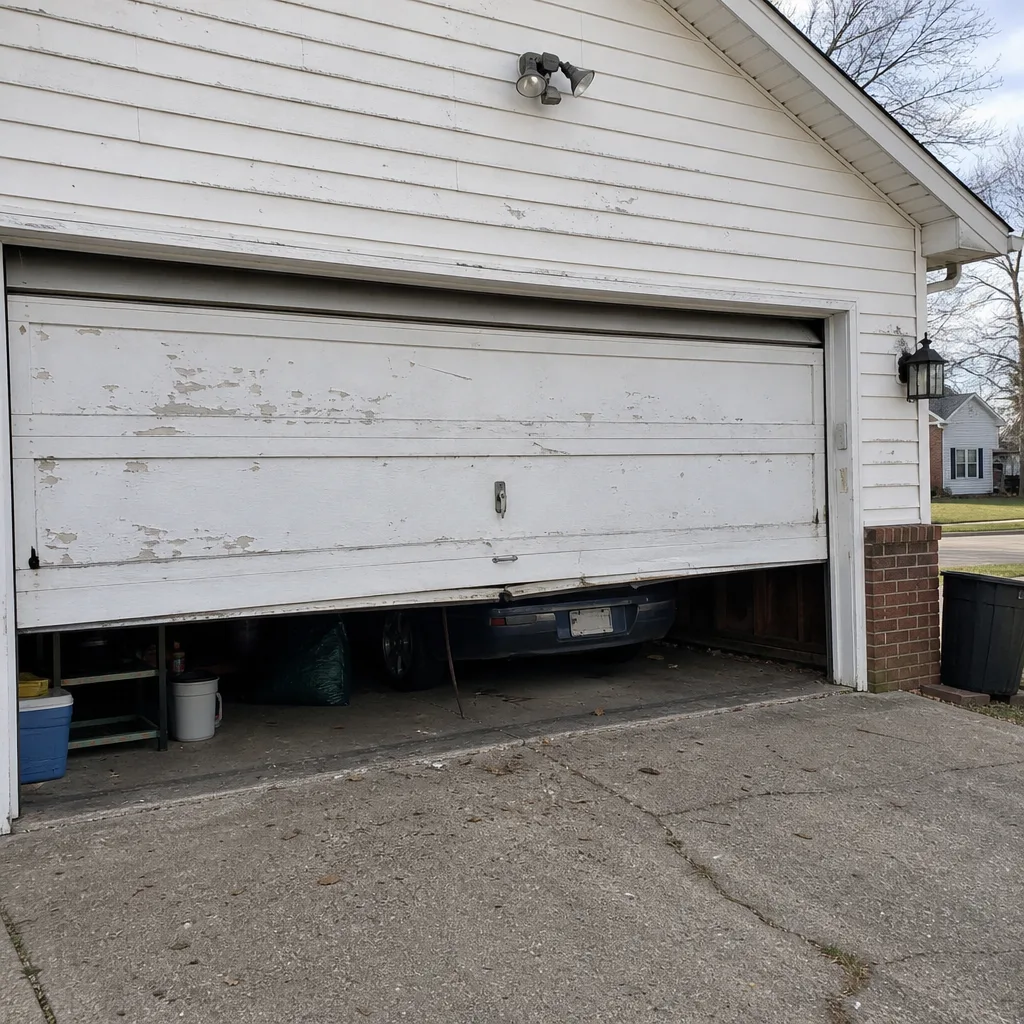 Before
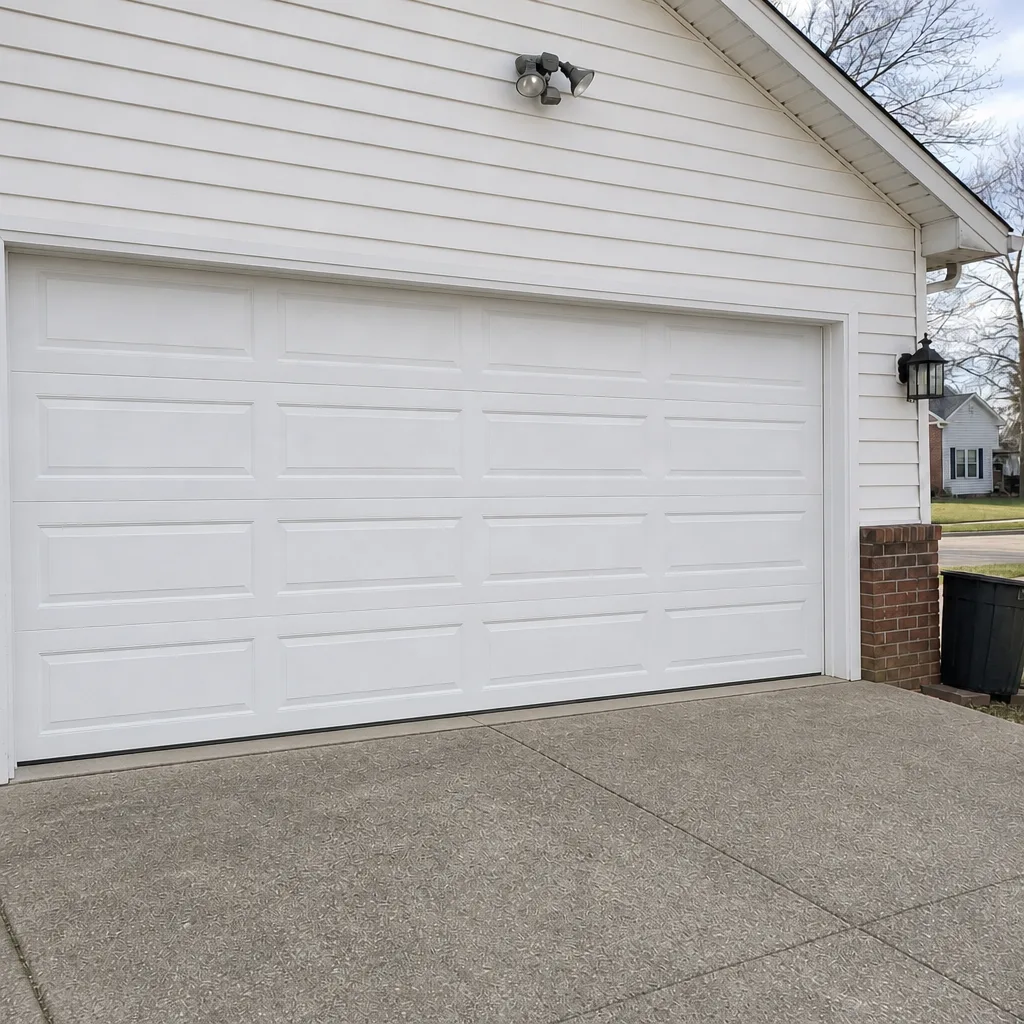 After
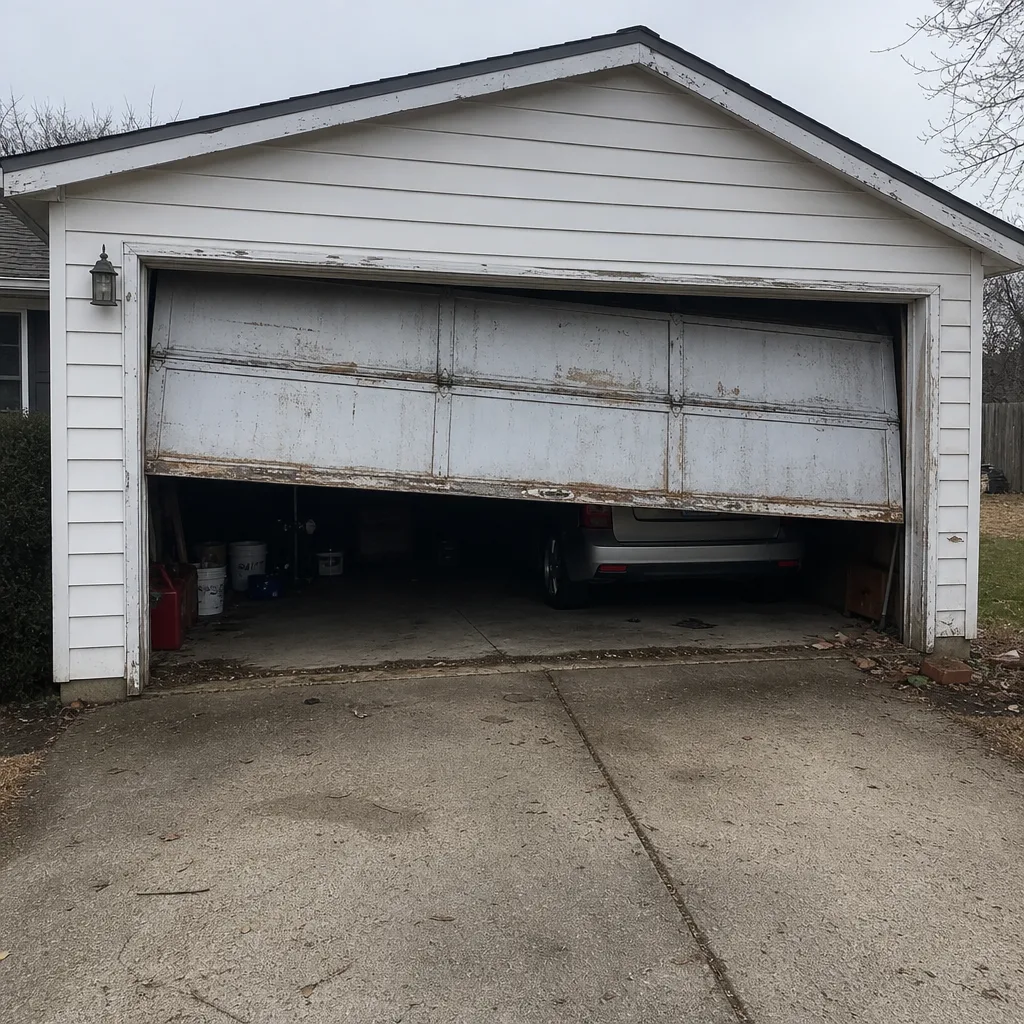 Before
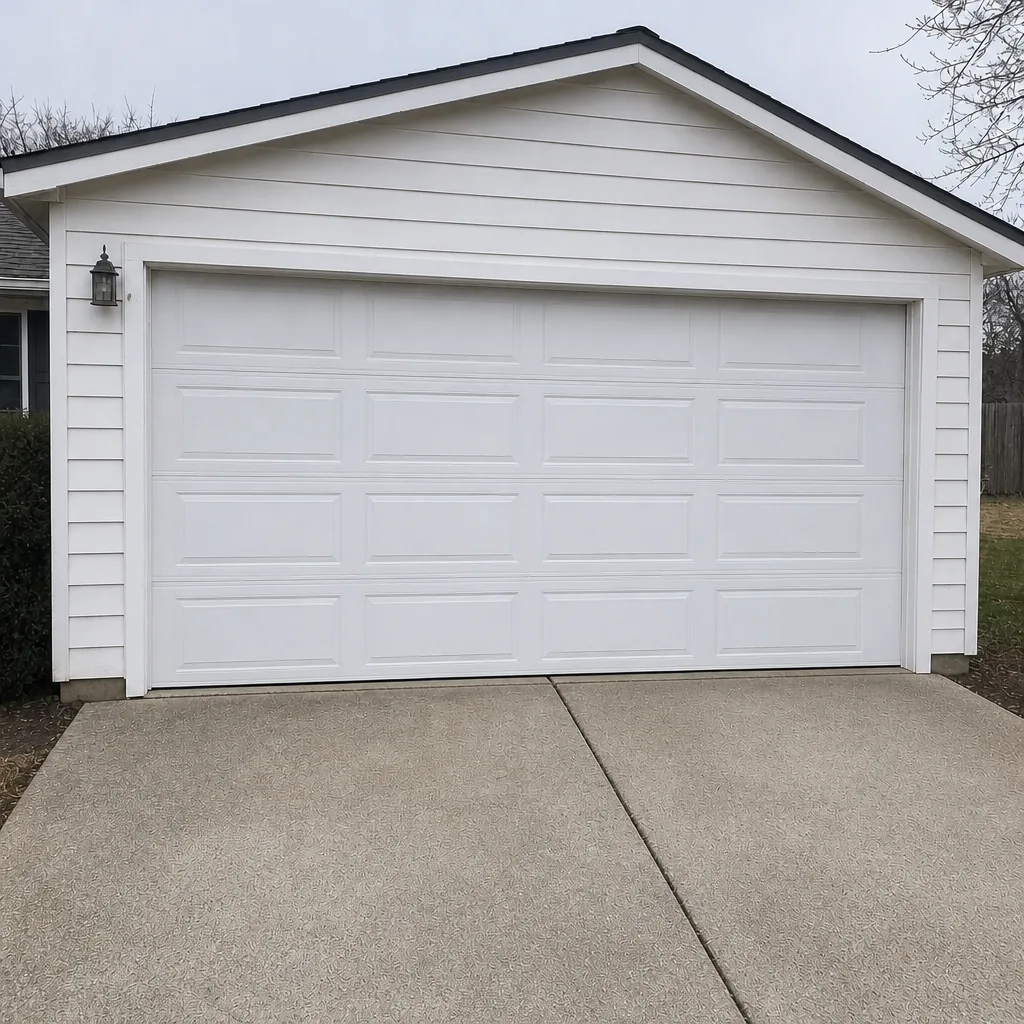 After
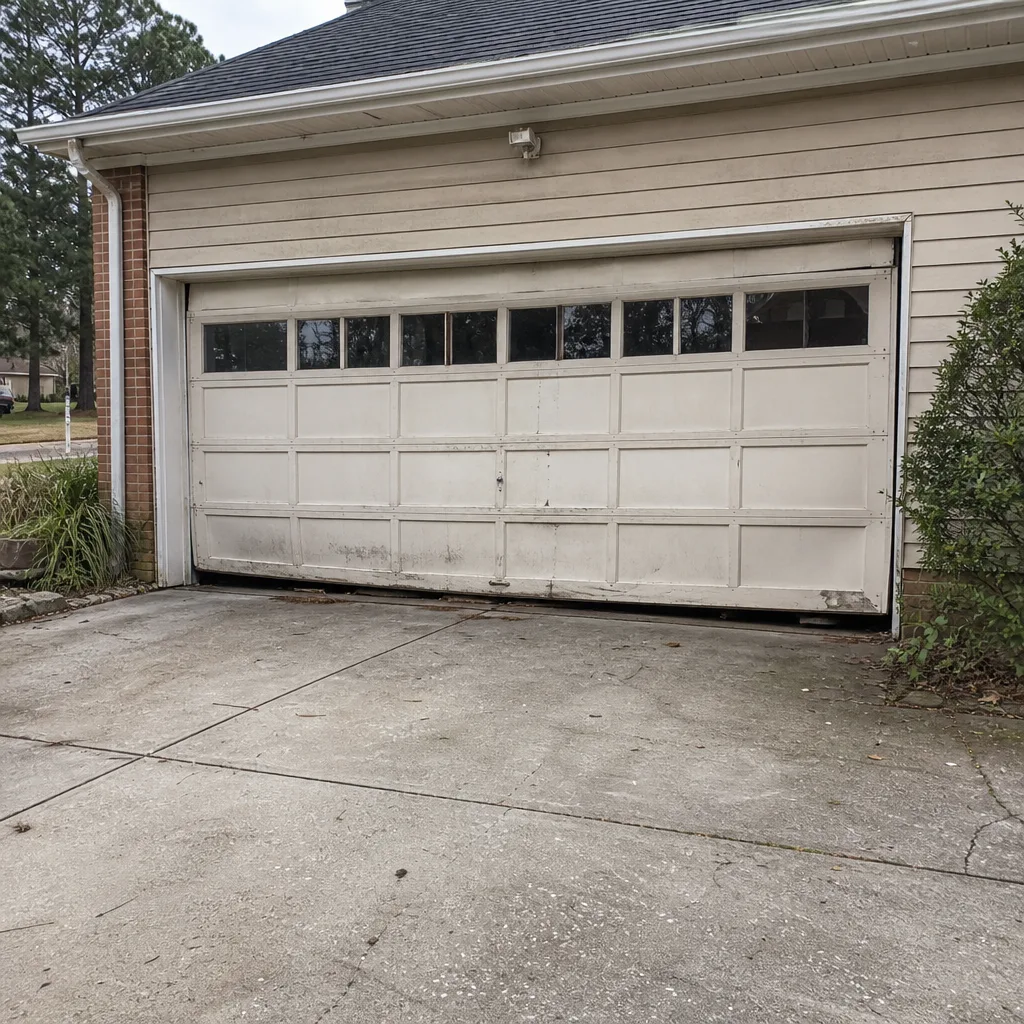 Before
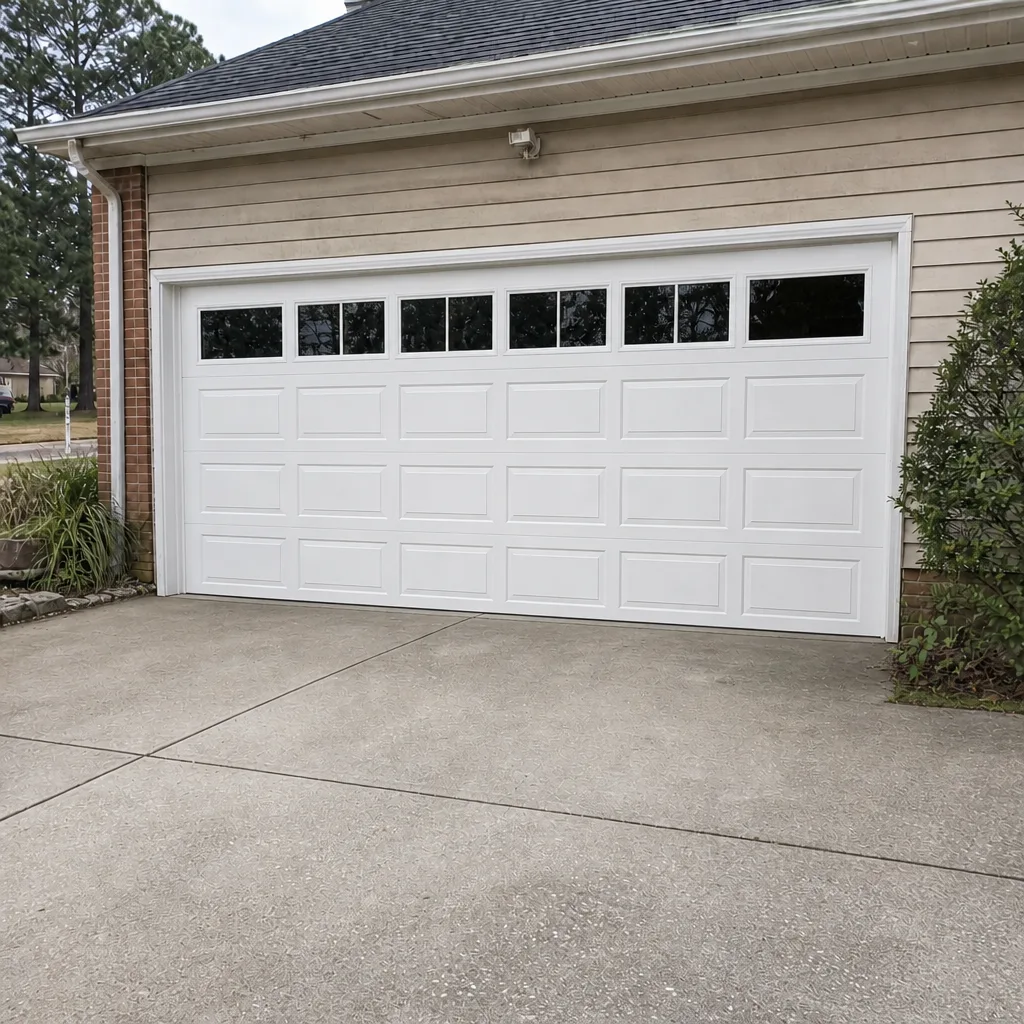 After