
Last updated November 22, 2026
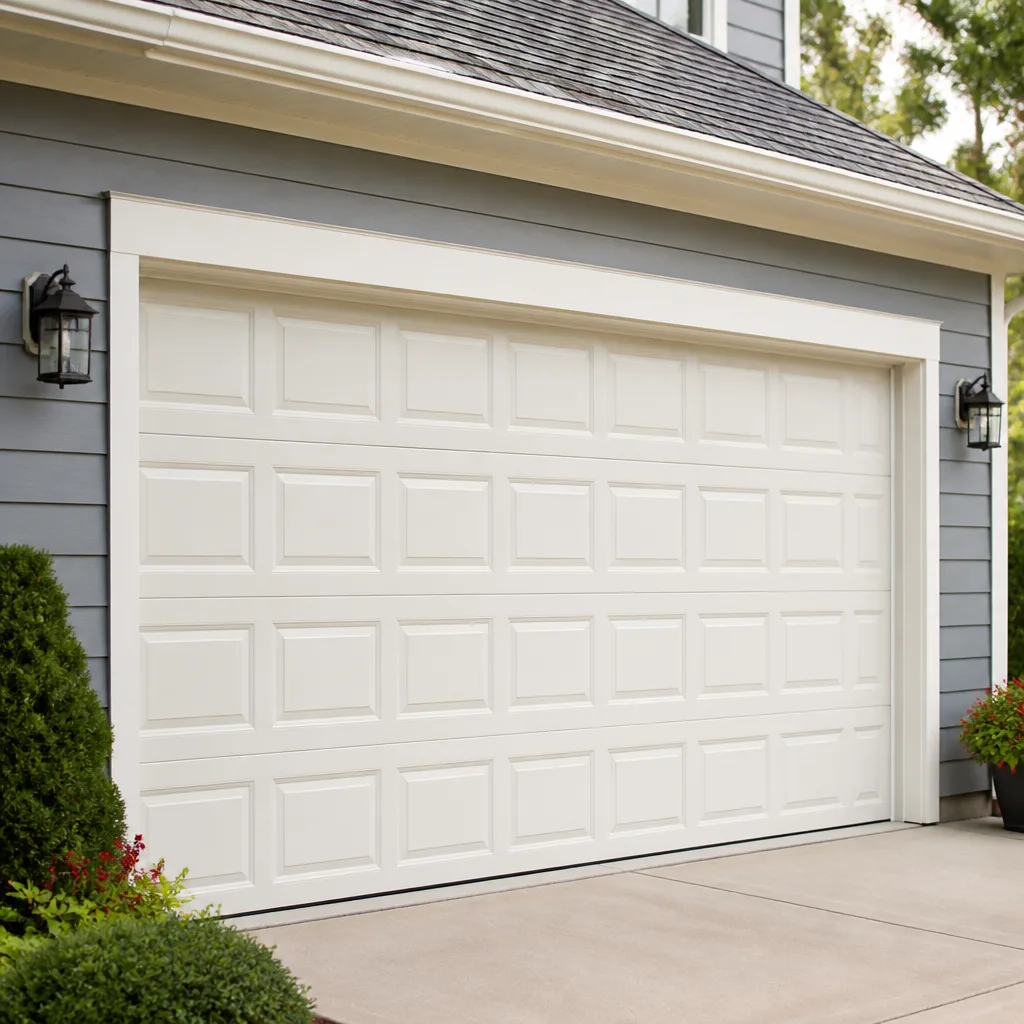 Raised-panel steel
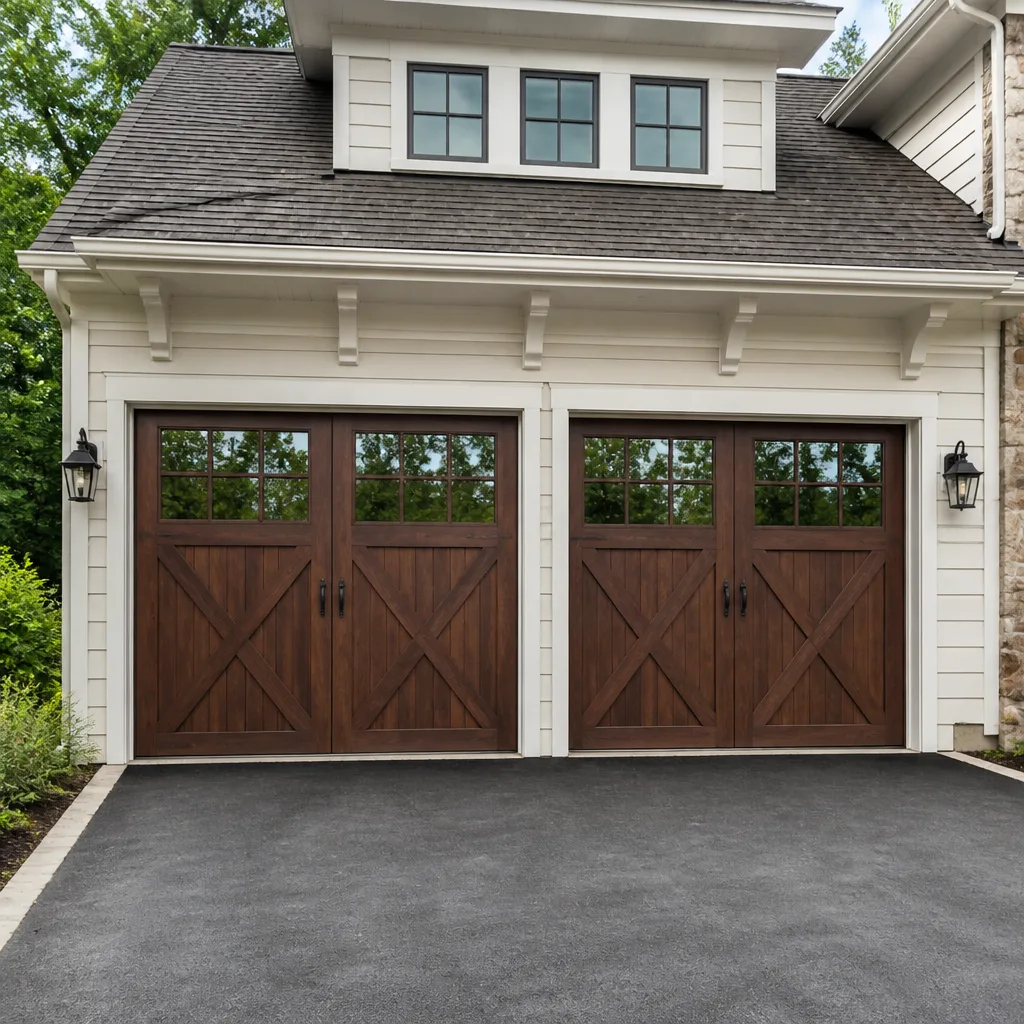 Carriage house
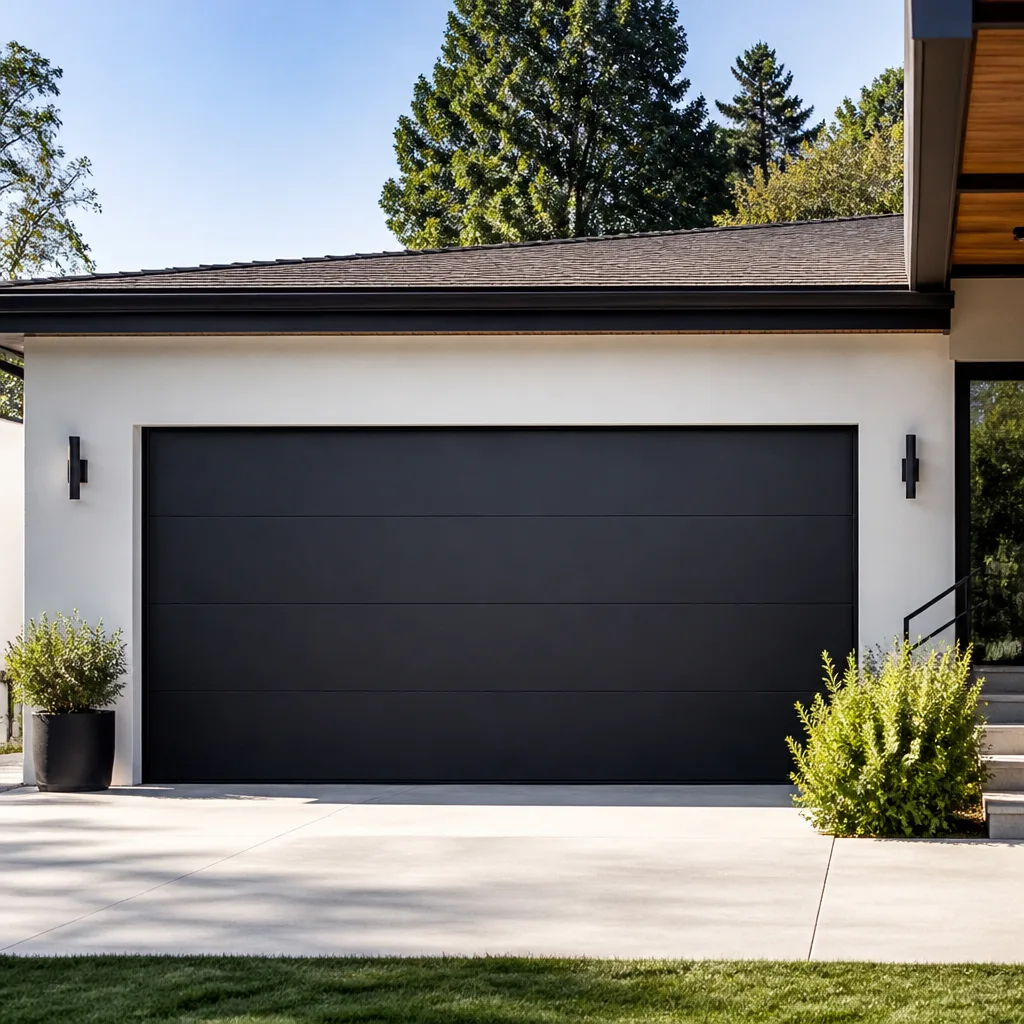 Modern flush
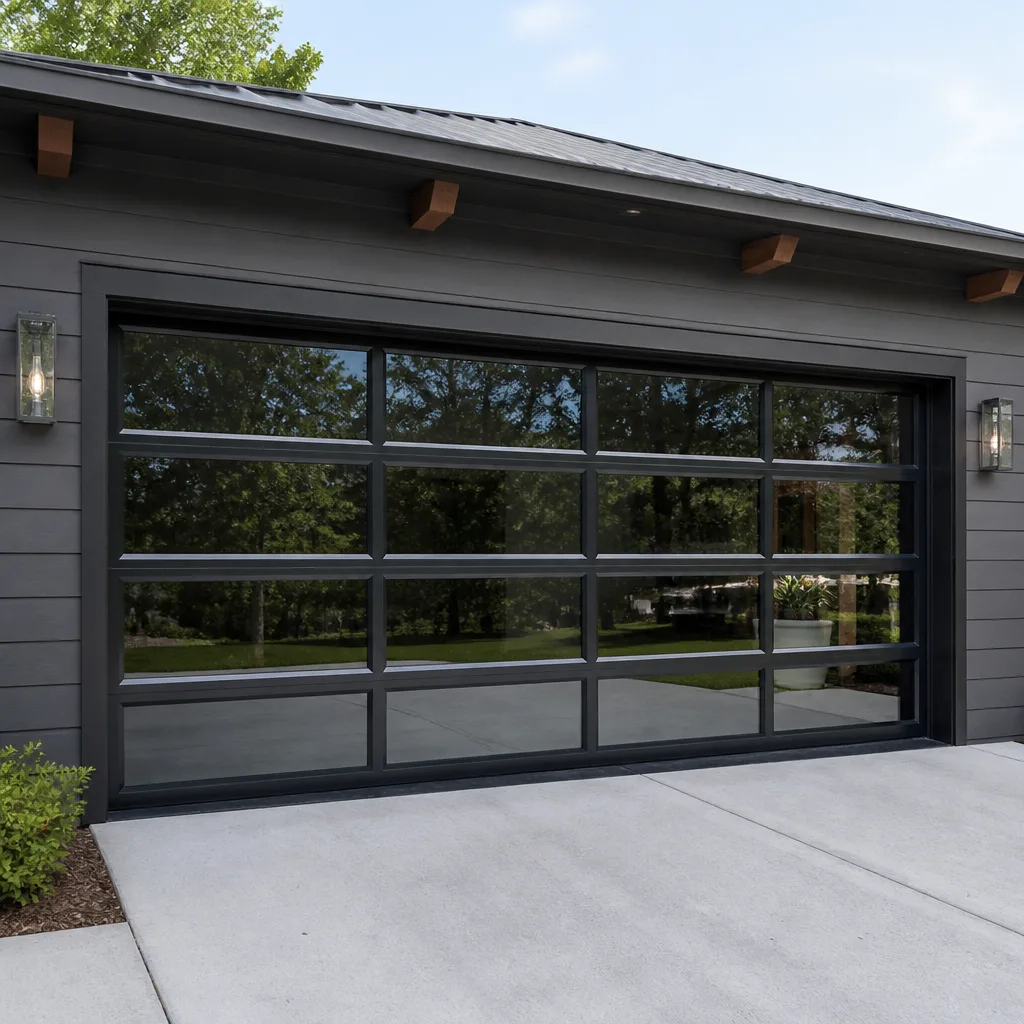 Full-view glass
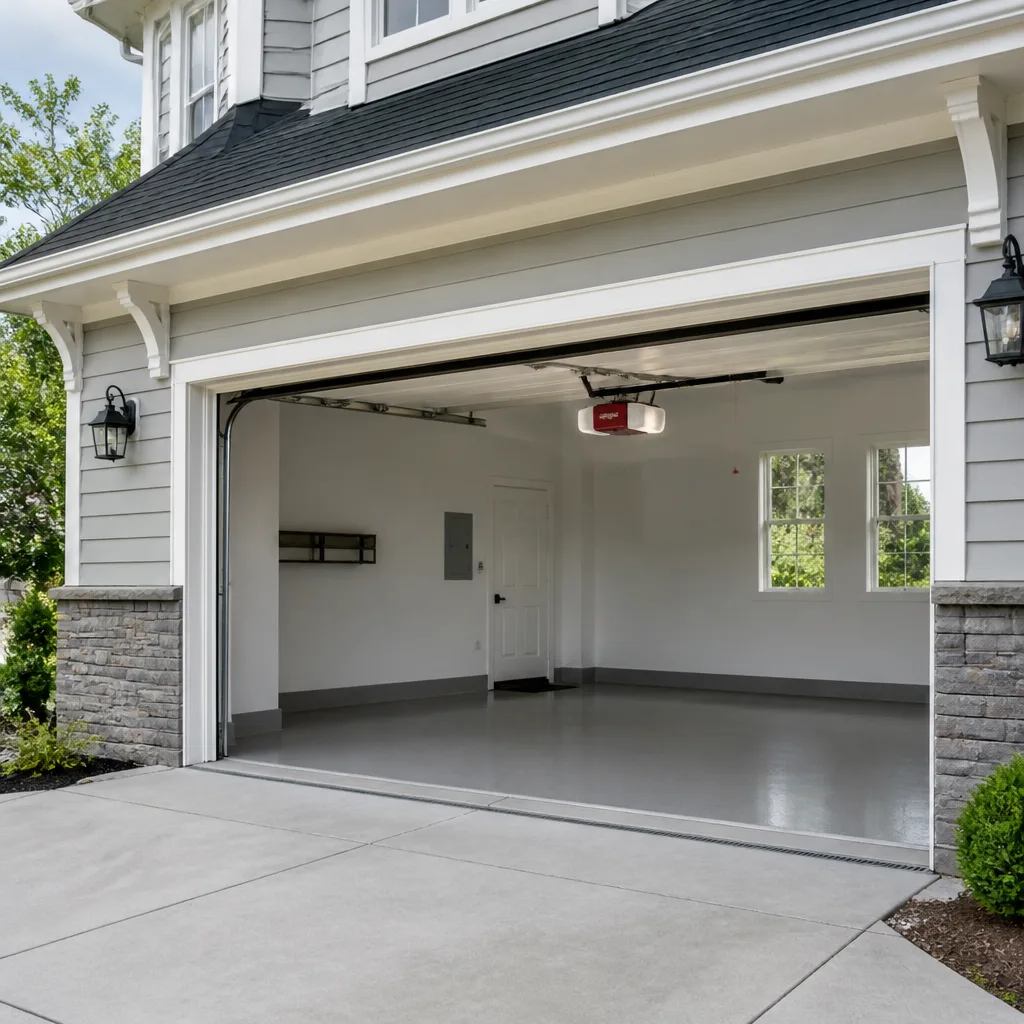 LiftMaster openers
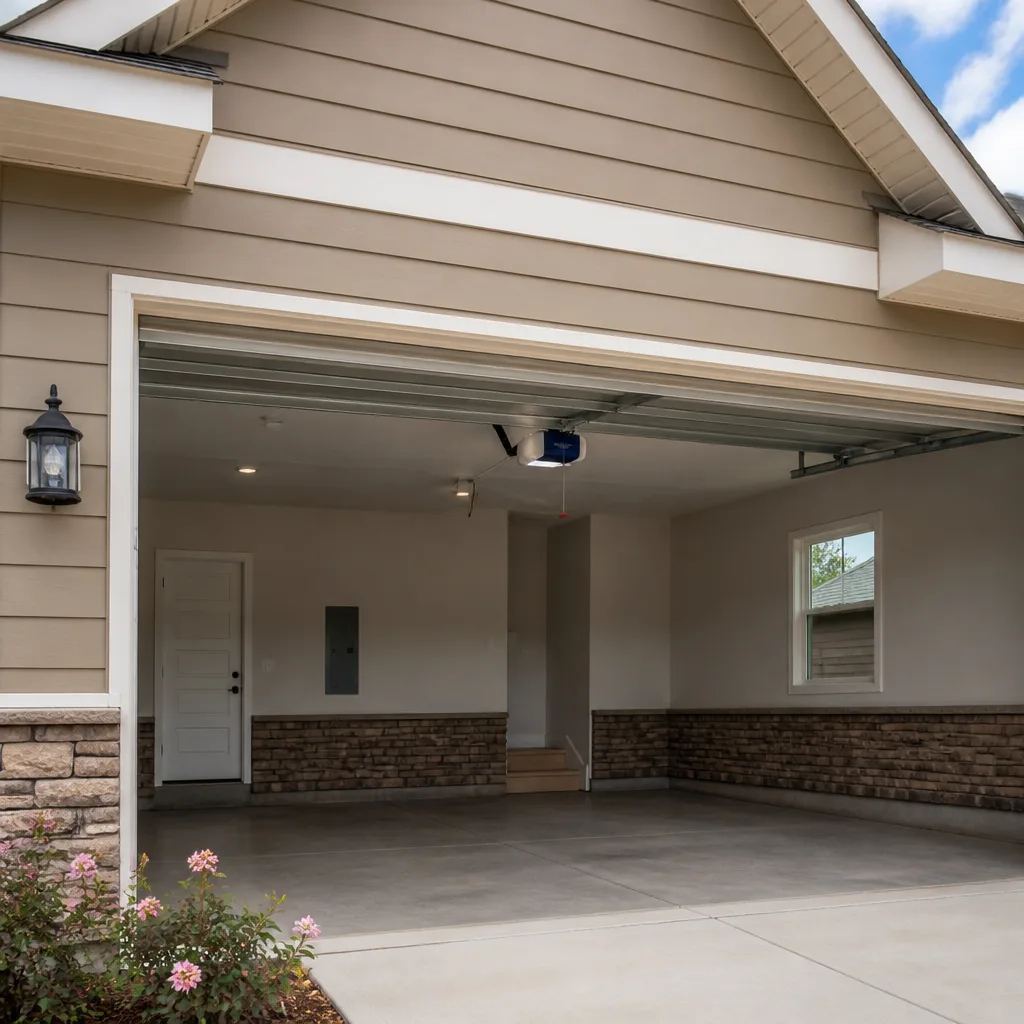 Chamberlain openers
Full 25-point door and opener safety check with every visit - springs, cables, rollers, tracks, and your LiftMaster or Chamberlain opener included
You get a price before we start. It does not change when the pro arrives.
Get your free estimateSeasonal Garage Door Care for Pungo: Year-Round Homeowner’s Guide
Pungo rarely gets the brutal winters of northern Virginia, so most homeowners skip winter prep entirely. That’s the mistake. The freeze-thaw cycles we do get are harder on door hardware than a steady cold snap, because metal expands and contracts over and over instead of settling in once. Add a summer of heavy humidity and a spring of pollen and storm debris, and a Pungo garage door lives through a genuinely different year than one in Ohio. This guide sequences your care tasks around what actually happens here, season by season, so you know what to check, when to check it, and when to put the tools down and call a specialist.
Quick Answer
In Pungo, garage door care follows two dominant forces: summer humidity and winter freeze-thaw cycles. Lubricate springs, hinges and rollers in the fall before the first freeze (not after), keep the bottom seal clean and dry through humid months, clear pollen and storm debris from the tracks each spring, and check cable tension after any high-wind event. Most of this you can do yourself in under an hour per season; springs and cables are the exception and belong to a trained technician.
Styles & brands we work with
- Raised-panel steel
- Carriage house
- Modern flush
- Full-view glass
- LiftMaster openers
- Chamberlain openers
Table of Contents
- Why Pungo’s Climate Writes Its Own Maintenance Calendar
- Spring: Recovering From Pollen and Storm Season
- Summer: Humidity, Wood Doors and Opener Heat
- Fall: The Pre-Freeze Window That Matters Most
- Winter: Ice, Freeze-Thaw and a Stuck Bottom Seal
- After the Storm: Checking Cable Tension Safely
- Year-Round Opener Care
- Common Mistakes to Avoid
- When to Call a Professional
- Frequently Asked Questions
Why Pungo’s Climate Writes Its Own Maintenance Calendar
A maintenance schedule copied from a northern climate assumes one long, steady winter. Pungo doesn’t work that way. A typical winter here swings between mild days and hard overnight freezes, sometimes within the same week. Every one of those swings pulls your door’s metal components one way and then the other. Springs, cables, hinges and track brackets all move slightly with temperature, and repeated movement is what loosens fasteners and fatigues metal over time.
Summer brings the opposite pressure. The humidity in Pungo during the warm months is heavy and sustained, and that has real consequences for a garage door that faces it every day:
- Wood panel doors absorb moisture and swell, then shrink again when the air dries out. That cycle stresses joints and paint.
- Bottom seals can lose adhesion or soften against a warm, damp concrete floor.
- Opener motors work harder in a hot garage and get less natural cooling.
The short version: Pungo’s garage doors face a two-front year, with humidity on one side and freeze-thaw on the other. A care schedule built for those two forces will keep a door working far longer than a generic four-season checklist. That’s the logic behind everything below.
What a realistic Pungo maintenance year looks like
- Spring: clear winter grit from tracks, clean pollen off the door face, wipe sensor lenses, inspect weatherstripping.
- Summer: watch the bottom seal and wood panels for moisture problems, keep the garage ventilated, listen to the opener.
- Fall: lubricate springs, hinges and rollers before the first freeze, tighten visible fasteners, test the safety reverse.
- Winter: keep the bottom seal from freezing to the slab, and know how to free a stuck seal without tearing it.
- After any storm: check tracks and cable tension, and never touch a frayed cable.
If you want the full picture of what a professional tune-up covers, our guide to Garage Door Repair Pungo covers the repair side in more detail.
Spring: Recovering From Pollen and Storm Season
Spring in Pungo means pollen, wind-blown debris and the first warm, damp air of the year. All three land on your garage door and in its tracks. Left alone, they turn into friction, which is the single biggest cause of a door that starts running rough or hesitates halfway up.
Pollen is more than a cosmetic nuisance. It’s sticky, it collects in the track channels, and it binds with dust to form a grit that wears on rollers and hinges. Over a few weeks it can make a smooth door feel sluggish. Storm debris – leaves, twigs, grass clippings – does the same thing faster.
Spring task list
- Clear the tracks. Wipe the channels with a damp cloth, then dry them. Don’t spray lubricant into the track itself; that attracts dust. Lubricate the rollers and hinges, not the channel.
- Wash the door face. A garden hose and a mild soap removes pollen before it bakes on in the sun.
- Wipe the photo-eye lenses. A film of pollen over the safety sensors is a common cause of a door that refuses to close. A dry cloth is usually enough.
- Inspect weatherstripping. The rubber seal around the door frame takes the heaviest seasonal beating in this climate. Look for cracks, gaps and sections pulling away.
- Test the safety reverse. Put a small block of wood in the door’s path and close it. The door should reverse on contact.
If spring brings a repair with it – a snapped spring, a door off its track, an opener that won’t respond – that’s a job worth handing to a specialist. Our garage door repair service covers diagnosis and same-day fixes for Pungo homeowners.
Summer: Humidity, Wood Doors and Opener Heat
The warm months are when Pungo’s humidity does its quietest work. Wood panel doors are the most vulnerable. Wood swells when it takes on moisture and shrinks when it dries, and that back-and-forth is what cracks paint, opens seams and eventually loosens panels.
What to watch for on a wood door through the summer:
- Paint that’s peeling or blistering, especially along the bottom edge near the ground.
- Panels that look tight on a dry day and loose on a humid one.
- Soft spots in the bottom rail where moisture sits longest.
- Daylight showing through seams that were tight last year.
A painted or sealed finish is the main line of defense. Touch up bare spots before the wet season rather than after. If your door has been unpainted for a few seasons, a proper sealing coat buys years of life.
The bottom seal in humid weather
The rubber or vinyl seal along the bottom of the door presses against a concrete slab every time the door closes. In sustained humidity, the seal and the slab both hold moisture, and the seal can soften, curl or lose adhesion to the door. Check it visually each month through the summer. If sections of it hang loose or look flattened, replacing the seal is a simple, low-cost fix that stops rain and pests from getting in.
Opener motor heat management
A garage in summer can get very hot, and an opener motor works harder in that heat. A few habits help:
- Keep the garage ventilated; cracked windows or a vented door help more than you’d think.
- Don’t leave the opener running cycles unnecessarily. Every open and close is wear.
- Listen for a change in sound. A motor that’s strained or hot often runs louder or slower before it fails.
Most openers from LiftMaster and Chamberlain are built for warm conditions, but heat plus worn rollers is a bad combination. If your door drags, the motor works harder than it should. Our garage door opener repair team can check the opener and the door together, since one often explains the other.
Fall: The Pre-Freeze Window That Matters Most
This is the section most homeowners skip, and it’s the one that pays off. Lubricating cables, springs and hinges after temperatures drop is less effective than doing it beforehand. Cold thickens lubricant, and a coat applied before the first freeze gets into the moving parts while they’re still flexible and seated correctly. Do the work in fall, before that first hard freeze, and it protects the door through the whole winter.
Fall is also when you’ll catch the small problems that winter would turn into big ones. Loose fasteners, worn rollers, a frayed cable starting to show – all easier and cheaper to deal with in October than in January.
The fall pre-freeze checklist
- Lubricate springs, hinges and rollers. A purpose-made garage door lubricant, applied sparingly. Don’t oil the tracks.
- Tighten visible fasteners. Track brackets and hinge screws loosen over the year. Snug them, don’t over-torque.
- Inspect the cables by eye only. Look for fraying, kinks or rust. Never touch them, and never adjust them yourself – call a technician if you see anything wrong.
- Test the balance. Disconnect the opener and lift the door halfway by hand. It should stay put. If it falls or rises on its own, the springs need attention.
- Check the weatherstripping again. Replace any worn sections before the cold sets in.
- Test the safety reverse. Same test as spring; do it every season.
Winter: Ice, Freeze-Thaw and a Stuck Bottom Seal
Pungo winters are mild on average, but the freeze-thaw cycles are what cause trouble. Water collects under the bottom seal, freezes overnight, and glues the seal to the concrete. When the opener pulls the door up, it tears the seal or strains the motor. Then it thaws, refreezes, and the cycle repeats.
Preventing the seal from freezing to the slab
- Keep the concrete under the door dry. Sweep away standing water or snowmelt before it freezes.
- Make sure the seal is in good shape. A cracked or flattened seal lets water in; a healthy one keeps it out.
- A light dusting of a dry lubricant or a thin film of silicone on the seal’s contact edge can reduce sticking in cold weather.
- Clear any ice that forms in the door’s path before operating it.
What to do when the seal is already frozen
Don’t force the door. Pulling with the opener or by hand when the seal is frozen tears the rubber and can damage the door’s bottom section. Instead, free it gently:
- Turn the opener off or disconnect it so the door can’t be pulled up electrically.
- Warm the seal along its base with a hair dryer on a low setting, working section by section. Keep it away from water.
- Once the seal releases, lift the door by hand and make sure it moves freely before reconnecting.
- Dry the slab and the seal fully, then apply a light silicone film to reduce the chance of it happening again.
If the door won’t move even after the seal is free, stop. A frozen or jammed door is a sign of a hardware problem that needs a trained eye. Our garage door installation team can also assess whether an older seal or door section needs replacing rather than repeated fixing.
After the Storm: Checking Cable Tension Safely
Pungo sits in an area with real wind exposure, and high wind puts load on the whole door assembly. After any significant storm, a quick visual check tells you a lot. What you’re looking for is anything that’s changed: a track that’s no longer straight, a cable that’s slack on one side, a door that sits crooked in its frame.
Here’s the important line. Checking cable tension visually is fine. Adjusting it is not a homeowner job, and it’s genuinely dangerous. The cables on a garage door are under heavy tension, and a cable that slips or snaps can cause serious injury. If you see any of the following, stop and call a technician:
- A cable that looks frayed, kinked or rusted.
- A door that hangs crooked or runs unevenly on one side.
- A loud bang or snap from the door area.
- A door that won’t open or close fully after a storm.
- A visible gap between the door and the track on one side.
For the door’s springs specifically, the same rule applies with even more force. Springs are the most dangerous part of any garage door system, and we handle them with professional-grade tools and safety protocols rather than a DIY shortcut. Never try to adjust or replace a spring yourself.
Quick storm check, in order
- Look at the tracks. Are they straight and clear of debris?
- Look at the cables. Frayed, slack or kinked? Stop and call.
- Look at the door’s alignment. Does it sit square in the frame?
- Test the door by hand, slowly. Does it move smoothly or feel like it’s fighting you?
- Test the opener and safety reverse.
If any step feels wrong, the safest move is to leave the door closed and call. We answer 24/7. Fast dispatch from 7am to 7pm, Sunday through Friday.
Year-Round Opener Care
The opener gets less attention than the door but causes a good share of the problems. Most of its care is simple and worth doing through the year, whatever the season.
- Test the safety reverse every season. It’s the single most important safety feature on the opener.
- Keep the photo-eye sensors clean and aligned. Wipe them whenever you clean the door. If the door won’t close, check them first.
- Listen to the sound. A grinder, a rattle or a motor that’s louder than it used to be is a signal to investigate.
- Watch for the door not opening fully. If it stops short, the opener’s travel limits may be off, or the door may be binding.
- Don’t overload the opener. If the door is heavy or stiff, the opener is doing the door’s work. Fix the door first.
Brand matters less than fit here. We work on the brand you already own, whether it’s a LiftMaster, a Craftsman or a Raynor, and we’ll tell you which fix the opener actually needs. A door that runs well makes the opener last longer, and an opener that’s set correctly saves the door.
See the difference
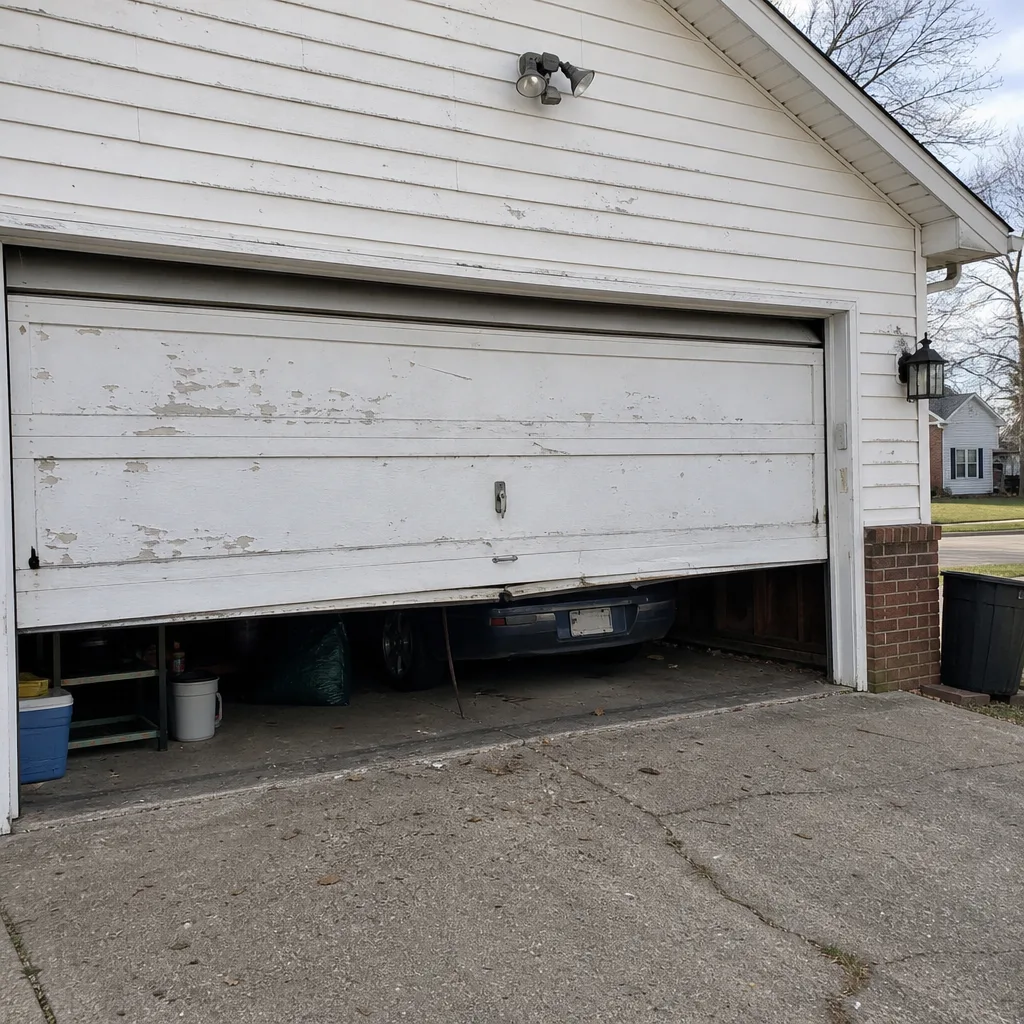 Before
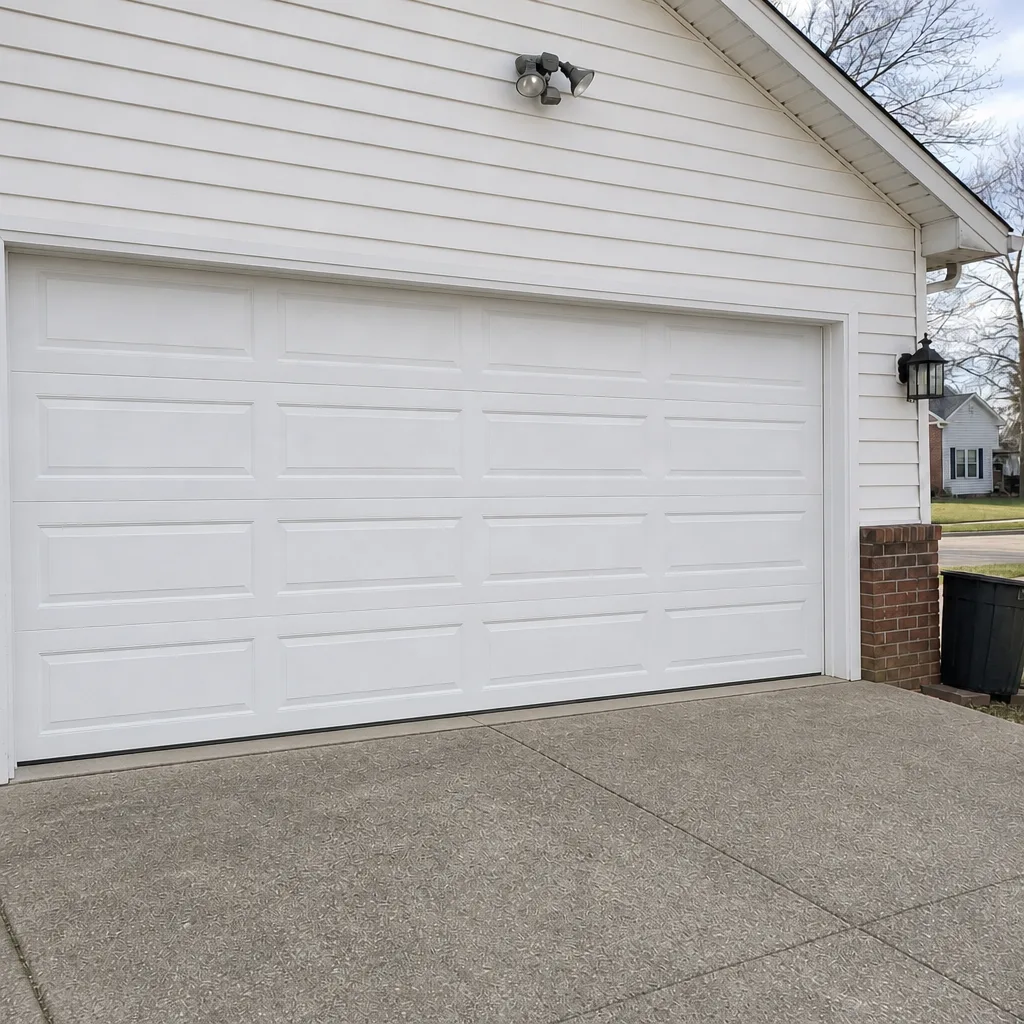 After
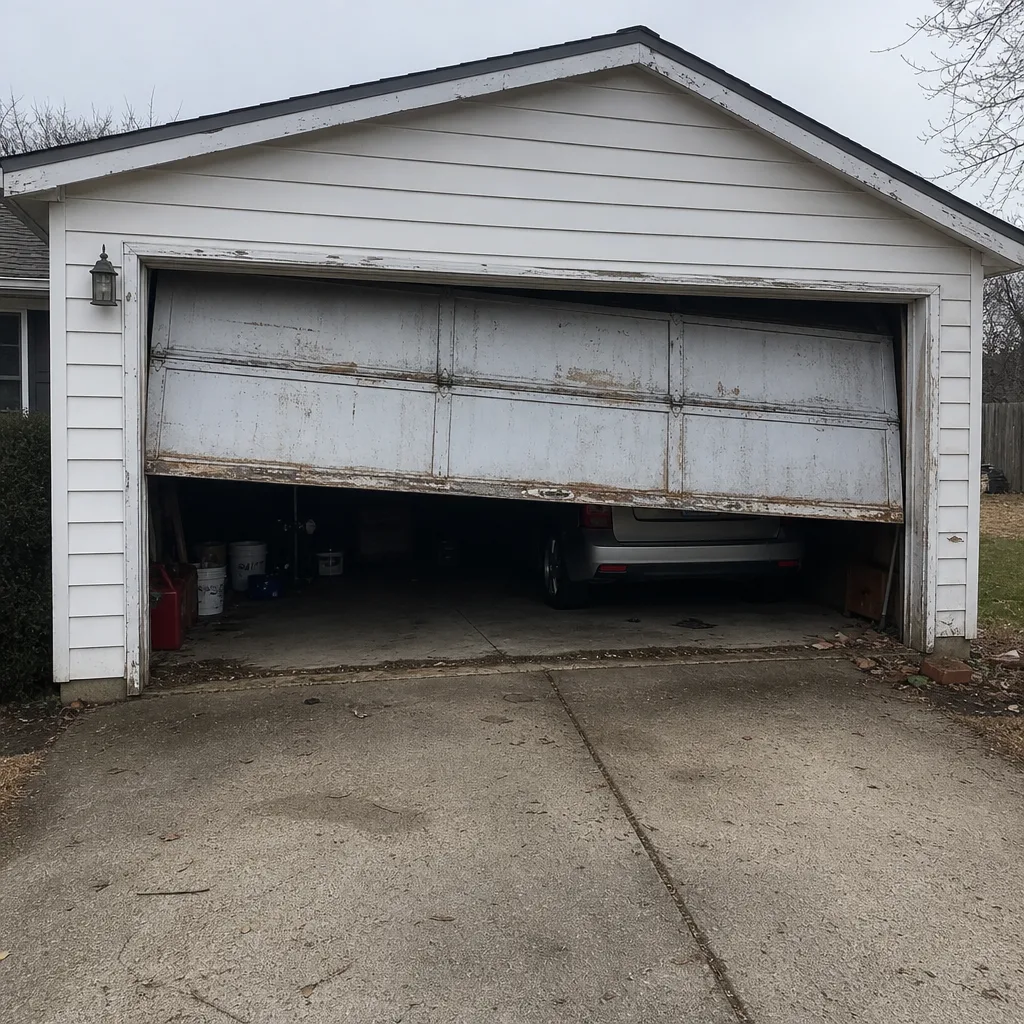 Before
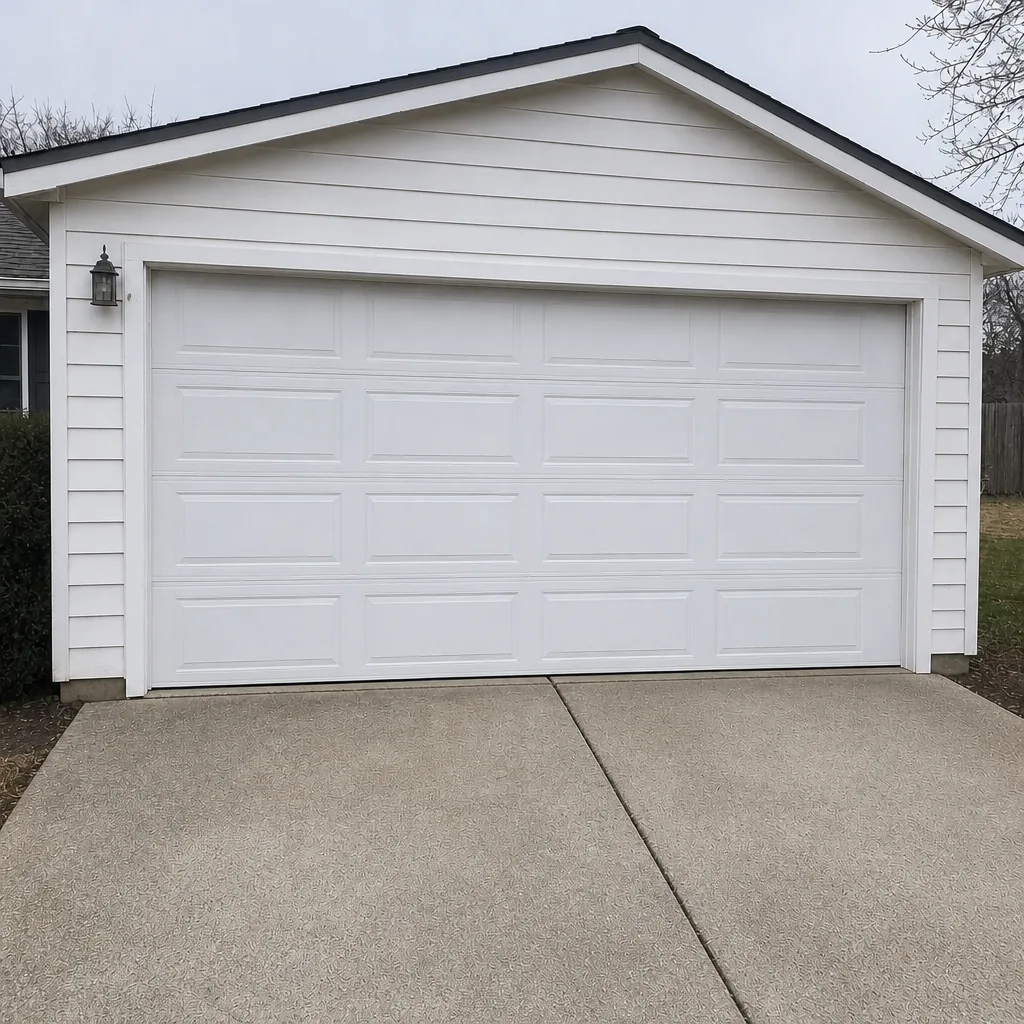 After
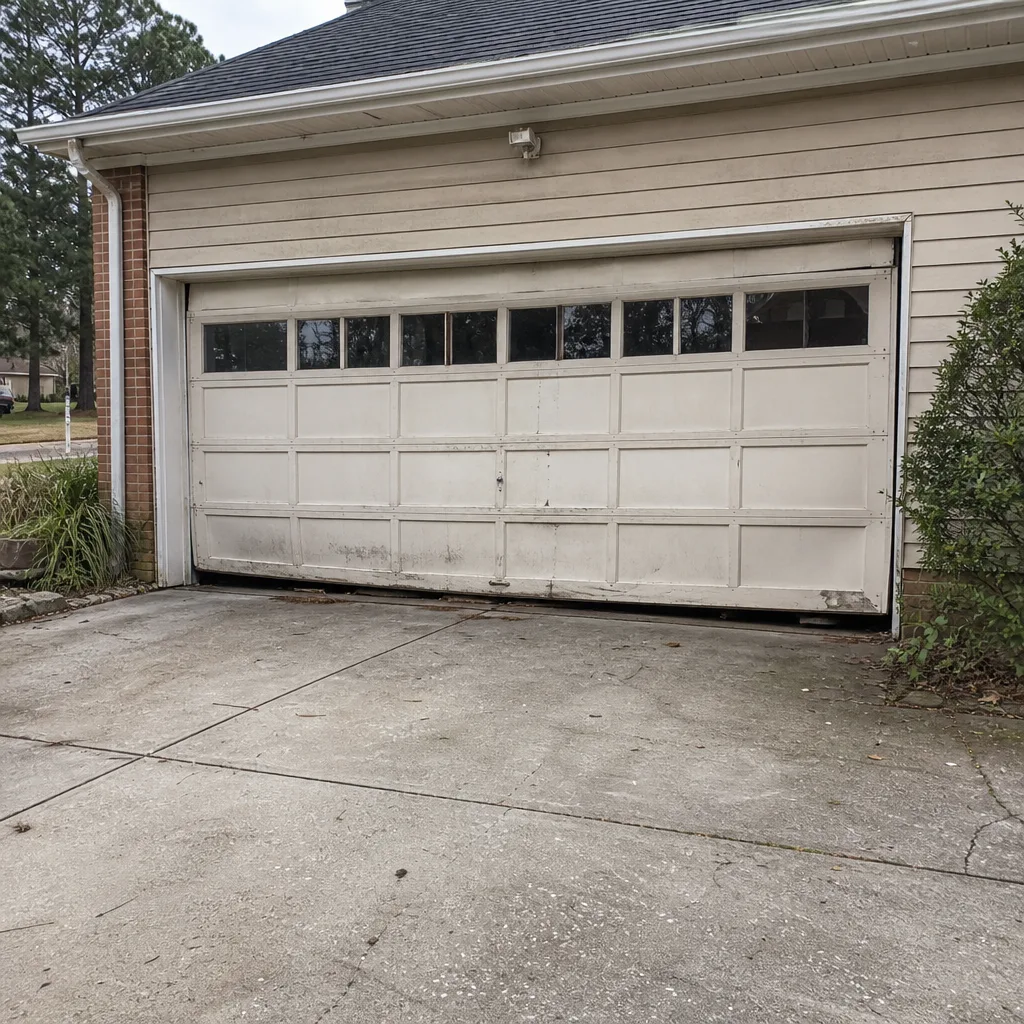 Before
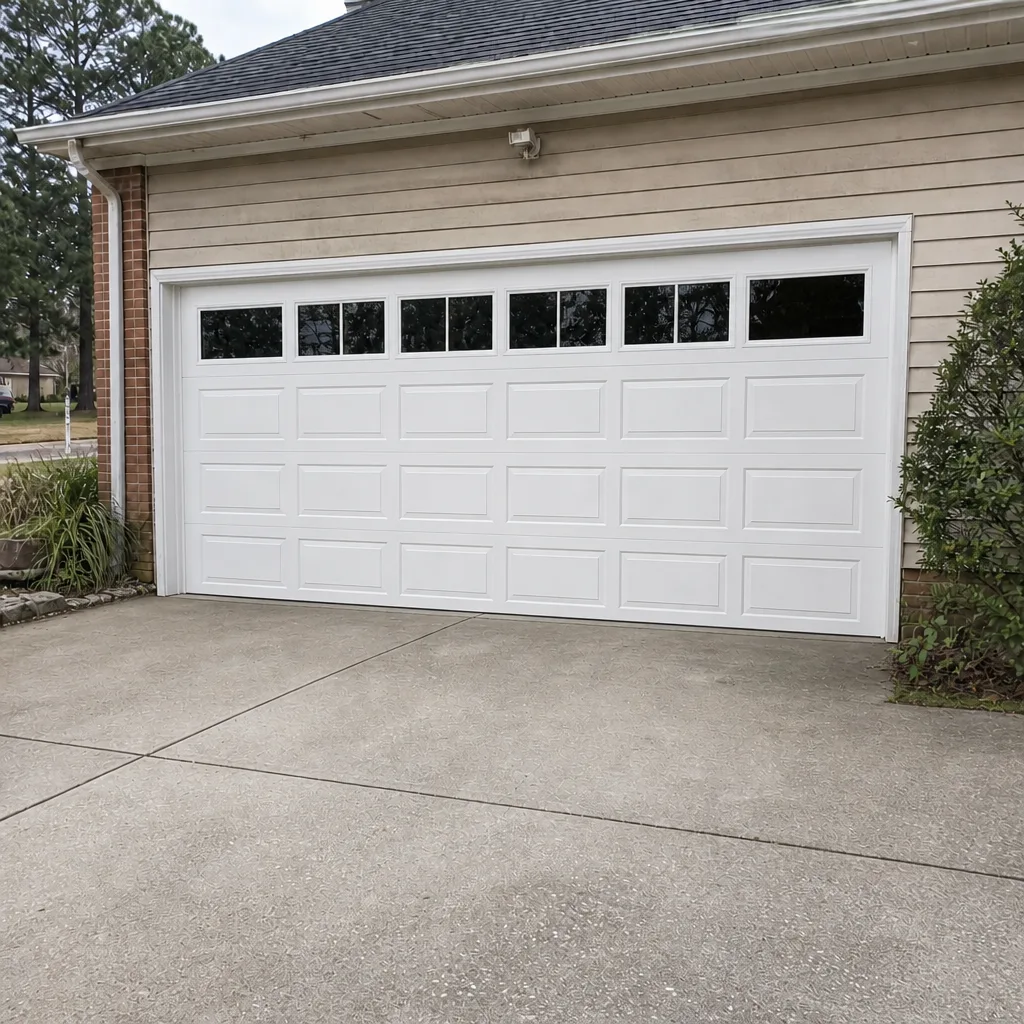 After
Common Mistakes to Avoid
- Waiting until after the first freeze to lubricate. Cold thickens lubricant, so a coat applied in the fall works better than one applied in January. Do it before temperatures drop.
- Spraying lubricant into the tracks. The tracks should be clean and dry, not oily. Lubricant in the channel collects grit and wears the rollers faster. Lubricate the moving parts, not the channel.
- Forcing a frozen bottom seal. Pulling a door up when the seal is stuck to the slab tears the rubber and can damage the bottom section. Free it gently first.
- Touching the cables or springs. They’re under heavy tension and are the most dangerous parts of the system. Visual check only, then call.
- Ignoring pollen on the safety sensors. A film of pollen over the photo-eyes is one of the most common reasons a door won’t close in spring, and it’s a 30-second fix.
- Skipping the post-storm check. Pungo’s wind exposure means a storm can knock a track out of alignment without any obvious noise. A quick look after the fact catches it early.
- Letting a wood door go unpainted. In this climate, an unsealed wood door takes on moisture all summer and shows it within a few seasons.
When to Call a Professional
Most seasonal care is homeowner work. Some of it isn’t. Call a specialist when you see a frayed, kinked or slack cable, when a door hangs crooked or runs roughly, when a spring is broken or the door suddenly feels very heavy, when the opener won’t respond after basic checks, when a track is bent or off its bracket, or when a frozen seal won’t release without force. Springs and cables are the clear line: those belong to a trained technician every time, without exception.
Garage Door Repair Pungo offers free estimates for homeowners in Pungo. We’re a single-trade specialist, so every technician on every job is a garage door specialist. Our technicians have up to 8 years of experience, and we work on the eight major brands, including LiftMaster, Wayne Dalton, Raynor and Craftsman. Call (855) 683-7570 for a free estimate. We answer 24/7, with fast dispatch from 7am to 7pm, Sunday through Friday.
Frequently Asked Questions
Four times a year is the right rhythm here, with one extra check after any significant storm. The Pungo schedule differs from a northern one: lubricate in fall before the first freeze, clear pollen and debris in spring, watch humidity issues in summer, and protect the bottom seal in winter. Each pass takes under an hour for the homeowner tasks.
You can apply a purpose-made garage door lubricant to the springs as part of routine maintenance, but you should never adjust, remove or repair them. Springs are the most dangerous part of any garage door system because they’re under heavy tension. If a spring is broken, making noise or the door feels unusually heavy, call a specialist and don’t operate the door.
Don’t force the door, and don’t let the opener pull it up. Disconnect the opener, warm the seal along its base with a hair dryer on low, and lift the door by hand once it releases. Then dry the slab and the seal and apply a light silicone film to reduce sticking. If the door still won’t move, call a technician.
Pollen on the photo-eye safety sensors is the most common cause. Wipe the lenses on both sensors with a dry cloth and try again. If it still won’t close, check that the sensors are aligned and that nothing is blocking the door’s path. If that doesn’t fix it, the opener’s safety reverse or travel limits may need adjustment.
Look, don’t touch. A healthy cable runs straight and even on both sides. Fraying, kinks, rust or a cable that’s slack on one side means the door needs a technician. Never try to adjust a cable yourself. A hand test on the door – disconnecting the opener and lifting it halfway – will show unevenness if a cable is involved.
Both. We handle repair, spring replacement, opener service and complete new door installation, so a homeowner doesn’t need to call a second company as their needs change. Book a free estimate by calling (855) 683-7570. We answer 24/7, with fast dispatch from 7am to 7pm, Sunday through Friday.
The Bottom Line
Pungo’s garage doors live through two forces a generic checklist won’t capture: sustained summer humidity and repeated winter freeze-thaw. Work with those, not against them. Lubricate in the fall before the first freeze, not after. Keep the bottom seal dry and clear through the wet months, and never force a frozen door. Clear pollen and storm debris in spring, watch your wood door for moisture damage in summer, and check cable tension by eye after any high-wind event. Springs and cables belong to a trained technician. Do the rest yourself, season by season, and your door lasts years longer.
Written by the team at Garage Door Repair Pungo.