
Last updated November 22, 2026
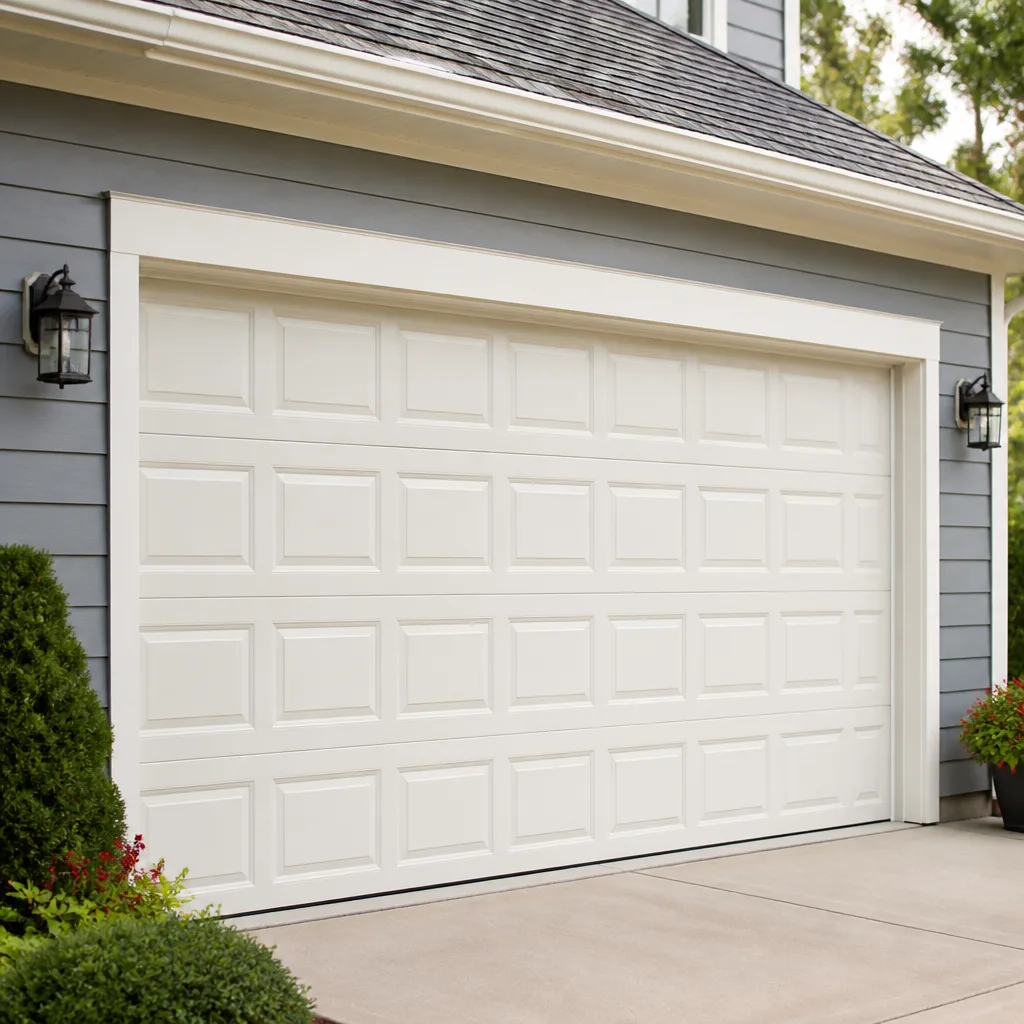 Raised-panel steel
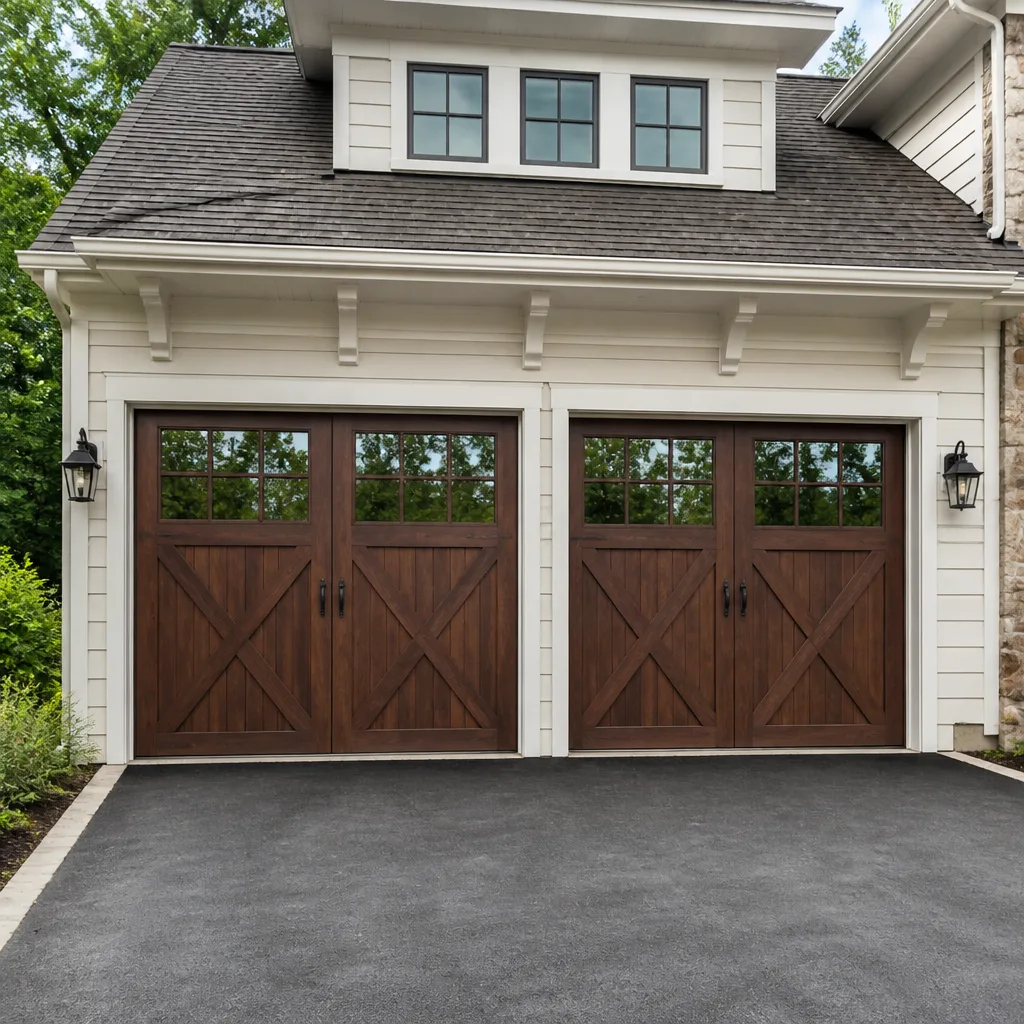 Carriage house
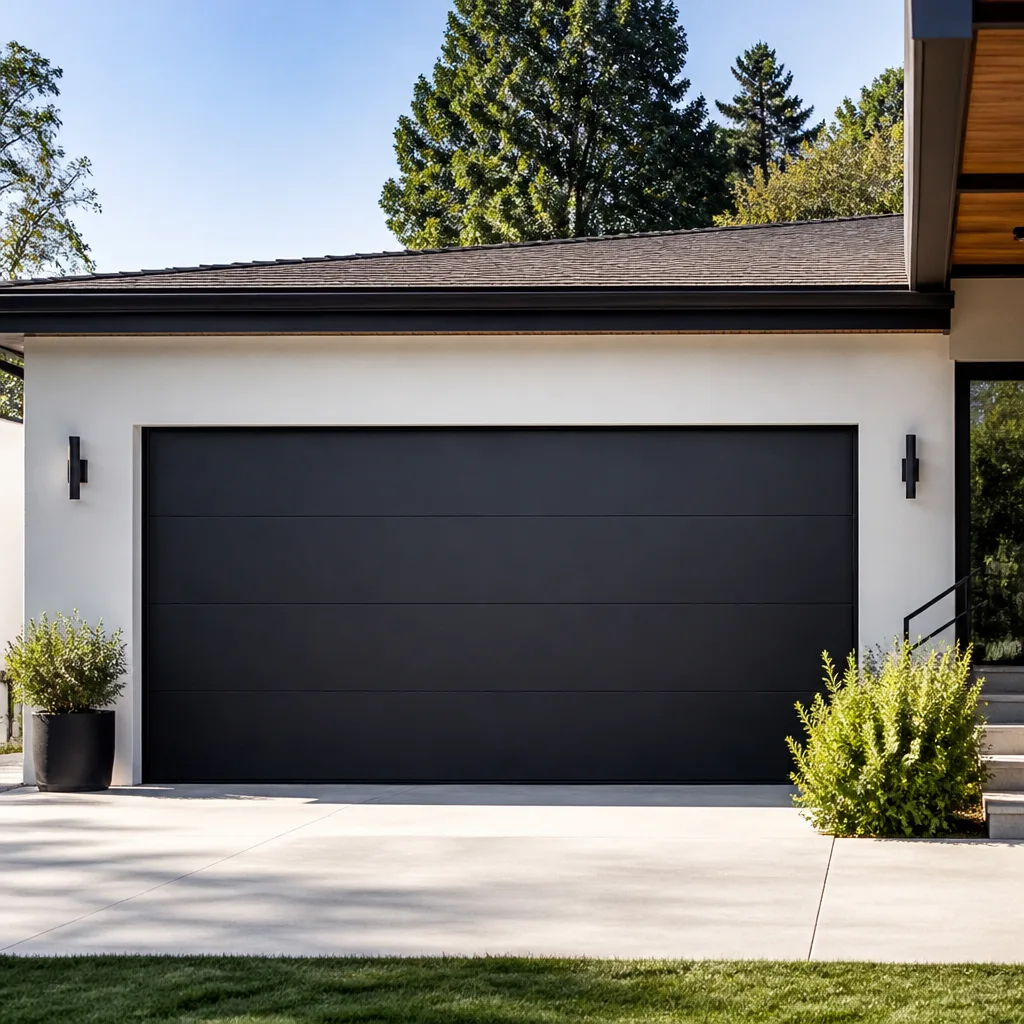 Modern flush
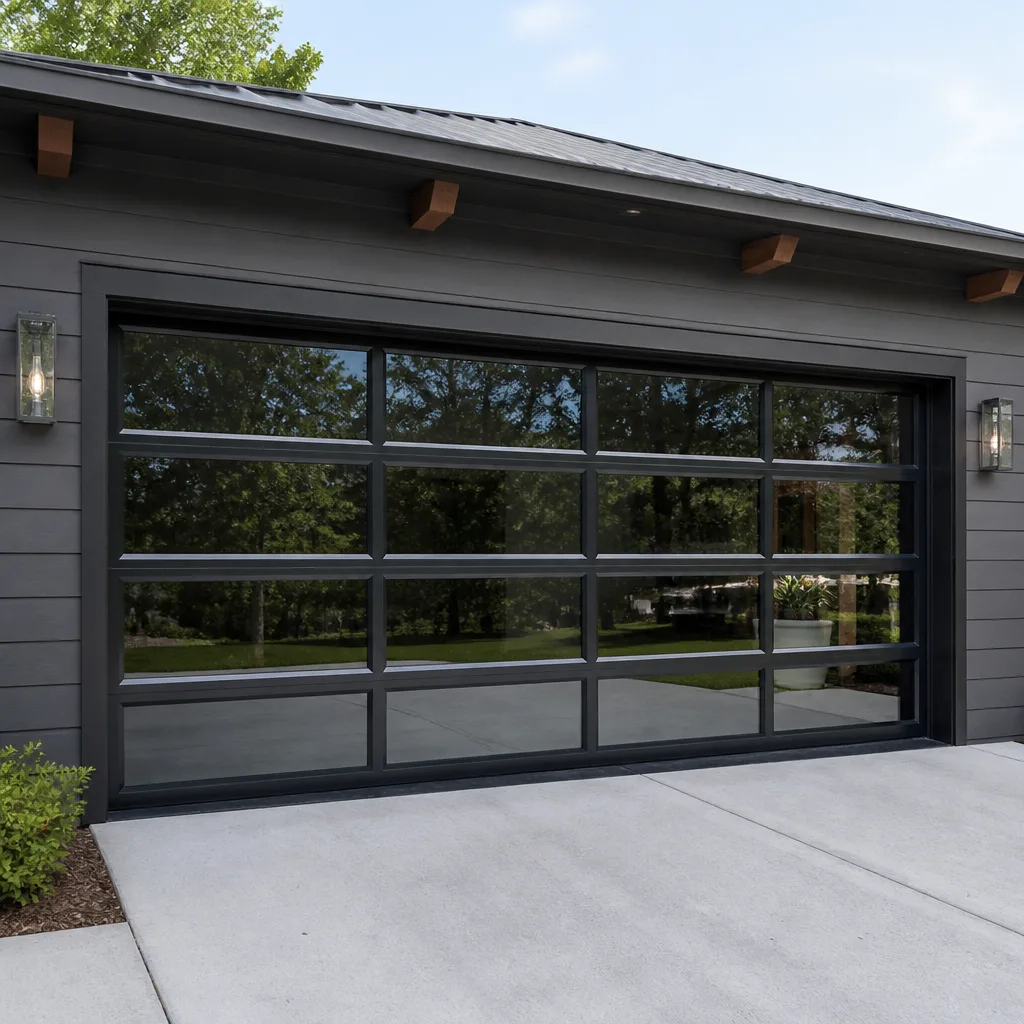 Full-view glass
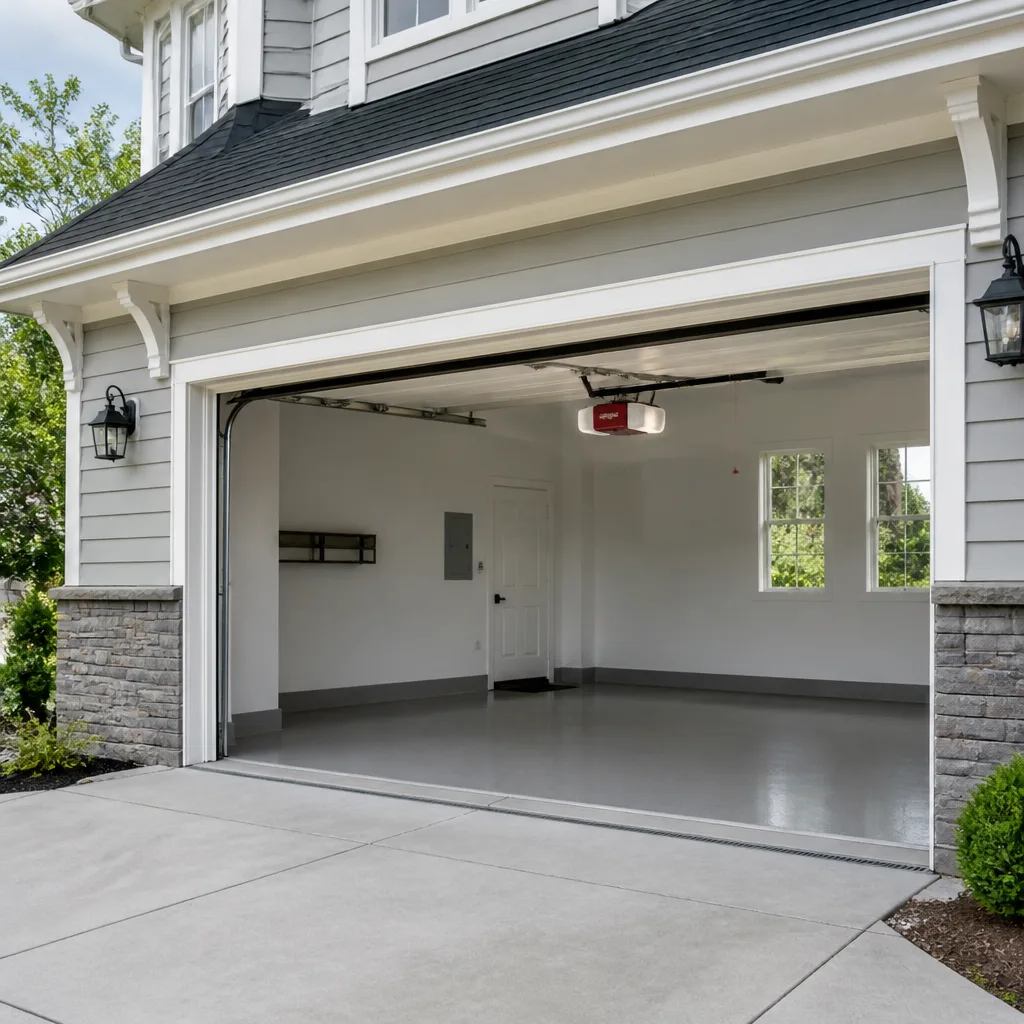 LiftMaster openers
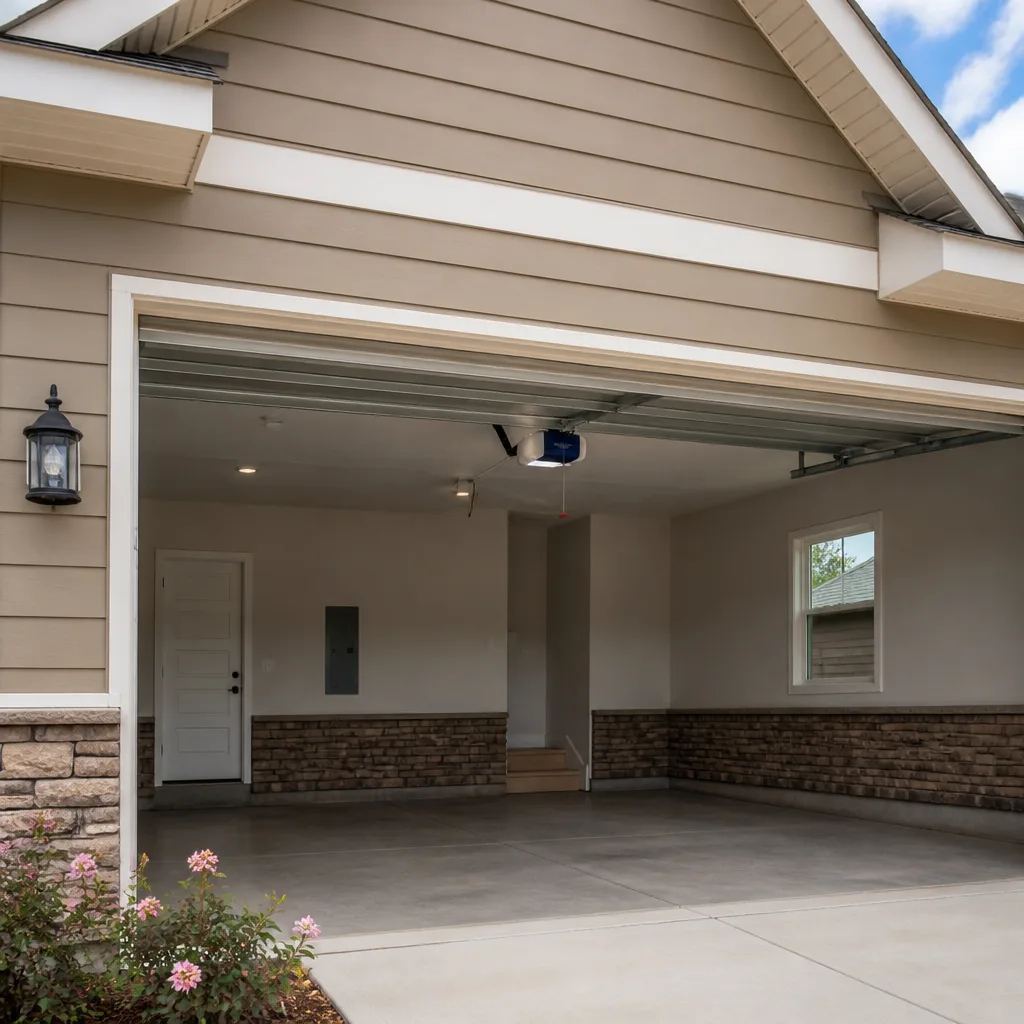 Chamberlain openers
Full 25-point door and opener safety check with every visit - springs, cables, rollers, tracks, and your LiftMaster or Chamberlain opener included
You get a price before we start. It does not change when the pro arrives.
Get your free estimateChoosing the Right Garage Door Brand: A Buyer’s Guide for Pungo
A premium brand name on a garage door means nothing if the nearest authorized warranty service center is 45 minutes away and won’t prioritize a rural callback. That’s the information no brand’s website will tell you. Buyers in Pungo tend to shop by reputation and brochure photography, then discover months later that the finish is blistering off a coastal-facing door and the part they need is a factory order with no local stock behind it. This guide walks through what actually separates the major garage door brands in the Virginia Beach and Pungo market: warranty enforcement, parts availability, steel and finish options that hold up to humid, salty summers, and the opener considerations most buyers ignore until something fails. You’ll finish knowing how to evaluate a brand for Pungo conditions and the questions to ask any installer before you sign.
Quick Answer
The best garage door brand for a Pungo home is the one whose warranty a local dealer can actually enforce, whose parts are stocked in the Virginia Beach and Pungo area rather than factory-ordered, and whose finish is rated for humid, coastal conditions. For most homeowners, that means a mid-tier steel door from Amarr, Wayne Dalton, Raynor, or a comparable manufacturer, paired with an opener like LiftMaster or Chamberlain that has strong local parts support. Brand rank on a “best of” list matters far less than the installer relationship behind the door.
Styles & brands we work with
- Raised-panel steel
- Carriage house
- Modern flush
- Full-view glass
- LiftMaster openers
- Chamberlain openers
Table of Contents
- Evaluating a Garage Door Brand for Coastal Virginia Conditions
- Which Brands Publish Corrosion Warranty Terms, and Which Bury Exclusions
- Parts Availability by Brand in the Virginia Beach and Pungo Market
- Opener Brand Considerations Separate From Door Brand
- The Price-Tier Reality: What Moves Between Entry, Mid, and Premium
- Why the Installer Relationship Matters More Than Brand Rank
- Questions to Ask Before Choosing a Garage Door Brand in Pungo
- Common Mistakes to Avoid
Evaluating a Garage Door Brand for Coastal Virginia Conditions
The three specifications that separate a door that lasts in Pungo from one that doesn’t are the steel gauge, the finish system, and whether the manufacturer publishes corrosion warranty terms you can read before you buy. Most buyers compare color charts and window styles. The buyers who are still happy with the door five years from now compared gauge and finish.
- Steel gauge. Steel doors are typically sold in 24, 25, and 27-gauge skins. Lower numbers are thicker steel. A 24-gauge door resists dents better and holds a cleaner edge profile, but the thicker skin costs more. In a busy Pungo driveway with kids and bikes, the cost is usually worth it.
- Finish system. Finished steel doors ship with a baked-on coating. The difference between brands is often in the number of coating layers and whether the manufacturer specifies a corrosion warranty separately or subsumes it into a general finish warranty. Ask for the actual warranty document, not the sales sheet.
- Corrosion warranty language. Some brands state corrosion coverage in explicit terms and describe what voids it: exposure to lawn chemicals, sprinkler spray, and fertilizer, all common in Pungo’s yard-heavy residential lots. Others use language broad enough that a warranty claim has to be argued rather than approved.
- Insulation. A humid Virginia summer pushes garage interiors into uncomfortable heat, especially when the garage is a primary entry point. Insulated doors from Amarr, Raynor, and comparable manufacturers are available in mid-tier models, and the difference in comfort between insulated and uninsulated is noticeable.
Pungo’s climate is humid and warm, and every Pungo homeowner who parks a car in the garage has felt how much of that heat comes through an uninsulated steel skin. We work on the brand you already own, so we see the consequences of both good and poor finish choices across eight major brands. The pattern is consistent: doors with a clearly stated corrosion warranty and a heavier steel gauge hold up noticeably better.
Which Brands Publish Corrosion Warranty Terms, and Which Bury Exclusions
The single most useful test of a garage door brand is whether you can find, read, and understand its corrosion warranty before you write a check. Brands that publish clear terms tend to stand behind them. Brands that route you through a dealer to see the terms have more questions to answer.
Here’s how to run the test yourself, in about ten minutes:
- Search for the brand’s warranty PDF directly. Most major garage door manufacturers publish their warranty documents as downloadable PDFs on their own websites. If you can’t find one in two minutes, that’s a data point.
- Read the corrosion-specific section, not the summary. General finish warranties and corrosion warranties are different. Corrosion coverage is the one that matters in humid, salt-adjacent conditions, even though Pungo itself sits inland enough that salt air isn’t the primary concern.
- Look for the exclusion list. Almost every warranty excludes damage from lawn chemicals, fertilizer, and sprinkler systems – and those are everywhere in Pungo yards. The key question is whether the exclusion is a narrow carve-out or broad enough to cover most failures.
- Check who enforces the warranty. Some brands honor warranty claims through any authorized dealer. Others require the original installer. That difference determines whether you can get service after you move or after your installer stops carrying the line.
- Ask the installer to walk through the process with you. A dealer who has filed warranty claims knows the process. One who hasn’t, or who suggests you’d be better off just replacing the door, is telling you something about how enforceable the warranty really is.
In our experience, the brands with the cleanest published corrosion terms are the ones homeowners end up least frustrated with, and that has less to do with marketing than with clarity. Amarr and Raynor, for example, both publish reasonably detailed warranty documents, while several brands we service require a dealer call to see the fine print at all.
Parts Availability by Brand in the Virginia Beach and Pungo Market
Parts availability decides how long your garage stays down. A door with a failed torsion spring is a same-day repair if the spring matches a stocked size, and a multi-day wait if it doesn’t. That gap exists across the whole trade, and it plays out every week somewhere in Pungo.
Here’s how the major brands stack up for parts reachability in the Virginia Beach and Pungo market:
- Widely stocked (best case for emergencies). LiftMaster and Chamberlain garage door openers and their compatible parts are stocked by most local supply houses, so an opener failure or a broken gear is usually a same-day fix. Clopay, Amarr, and Wayne Dalton door panels and hardware are similarly well-distributed in this market.
- Reasonably reachable (usually a day or two). Raynor, Craftsman, and Genie components are carried by a narrower set of local suppliers, and a specific part may need to be pulled from a regional warehouse. This means a repair scheduled for one day could slip by a day, which is inconvenient but not disruptive.
- Factory-order territory (days added). Specialty panels, discontinued color runs, and certain opener logic boards often have to be factory-ordered, regardless of brand. Ask the installer upfront how long the specific part would take to arrive if it failed, not how long it usually takes in general.
What does this mean practically? For a homeowner who relies on their garage as a primary entry point, the “safe” brands aren’t necessarily the ones with the best brochures – they’re the ones whose common wear parts are sitting in a Virginia Beach warehouse. Every technician on every job we do is a garage door specialist, so we’ve learned to pre-check parts availability before committing to a repair timeline.
Opener Brand Considerations Separate From Door Brand
Most buyers conflate “door brand” and “opener brand” into one choice. They’re separate decisions, and getting the opener wrong is a much more common source of regret than getting the door wrong.
Compatibility
Not every opener pairs cleanly with every door. Belt-drive and chain-drive openers have different lifting profiles, and a premium heavy door can shorten the life of a lighter-duty opener. When you’re choosing, confirm with the installer that the opener’s lift rating comfortably exceeds the door’s weight rating, including the weight of glass or decorative panels. If your existing opener and door are mismatched, a garage door opener repair visit is often the right place to sort that out before you replace the door.
Smart-Home Integration Longevity
Opener apps and smart-home integrations improve and age out at different speeds. Lifting the wrong bet in 2026 means the app stops receiving updates while the door itself is perfectly fine. Look for an opener brand with a track record of continuing to support older model years with firmware and app updates. LiftMaster and Chamberlain are the strongest on this front in the current market, which is why we service a lot of both.
Parts Support Strength
Openers fail more often than doors do, so their parts matter more. LiftMaster and Chamberlain have the deepest local parts network in the Virginia Beach and Pungo market. Genie and Craftsman are close behind. Less-common opener brands are fine until they need a logic board, at which point the wait can stretch.
Noise and Drive Type
Belt-drive openers are noticeably quieter and often the better choice for a home with a bedroom over the garage, which is common in Pungo’s ranch and two-story layouts. Chain-drive is louder and cheaper. Screw-drive sits in the middle.
The Price-Tier Reality: What Moves Between Entry, Mid, and Premium
Most of what separates garage door price tiers falls into two buckets: structural improvements that matter and cosmetic upgrades that don’t. Buyers who understand the difference tend to get more value from a mid-tier door than from a premium door with the wrong options.
What moves between tiers
- Steel gauge. Entry doors are often 27-gauge, mid-tier steps up to 25-gauge, and premium doors go to 24-gauge. This is a real durability improvement.
- Insulation. Entry doors are usually uninsulated or come with a thin sheet. Mid-tier adds proper panel insulation. Premium adds a fully insulated core with a higher ratings profile.
- Hardware and hinges. Premium doors ship with heavier hinges, rollers, and torsion hardware. These are the parts that most commonly fail, so better hardware delays repair calls.
- Torsion versus extension springs. Torsion springs are standard on most mid-tier and premium doors. They last longer and lift more smoothly. Entry doors sometimes come with extension springs, which are cheaper and shorter-lived.
What doesn’t move (or shouldn’t)
- Window inserts. Acrylic versus polycarbonate inserts is a cosmetic and cost choice. Neither affects durability of the door itself much.
- Color finishes beyond the standard palette. Custom colors can add cost without improving warranty terms.
- Carriage-house overlay styling. Overlays and decorative hardware are pure appearance upgrades. They don’t change how the door lifts, seals, or wears.
Where the money is well spent in Pungo is on heavier steel, better insulation, and torsion hardware. Where it’s cosmetic is on windows, colors, and overlays. Comparing full-price garage door installation options is much easier once you separate those, because the door’s function and the door’s look aren’t priced or warranted the same way.
Why the Installer Relationship Matters More Than Brand Rank
A door installed poorly will fail no matter whose name is stamped on the panel. That’s the truth no brand website will print. Most warranty claims we see fail in Pungo do so for one of three reasons: the door was installed without the manufacturer’s specified reinforcement, the torsion spring was wound to the wrong tension (or the wrong size entirely), or the door was installed with aftermarket hardware that the manufacturer’s warranty doesn’t cover.
So while it’s tempting to sort brands by every “best of” list you find, the more useful question is how well your installer knows and services the brands they recommend. Here’s how to ask:
- “Which brands can you service under warranty?” A focused installer should be able to name their brands confidently and explain the warranty process they use.
- “Have you filed a warranty claim on this brand before?” If the answer is no, ask how they’d handle one. If the answer is yes, ask how it went.
- “What happens if the manufacturer discontinues this door line?” Panel availability matters years later, not just now.
- “Do you install to the manufacturer’s specification, or do you adapt?” Adapting is sometimes necessary, but a shortcut that voids the warranty isn’t worth the savings.
- “Who do you call if a part fails?” If the installer has a direct line to a local distributor, the door stays working. If they call the manufacturer hotline, expect delays.
Single-trade focus matters here. Every technician on every job we dispatch is a garage door specialist, not a generalist pulled from a multi-service call center. That’s not a sales line – it’s the difference between an installer who knows how each brand’s warranty actually gets enforced and one who has to look it up.
Questions to Ask Before Choosing a Garage Door Brand in Pungo
Bring these to any installer conversation. The answers will separate the brands that are locally supportable from the ones that aren’t, better than any brand-comparison chart:
- What is the steel gauge on this door, and can I step up to a heavier gauge?
- Can you show me the actual corrosion warranty document for this brand?
- If a panel fails in three years, is the replacement part available in Virginia Beach or does it require a factory order?
- Is this opener’s lift rating comfortably above the door’s weight rating?
- Does this opener’s app still support older model years?
- Have you installed this door line before, and how many times?
- If a warranty claim is needed, how do you file it and how long does it take?
- What’s the specific price for the door, the opener, and the install labor – itemized?
Itemized quotes matter more than total price. A branded door with an unclear hardware spec isn’t a better buy than a mid-tier door with everything documented. When we quote a job, we quote it written and before any work starts, and the written estimate sets the final price. No surprises when the door is up.
Common Mistakes to Avoid
- Buying brand-name marketing over local serviceability. A household-name door brand with no local warranty-enforcing dealer is functionally worse than a mid-tier brand with a strong Virginia Beach service network. Ask about service reachability before you compare brochures.
- Skipping the corrosion warranty read. The warranty document is written by lawyers, and the exclusions are the important part. A finish warranty that lists lawn chemicals and sprinkler exposure as voids is nearly useless in Pungo’s yard-heavy neighborhoods.
- Choosing an opener and a door independently. Openers and doors need to be matched on lift rating, weight, and drive type. Asking for one without the other leaves the door under-lifted or over-driven.
- Paying premium prices for cosmetic upgrades. Window inserts, custom colors, and carriage-house overlays all cost money without improving durability. If the budget is finite, put the extra dollars into gauge and insulation.
- Assuming a “best brand” list is a durability statement. Most brand rankings are assembled by marketing teams using criteria that don’t reflect Pungo conditions. What matters is whether the door holds up over the next ten years, and that’s determined by gauge and finish, not by list position.
- Hiring a multi-trade general contractor for a garage door. Garage doors are a specialty. A generalist who installs a door for the first time is following the same instruction sheet you could read yourself, without the safety experience of someone who has done it hundreds of times.
- Overlooking the opener’s smart-home support horizon. Apps and integrations age quickly. Choosing a brand whose app support has a strong decade-plus record is worth more than choosing whichever app got the flashiest update this year.
When to Call a Professional
Some garage door work belongs in the hands of a trained technician, and brand selection is only half the equation. Call us when a torsion spring breaks or the door won’t lift cleanly – springs are the most dangerous part of any garage door system, and spring repair belongs to specialty tools and proper protocols, not a homeowner’s first attempt. Call us when the opener cycles but the door doesn’t move, when the door binds at the halfway point, or when it hangs off the track and could come down. Call us when a panel is visibly cracked or the door isn’t closing flush against the seal. Call us when your existing door is beyond practical repair and a new door comparison makes more sense than another repair. And call us when your garage is a security concern because the door isn’t closing.
Garage Door Repair Pungo offers free estimates in Pungo – call (855) 683-7570. We answer 24/7. Fast dispatch from 7am to 7pm, Sunday through Friday. Same-day service is often possible for repair calls, and we’ll tell you honestly whether a repair is the right call or a full replacement is.
The other scenarios where a specialist visit is worth it: after a storm has dropped a limb across the door’s face, after a car has nudged the bottom panel and the door no longer sits level, and after a Pungo homeowner has moved in and inherited an opener with no documentation. Each of those is a quick diagnostic against a longer repair list.
Frequently Asked Questions
For most Pungo homes, a mid-tier steel door from Amarr, Wayne Dalton, Raynor, or a comparable manufacturer offers the best durability and warranty-enforceability combination. There’s no single best brand – it depends on who can actually service the door locally and which finish holds up in Virginia humidity. Comparing two or three brands with a local specialist is more useful than choosing the top name on a national list.
Yes, but not the way most buyers think. Pungo’s inland humidity is harder on steel doors than salt air, and the brands that publish clear corrosion warranty terms and specify multiple coating layers hold up best. Look for a door with a formal corrosion warranty rather than a general finish warranty, and check the exclusions for lawn chemical and sprinkler exposure.
Mostly yes. LiftMaster, Chamberlain, Clopay, Amarr, and Wayne Dalton parts are well-distributed in the Virginia Beach and Pungo market, so most common repairs are same-day. Raynor, Craftsman, and Genie components are narrower, and specialty panels or discontinued color runs may require a factory order that adds a few days. Ask your installer upfront about the specific part availability for your door.
No, they’re separate decisions, but they need to be compatible. Door brand determines how the door wears and what its warranty covers. Opener brand determines lift capacity, parts support, and smart-home integration longevity. LiftMaster and Chamberlain have the deepest local parts network for openers in this market, while doors can be any of the major brands we service. If your existing opener and door are mismatched, that’s a good reason to call us for a diagnostic visit before you spend money on a replacement.
Entry-tier steel doors typically run lower than mid-tier, and mid-tier runs lower than premium, but the exact ranges depend on the door’s gauge, insulation, and options. We give a written estimate before any work starts, and the written price is the final price. Call (855) 683-7570 for a free estimate – rough ranges by brand and gauge tier are usually confirmed on the first call.
Yes. We service eight major brands regardless of who installed the original door. Whether it’s a LiftMaster opener, an Amarr door panel, or a Wayne Dalton torsion system, we can diagnose, quote, and typically repair the same day when the part is locally stocked. If a repair isn’t the right call, the estimate will include that comparison too.
Choosing based on national brand ranking without checking whether a local dealer can actually enforce the warranty. A premium brand with no local service reachability is worse than a mid-tier brand with a strong Virginia Beach service network. The single most useful question you can ask any installer is which brands they can service under warranty – and what happens when a claim needs to be filed.
Possibly on the day of install, but rarely over the life of the door. Lower-gauge steel dents more easily, uninsulated doors make garages uncomfortably hot in Virginia summers, and hardware on entry-tier doors fails faster. The savings on the door often come back as repair calls within five to seven years, and a mid-tier door with proper insulation and torsion springs usually ends up costing less per year of service.
See the difference
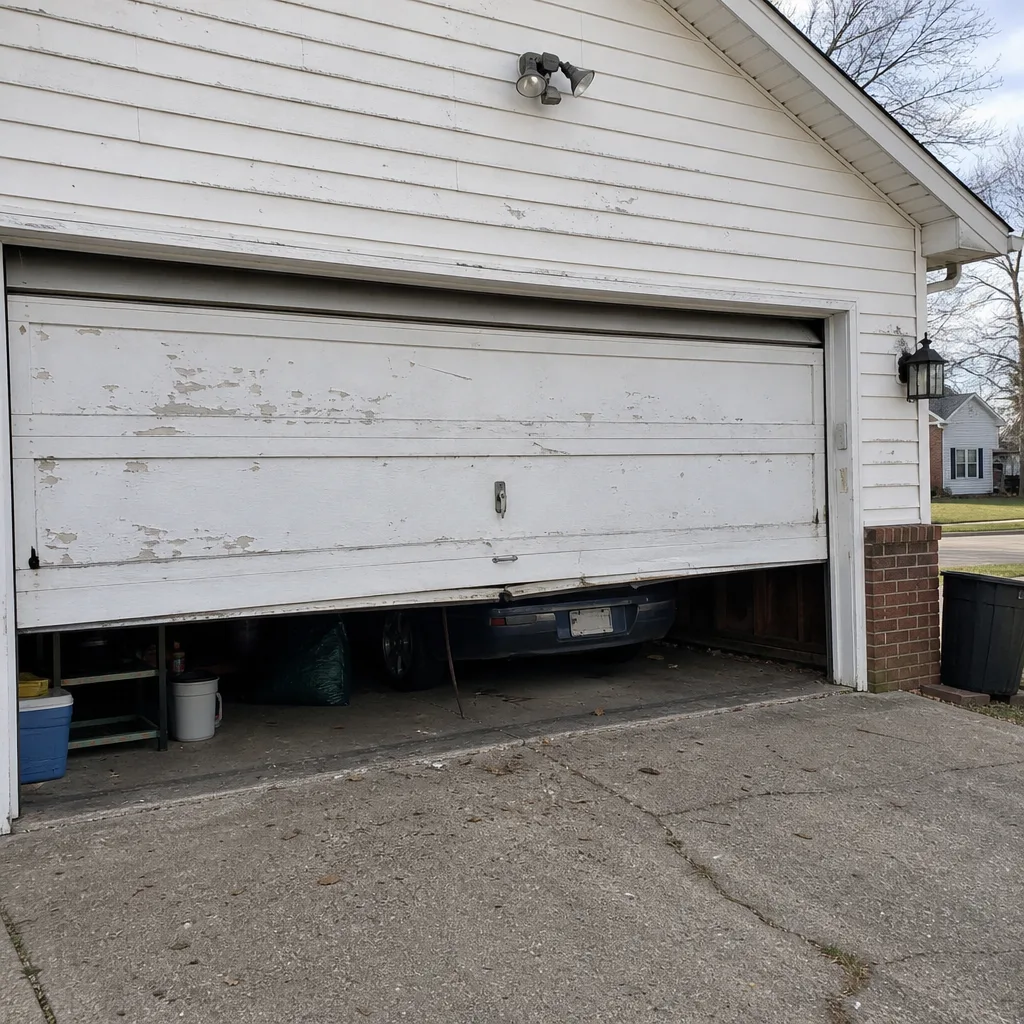 Before
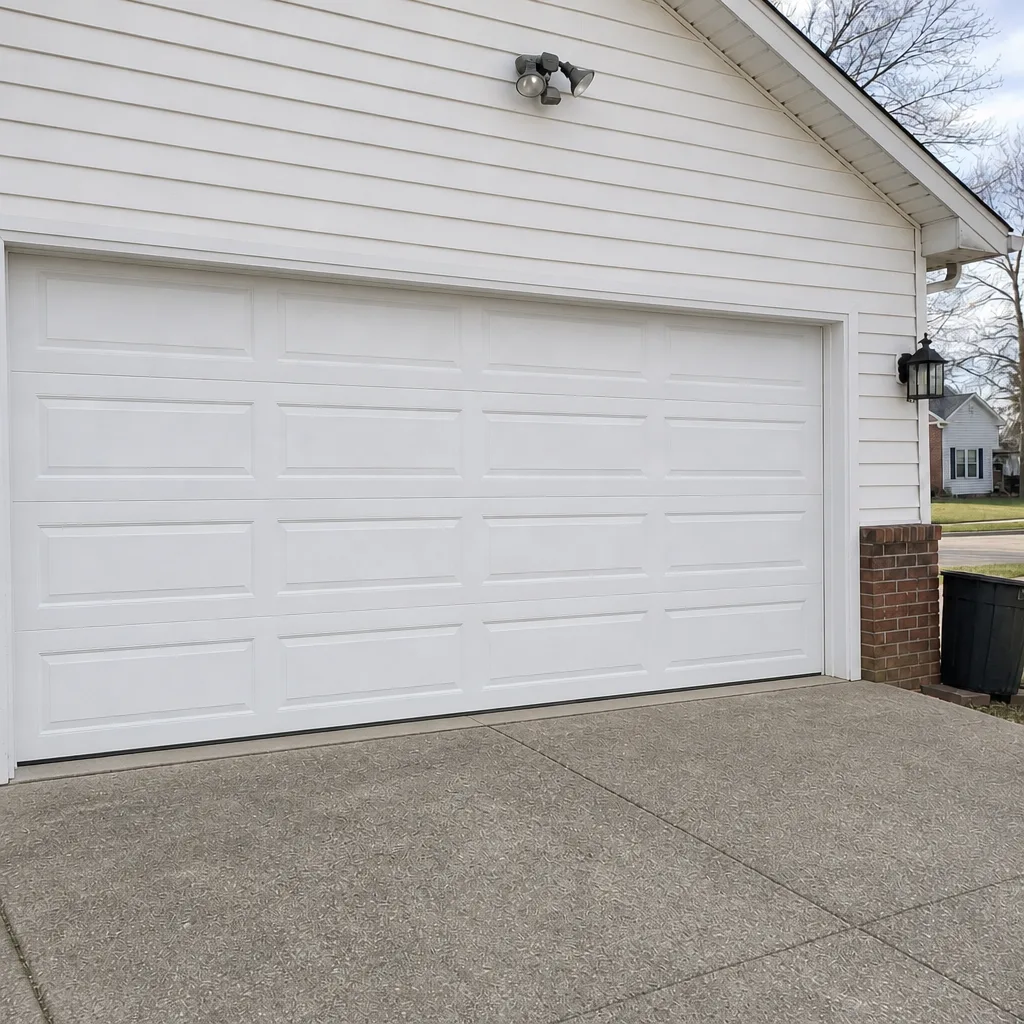 After
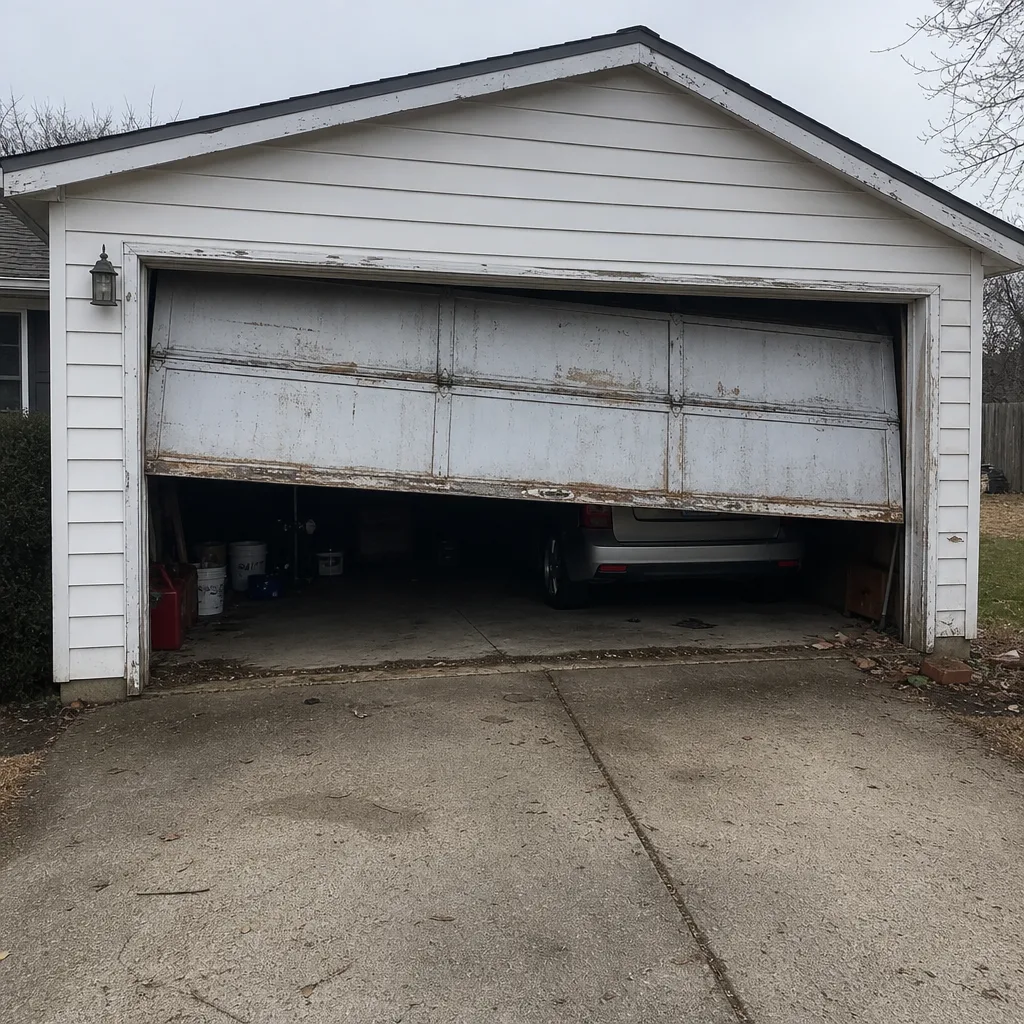 Before
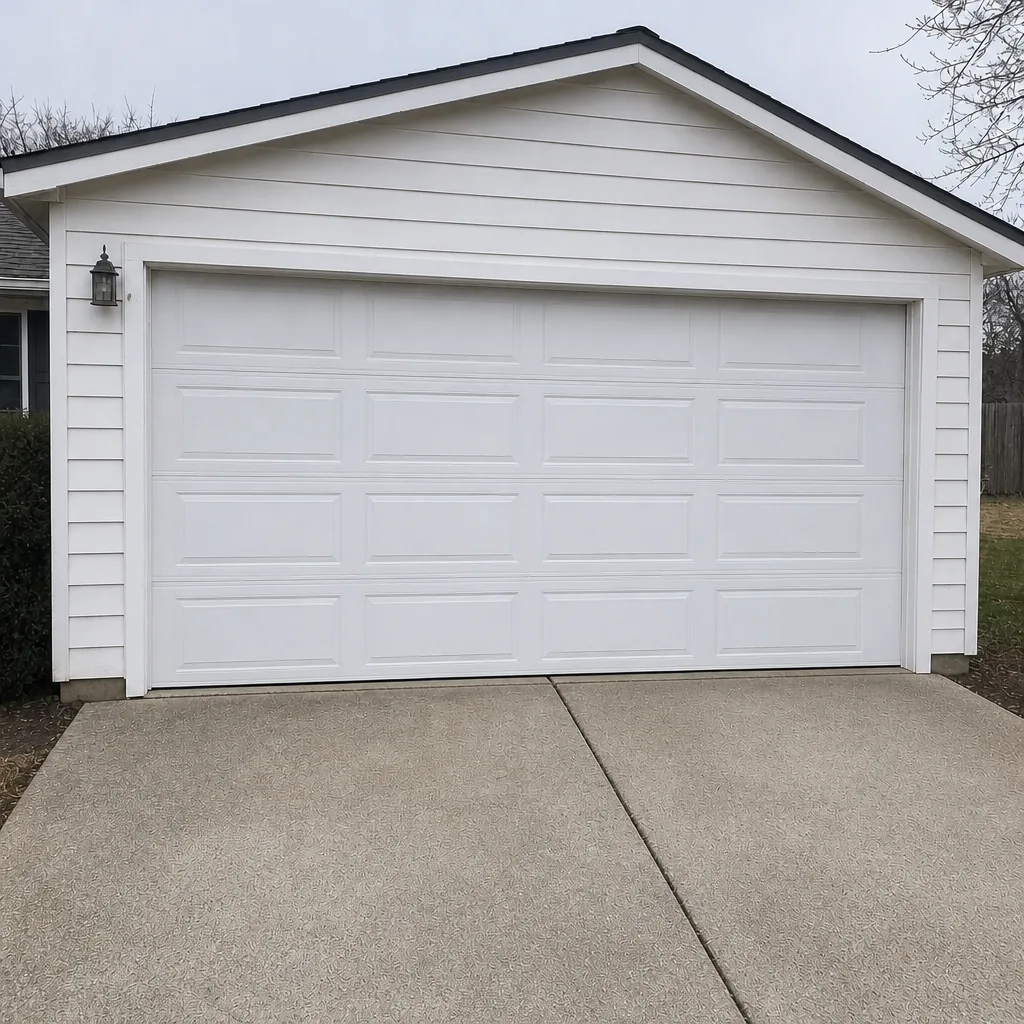 After
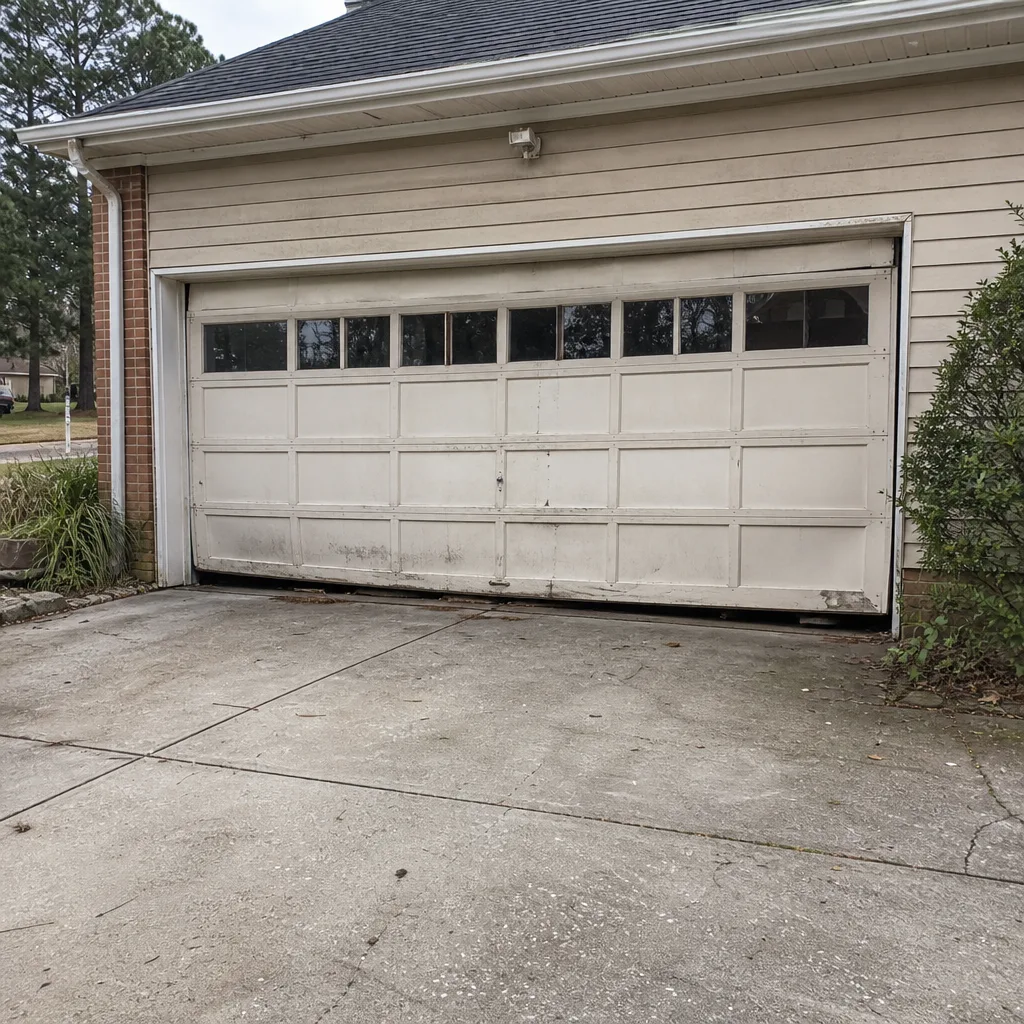 Before
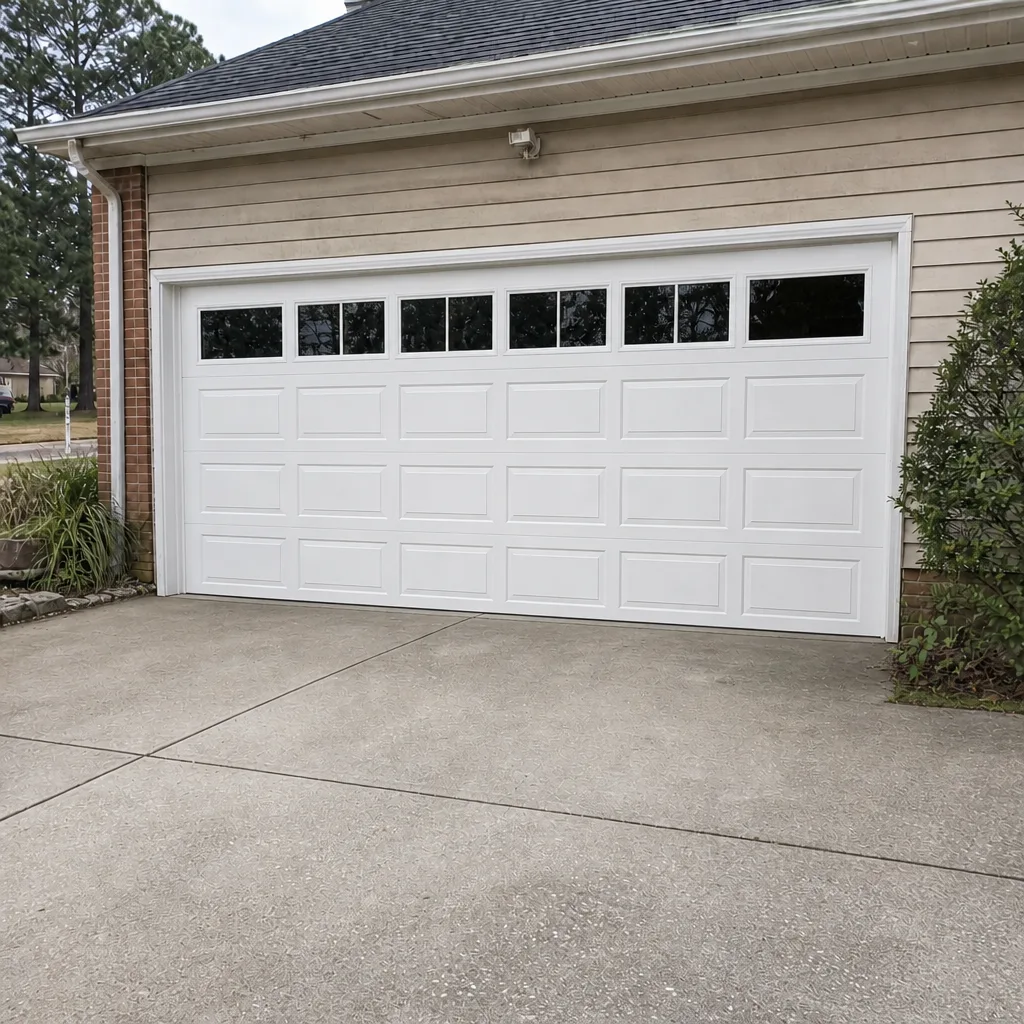 After
The Bottom Line
The best garage door brand for Pungo isn’t determined by which manufacturer spends the most on advertising or which one tops a “best of” list. It’s determined by three things: whether the finish holds up to Virginia humidity, whether the parts are stocked locally in the Virginia Beach area, and whether a local installer can actually enforce the warranty when something fails. Every one of those answers is available before you buy – ask for them. And separate the door decision from the opener decision, because pick your door brand and opener brand independently with an eye to local serviceability. If you want a team that already services all eight major brands in the Pungo area, call (855) 683-7570. We answer 24/7. Fast dispatch from 7am to 7pm, Sunday through Friday. Spring work and opener diagnostics can often be same-day, and garage door repair is what we do all day, every day.
How We Work: A Quick Overview of Garage Door Repair Pungo
Garage Door Repair Pungo is a focused single-trade specialist. We don’t install kitchen cabinets, replace siding, or run a general handyman dispatch. Every technician on every job is a garage door specialist, trained on the eight major brands you’re most likely to have on your home – LiftMaster, Chamberlain, Genie, Clopay, Amarr, Wayne Dalton, Craftsman, and Raynor. That breadth matters when a homeowner in Pungo doesn’t know what brand their door is. It also matters when a homeowner has a specific brand preference and wants to know whether we can honestly support it.
When you call us, here’s what happens: we listen to the problem, ask a few diagnostic questions over the phone, and set a visit. If a diagnostic visit is the right next step, we book it and come prepared to give a written estimate before any work starts. If the repair is straightforward and the parts are locally stocked, same-day service is often possible. If the door has failed in a way that leaves your home unsecured, we prioritize that call.
Emergency garage door service is a named offering here, and we take those calls seriously – a garage door that’s hanging off its track, stuck open, or won’t lift cleanly can leave a Pungo home exposed. We answer 24/7. Fast dispatch from 7am to 7pm, Sunday through Friday. A call outside dispatch hours is booked into the next opening. For more on how our core repair services work, see Garage Door Repair Pungo.
How Brand Choice Interacts With Repair Reality in Pungo
Here’s what every brand comparison guide should tell you but rarely does: the brand you choose decides how fast a repair happens next time something breaks. That’s not a marketing angle. That’s just how parts distribution works in a market the size of Virginia Beach. When a Pungo homeowner asks us to quote a repair on a discontinued brand, the biggest variable in the price is usually how many days the parts take to arrive, and whether we can source them from a Virginia Beach distributor or have to factory-order them.
The takeaway: brand selection is really a serviceability bet, made years before you actually need to cash it in. Our technicians have up to 8 years of experience working across every brand on this list, and the pattern we see is consistent – doors whose brands maintain real local distribution channels come back to a working state in hours; doors whose brands don’t, come back in days.
Your Next Step if You’re Starting From Scratch
If you’re starting a garage door brand comparison cold – new home, unbranded existing door, no documentation – start with the opener rather than the door. The opener is on the wall, usually labeled, and is a faster brand identification than trying to read a door panel. Once you know your opener brand, an opener repair specialist can usually tell you which door brands pair well with it. From there, comparing gauge and finish options across two or three door brands is a few phone calls, not a research project. Call (855) 683-7570 when you’re ready for those calls and we’ll walk through them with you.
Written by the team at Garage Door Repair Pungo.